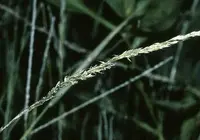
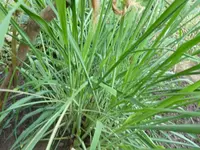
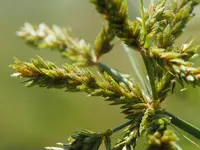
Support heavy seedheads
In late spring, place low, discreet ring stakes or short twigs around clumps so the maturing spiky seedheads are held upright and do not flop or split the crown in wind or heavy rain.

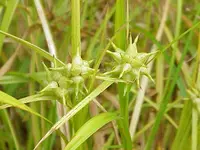
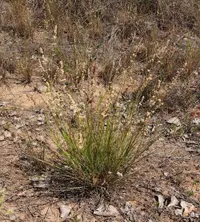
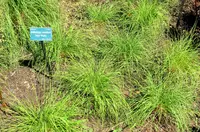
Gray's sedge (Carex grayi) is a clump-forming perennial sedge native to moist woodlands, stream banks, and floodplains in eastern North America. It naturally grows in partial shade and consistently damp soils.
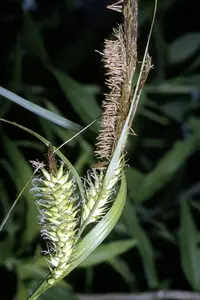
The plant forms upright, grass-like leaves and distinctive star-shaped seed heads that add structure and texture to garden plantings. It stays relatively compact and does not spread aggressively.
This sedge is valued for tolerance of wet or periodically flooded sites and its ability to handle some shade, which makes it adaptable in many landscapes. For those who want to care for Gray's sedge successfully, it helps to provide steady moisture and reasonably fertile, organic soil.

Care Difficulty
Easy Care

Light Preference
Partial Sun

Water Requirements
Keep Soil Moist

Temperature Preference
Cold Hardy

Hardiness Zone
4–9

Soil Texture
Loamy, Clay, Organic-rich

Soil pH
Acidic (5.5–6.5), Slightly acidic (6.5–7.0)

Soil Drainage
Waterlogged tolerant

Fertilization
Minimal (feed rarely)
Scan your plant to receive care tips personalized for your specific plant
Available on iOS and Android
This moisture-loving sedge prefers bright conditions with protection from intense afternoon sun.
This species naturally grows in wet meadows and stream edges, so it prefers consistently moist soil.
This hardy sedge tolerates a wide temperature range but grows best in moderate conditions.
This species prefers moderately moist air but usually adapts to typical outdoor humidity levels.
This sedge thrives in consistently moist, rich, and slightly heavy soils that do not dry out.
This species is suitable for containers, especially for water gardens, patios, or small spaces.
This native sedge needs only light feeding in average garden soil.
Pruning Carex grayi is simple and mainly about tidying older foliage.
Carex grayi is usually grown in the ground, so focus on dividing and transplanting clumps rather than frequent repotting.
Propagation of Carex grayi is most reliable by division, with seeds as a secondary method.
This sedge is cold hardy in much of the US and usually needs minimal winter care outdoors.

Plant Health Check
Not sure what's wrong with your plant? Check your plant's health inside the app.
This species produces distinctive spherical seed heads with long, stiff spikes that give it the common name mace sedge or bur sedge, and these structures persist through winter, adding texture to wetland edges.
It naturally occurs in seasonally flooded bottomland forests, stream banks, and wet meadows in eastern North America, where it helps stabilize saturated soils and benefits from periodic inundation rather than constant deep water.
Its dense, tufted clumps and spiky fruits offer shelter and perching sites for small wildlife, while the seeds are eaten by some wetland birds, integrating the plant into local food webs in its native range.

Carex grayi is considered a useful indicator of intact, high-quality wetland and floodplain habitats in parts of its native range, so botanists sometimes use its presence to help assess the ecological condition of a site.
Browning tips usually result from drought stress, excess fertilizer salts, or exposure to hot, drying wind. Check soil moisture, flush accumulated salts with a thorough watering, and use a windbreak or mulch to reduce stress on the clump.
Keep your plants happy and healthy with plant identification, disease detection, and easy care guidance.