Edge Stabilization
Plant in staggered rows along slopes or streambanks and lightly top-dress with composted bark to create a dense root mat that helps control erosion and stabilize soil structure.

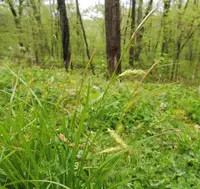
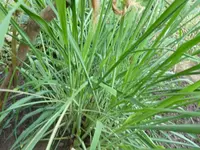
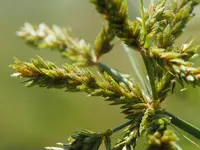
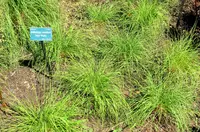
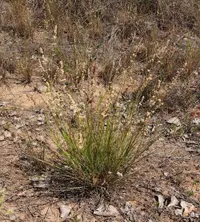
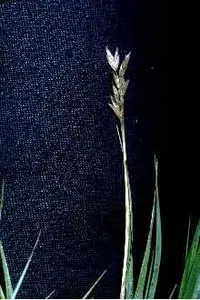
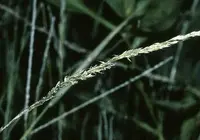
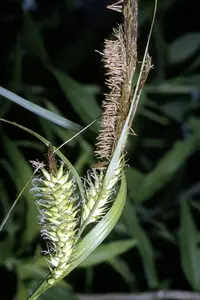
Cherokee sedge, Carex cherokeensis, is a clump-forming perennial sedge native to the southeastern United States. It typically grows in loose, arching tufts that give a soft, meadow-like look.
In nature it occurs in moist woodlands, stream banks, and low meadows, where soils stay evenly damp but not stagnant. Its fine texture, steady growth, and tolerance of partial shade make it an easy, low-maintenance option for many gardens.
Gardeners who want to care for Cherokee sedge should know it prefers consistent moisture, organic-rich soil, and protection from prolonged, harsh drought or deep shade.

Care Difficulty
Easy Care

Light Preference
Partial Shade

Water Requirements
Regular Water

Temperature Preference
Cold Hardy

Hardiness Zone
5–9

Soil Texture
Loamy, Clay, Organic-rich

Soil pH
Acidic (5.5–6.5), Slightly acidic (6.5–7.0)

Soil Drainage
Moist but well-drained

Fertilization
Minimal (feed rarely)
Scan your plant to receive care tips personalized for your specific plant
Available on iOS and Android
This native sedge prefers bright, gentle light and adapts well to partial shade in most gardens.
This species prefers consistently moist, not saturated, soil and is adapted to seasonally damp sites.
This cool-tolerant sedge thrives in temperate climates with moderate seasonal variation.
This sedge tolerates a wide humidity range and usually does not need special humidity management outdoors.
Carex cherokeensis prefers consistently moist, well-aerated soil with high organic content.
This species is suitable for container growing when moisture and space for its spreading clumps are managed carefully.
This native sedge has low fertility needs but responds to light feeding on poor soils.
Carex cherokeensis benefits from light, periodic pruning to keep the clump clean and dense.
This sedge is more often transplanted in garden beds than repotted in containers.
Division is the most reliable way to increase Carex cherokeensis for landscape planting.
This hardy sedge tolerates typical winters in much of the US with minimal special care.

Plant Health Check
Not sure what's wrong with your plant? Check your plant's health inside the app.
This sedge is naturally found along moist woodland streams and in seasonally wet bottomlands in the southeastern US, where it helps stabilize soil and slow surface water flow.
Unlike many ornamental grasses, it can persist in sites that flood for short periods, then drain, making it valuable for rain gardens and low-lying landscape areas.
Its dense clumps provide cover for small ground-dwelling animals, and its seeds contribute to the diet of several woodland bird species that forage in the leaf litter.
This species spreads by short rhizomes and self-seeding but is usually moderate, not invasive, in typical garden settings. Clump size slowly enlarges over several years. Edging, dividing every few years, and removing unwanted seedlings keep it contained.
Keep your plants happy and healthy with plant identification, disease detection, and easy care guidance.