Strategic Mass Planting
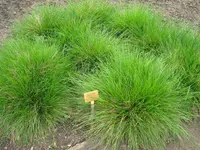
Plant in drifts of 5–9 or more plants spaced 30–45 cm apart so the foliage knits together, suppresses weeds, and forms a stable, wind-resistant matrix.

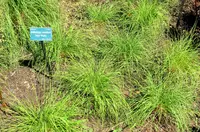
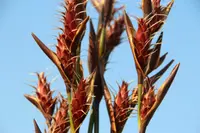
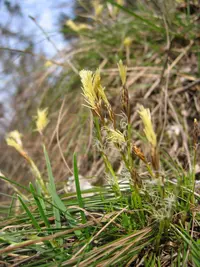
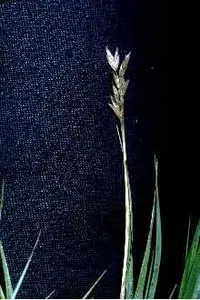
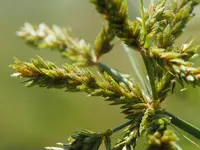
Seep muhly (Muhlenbergia reverchonii) is a small, clumping warm-season grass valued for its fine texture and airy flower heads. It typically forms low, soft mounds that turn pinkish to purplish when in bloom, creating a delicate, cloud-like effect in the landscape.
This species is native to the south-central United States, where it grows in rocky prairies, open glades, and well-drained slopes. It is generally considered easy to grow due to its drought tolerance, adaptability to poor soils, and low maintenance needs.
Gardeners who want to care for seep muhly should know it prefers full sun, good drainage, and moderate to low moisture once established.

Care Difficulty
Easy Care

Light Preference
Full Sun

Water Requirements
Low Water

Temperature Preference
Cold Hardy

Hardiness Zone
5–9

Soil Texture
Sandy, Loamy, Rocky

Soil pH
Slightly acidic (6.5–7.0), Neutral (7.0)

Soil Drainage
Well-drained

Fertilization
Minimal (feed rarely)
Scan your plant to receive care tips personalized for your specific plant
Available on iOS and Android
This warm-season grass thrives in open, bright sites with long daily sun exposure.
This drought-tolerant grass prefers infrequent, deep watering once established.
This species handles a wide temperature range but performs best in moderate warmth.
This species handles a wide humidity range and usually does not need special humidity management outdoors.
This warm-season grass prefers lean, fast-draining soil that does not stay wet after rain or irrigation.
This grass can be grown in containers if the pot allows fast drainage and sufficient root space.
This drought-tolerant native grass needs only light feeding, and many seep muhly plants perform well with minimal fertilizer in average garden soil.
Pruning Muhlenbergia reverchonii is simple and mainly keeps the clump tidy and encourages fresh growth.
This grass is usually grown in the ground, so focus on thoughtful transplanting rather than frequent repotting.
Muhlenbergia reverchonii is most often propagated by seed or clump division in suitable outdoor conditions.
Established plants are quite cold hardy and usually require little special winter care in the ground.

Plant Health Check
Not sure what's wrong with your plant? Check your plant's health inside the app.
This grass develops airy, pink to rose-purple flower panicles in late summer to fall that can create a soft haze of color, especially when planted in masses and backlit by low sun.
It is native to limestone and rocky prairies of Texas, Oklahoma, Arkansas, and nearby regions, where it naturally grows in well-drained, often shallow soils and open, sunny sites.
Once established, this species shows strong drought tolerance, maintaining its fine-textured clumps and flowering reliably in low-water landscapes and unirrigated plantings.
This species forms tidy clumps and spreads slowly by short rhizomes and self-seeding. It does not usually become aggressive. Occasional removal of unwanted seedlings keeps it in defined masses, even in low-maintenance prairie or meadow plantings.
Keep your plants happy and healthy with plant identification, disease detection, and easy care guidance.