Encourage Dense Mats
Lightly rake or comb the foliage in early spring to pull out dead stems and stimulate new tiller growth, which helps create a thicker, more even groundcover when growing nimblewill.

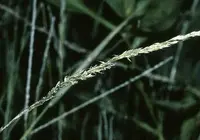
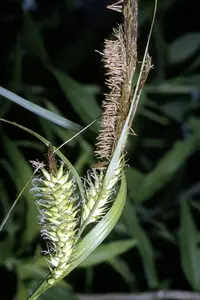
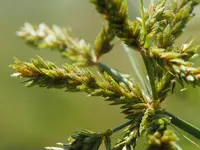
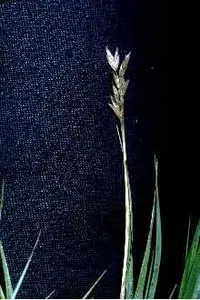
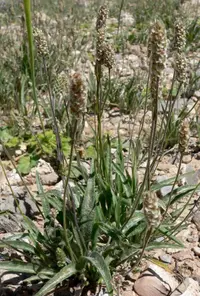
Nimblewill (Muhlenbergia schreberi) is a fine-textured, warm-season perennial grass that forms loose, low clumps and soft, wiry foliage. It often appears as a spreading patch among other lawn grasses. Native to eastern and central North America, it grows in open woods, shaded slopes, and disturbed sites. This adaptability means it can persist in less-than-ideal lawn conditions. The plant is fairly tough once established but may look thin or patchy in heavy competition or very dry spots. Those who want to care for nimblewill should note that it prefers moderate light, consistent but not soggy moisture, and well-drained soil.

Care Difficulty
Easy Care

Light Preference
Partial Sun

Water Requirements
Moderate Water

Temperature Preference
Cold Hardy

Hardiness Zone
4–8

Soil Texture
Loamy, Silty, Clay

Soil pH
Acidic (5.5–6.5), Slightly acidic (6.5–7.0)

Soil Drainage
Moist but well-drained

Fertilization
Minimal (feed rarely)
Scan your plant to receive care tips personalized for your specific plant
Available on iOS and Android
Muhlenbergia schreberi grows best with moderate sun exposure suited to cool-season lawn and groundcover conditions.
This grass prefers evenly moist but not saturated soil, especially during establishment.
This species is a hardy perennial grass adapted to temperate outdoor conditions.
This grass species is flexible about air moisture, so humidity rarely limits healthy growth outdoors.
This species prefers moderately fertile, loose mineral soil with reliable drainage.
This species can be grown in containers but performs best in larger, stable outdoor pots.
This native grass usually needs minimal feeding, especially in average to fertile soils, but light fertilization can support dense cover when caring for nimblewill.
Pruning Muhlenbergia schreberi is simple and mainly focuses on seasonal cleanup and maintaining stand density.
This grass is usually grown in the ground, so transplanting established clumps is more relevant than container repotting.
Propagation of Muhlenbergia schreberi is commonly done by seed and by division of established clumps.
This cool-season native grass is cold hardy across much of its range and usually needs little special winter care.

Plant Health Check
Not sure what's wrong with your plant? Check your plant's health inside the app.
This species is a warm-season perennial grass native to eastern North America, where it often forms loose colonies in open woods, woodland edges, and shaded slopes rather than in full-sun prairies like many other warm-season grasses.
Unlike most C4 warm-season grasses that require high light, it tolerates moderate shade and can persist under tree canopies, giving it an advantage in disturbed forest understories.
Its delicate, widely branched panicles bear many small, light seeds that are easily shaken loose, allowing the plant to spread locally and provide food for small granivorous animals in late summer and fall.

Genetic and ecological studies have documented that this grass can shift from native understory constituent to invasive behavior in some regions where forest canopies are opened by human disturbance, allowing it to dominate ground layers and alter natural plant community composition.
This grass spreads slowly to moderately by seed and short, creeping stems. It forms loose patches instead of dense sod. It can fill thin lawn areas over time but is usually manageable with regular mowing and edging.
Keep your plants happy and healthy with plant identification, disease detection, and easy care guidance.