sideoats grama Care (Bouteloua curtipendula)

Also known as: Side Oats
sideoats grama

About sideoats grama

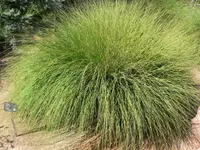
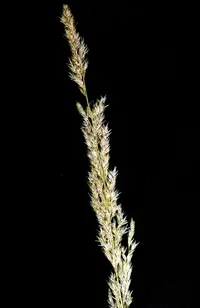
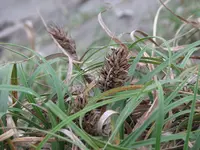
Sideoats grama (Bouteloua curtipendula) is a warm-season perennial grass native to prairies, open woodlands, and rocky slopes across much of North America. It forms upright clumps with distinctive oat-like seed spikes that hang to one side of the stem.

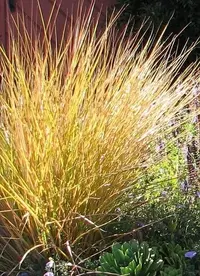
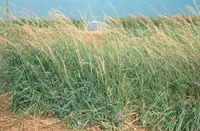
Plants stay relatively compact and develop a fine to medium texture, turning attractive tan or reddish tones in fall and winter. This species is adapted to poor, dry soils and is highly tolerant of heat, sun, and drought.

These traits make it reliable for low-input gardens, meadows, and erosion control projects. Those conditions also explain why it is generally easy to care for sideoats grama in typical outdoor landscapes.

Main Plant Requirements

Care Difficulty

Easy Care

Light Preference

Full Sun

Water Requirements

Low Water

Temperature Preference

Cold Hardy

Hardiness Zone

3–10

Soil Texture

Sandy, Loamy, Rocky

Soil pH

Slightly acidic (6.5–7.0), Slightly alkaline (7.0–7.5)

Soil Drainage

Well-drained

Fertilization

Minimal (feed rarely)

Get Personalized Care Plan

Scan your plant to receive care tips personalized for your specific plant

Available on iOS and Android

How to Care for the sideoats grama

This warm-season prairie grass needs plenty of direct light to stay upright and flower well.

  • Provide 6–8 hours of full sun daily; open, unobstructed exposure is ideal for sideoats grama in most temperate climates.
  • Grass tolerates light partial shade (3–4 hours sun) but may grow thinner, lean more, and produce fewer flowering spikes.
  • In hot southern areas, strong afternoon sun is fine if soil is not extremely dry; too much shade leads to floppy, pale growth and reduced vigor.

This drought-tolerant bunchgrass prefers infrequent, deeper watering over light, frequent applications.

  • In the ground, water only when the top 5–8 cm of soil are dry and blades begin to curl slightly or lose some springiness.
  • Use sharply draining soil; after watering, puddles should disappear within 1 hour to reduce risk of rot in Bouteloua curtipendula roots.
  • During the first growing season, water more often in hot, dry weather, then reduce once established; yellowing, limp foliage in damp soil suggests overwatering.

This hardy warm-season grass tolerates wide temperature swings once established.

  • Active growth is strongest around 70–90°F (21–32°C); cooler spring temperatures slow new shoots but do not harm the plant.
  • Established clumps typically survive down to about -20°F (-29°C) under mulch or snow cover, entering full dormancy in late fall.
  • Heat tolerance is high up to about 100°F (38°C) if soil is not bone-dry; prolonged cold, wet conditions in mild climates can stress crowns and reduce vigor.

Humidity is not a significant factor for Bouteloua curtipendula, which is adapted to arid conditions.

This species prefers lean, mineral, well-drained soils that mimic dry prairie conditions.

  • Use a sandy or gravelly loam with low to moderate organic matter to prevent excess moisture retention.
  • Aim for a slightly acidic to neutral pH around 6.0–7.5, which suits most sideoats grama plantings.
  • Blend 50–70% coarse sand or fine gravel with 30–50% loam and a small amount of compost for structure.
  • Avoid heavy clay, compacted, or waterlogged sites; improve drainage by raising the planting area or incorporating grit.

Bouteloua curtipendula can grow in containers if the potting setup mimics dry, free-draining prairie soil.

  • Choose a deep, heavy container so the root system can anchor the tall, arching stems without tipping in wind.
  • Fill the pot with a gritty mix, such as cactus soil blended with extra coarse sand or small gravel, to reduce moisture retention.
  • Elevate the container on pot feet or blocks outdoors so drainage holes stay clear and runoff does not reabsorb into the root zone.

This drought-tolerant native grass usually needs minimal feeding in average garden soil.

  • Use a light topdressing of compost in early spring if growth appears weak or soil is poor, which supports healthy sideoats grama stands.
  • Where added nutrients are needed, apply a balanced slow-release NPK fertilizer at 1/2 strength once in spring.
  • Avoid summer overfeeding, which can cause floppy growth and reduce drought tolerance.
  • Do not fertilize in late fall or winter, when the plant is dormant and not actively using nutrients.

Pruning Bouteloua curtipendula is simple and mainly supports a tidy appearance and vigorous new growth.

  • Cut back old foliage and seed stalks in late winter or very early spring before new shoots emerge.
  • Remove dead, winter-damaged, or lodging (flattened) stems with clean hand pruners or sharp shears.
  • Thin out dense clumps by taking a few older stems at the base to maintain an upright, airy shape.
  • Leave some seed heads over winter if wildlife value or naturalistic appearance is desired, then trim in spring.

This warm-season prairie grass is more often transplanted in the ground than repotted in containers.

  • Transplant in early to mid-spring or early fall, when temperatures are mild and soil is workable.
  • Look for signs such as crowded clumps, patchy centers, or slow vigor to decide when to lift and divide.
  • Dig a wide root ball, replant at the same depth in well-drained soil, and firm gently to remove air pockets.
  • Water deeply after transplanting and keep soil lightly moist for 1–2 weeks to limit root stress and aid establishment.

Bouteloua curtipendula is commonly propagated by seed and by division of established clumps.

  • Sow seeds in late fall outdoors for natural cold stratification or in early spring with a light soil cover.
  • Provide full sun, well-drained soil, and consistent light moisture until seedlings establish, then reduce watering.
  • Divide mature clumps in early spring, lifting plants carefully and separating sections with several shoots and roots.
  • Replant divisions promptly at original soil depth, water in well, and avoid heavy disturbance until new growth resumes.

This species is cold hardy in much of North America and typically needs little special winter care.

  • Tolerates frost and snow once established, with foliage turning tan and remaining ornamental through winter.
  • In colder regions, a thin mulch layer around the base can limit soil heaving but avoid burying the crown.
  • Container plants in very cold climates can be moved to a sheltered, unheated area to prevent root freeze-thaw damage.

Care Tips

Managed clump expansion

Install a shallow root barrier or edging 10–15 cm deep if you want to keep clumps from spreading into paths or beds, and divide older clumps every 3–5 years to maintain vigor and a tidy outline.

Seed head management

If self-seeding is not desired, shear or hand-cut the flowering stems once the oat-like seeds begin to turn tan, collecting them for controlled reseeding or leaving a few selected stems for wildlife value.

Snow and ice protection

In regions with heavy, wet snow or ice, loosely tie larger clumps with soft twine in late fall to prevent lodging and breakage, then remove the ties in early spring before new growth elongates.

Targeted competition control

During establishment, hand-weed or spot-treat only the most aggressive broadleaf weeds close to the crown, avoiding blanket herbicide use so the grass can close canopy and outcompete weaker weeds naturally.

Erosion-friendly planting

On slopes, stagger plants in a zigzag pattern and use 2–3 plugs per square foot, allowing the fibrous root systems to interlock and stabilize soil as part of a strategy for growing sideoats grama in erosion-prone sites.

Common Pests and Diseases

Chinch bugs

These insects feed on the crowns and lower stems, causing scattered tan patches that can expand during hot, dry weather. Symptoms include grass that looks drought-stressed but does not recover with watering.

Solution

Confirm activity by parting the foliage at the edge of damaged areas and looking for small black-and-white insects on the soil surface. Reduce thatch, avoid excessive nitrogen, spot-treat infested patches with a labeled lawn insecticide or insecticidal soap according to directions, and encourage predators by limiting broad-spectrum chemicals in surrounding areas.

Grasshoppers

These insects chew blades and seed stems, leaving irregular notches, shredded foliage, and reduced seed production, especially along field edges. Damage is usually worse in hot, dry summers.

Solution

Monitor plants in late spring and summer and handpick where populations are low. In larger plantings, encourage natural predators and birds, mow or manage adjacent weedy areas that harbor nymphs, and use targeted baits or barrier treatments only if defoliation is heavy and persistent.

Leaf spot

This disease causes small, tan to dark-brown lesions on leaves that may merge into larger dead areas, especially in warm, humid periods. Symptoms include thinning foliage and premature leaf death on affected clumps.

Solution

Remove and discard heavily spotted foliage to reduce inoculum and improve air movement around plants by avoiding overcrowding and excessive overhead irrigation. Water early in the day so leaves dry quickly, and in serious cases use a labeled fungicide for ornamental grasses, rotating products to limit resistance.

Rust

This disease produces small orange to brown pustules on leaves and stems, which release powdery spores and can cause yellowing and early leaf drop under humid conditions. Symptoms include dusty discoloration on fingers or clothing after handling affected plants.

Solution

Prune and discard infected foliage and keep the planting area open and well-aerated to lower humidity around leaves. Water at soil level instead of overhead and, if outbreaks are severe or recurrent, apply a grass-safe fungicide according to label directions while continuing to remove the worst-affected clumps.

Smuts

This disease affects flower and seed structures, forming dark, powdery spore masses in place of healthy seed and sometimes distorting inflorescences. Symptoms include black or dark-gray masses that break open and release spores when touched.

Solution

Cut and dispose of infected seed stalks before spores spread to nearby plants and avoid moving contaminated seed heads through the planting. For long-term Bouteloua curtipendula care, start new stands from clean, certified seed, rotate plantings when possible, and maintain good vigor through appropriate sun, drainage, and moderate fertilization so plants can better tolerate minor infections.

Interesting Facts

Distinctive dangling spikelets

This species is named for its one-sided flowering spikes, where the small oat-like spikelets dangle in neat rows along only one side of the stem, a feature that makes it easy to distinguish from most other North American prairie grasses.

Key warm-season prairie grass

As a native warm-season bunchgrass in North American prairies and open rangelands, it contributes significantly to summer forage production and helps maintain plant diversity by filling a growth niche when cool-season grasses are less active.

Deep, soil-stabilizing roots

Its fibrous root system can reach well over 1 m deep in suitable soils, which allows it to tolerate drought and makes it valuable for erosion control on slopes and disturbed sites.

Botan icon

Did you know?

This species often acts as a diagnostic indicator of relatively intact, high-quality tallgrass and mixed-grass prairie remnants, so botanists and land managers use its presence and abundance as one measure of native grassland health.

FAQs about sideoats grama

This species forms clumps and spreads slowly by short rhizomes and seed. It does not usually become aggressive in managed gardens, but in lean, open soils it can self-seed modestly if flower stalks are not removed.

Grow Healthy Plants with Botan Care

Keep your plants happy and healthy with plant identification, disease detection, and easy care guidance.

Botan plant care app — identify plants on mobile

Explore More Plants