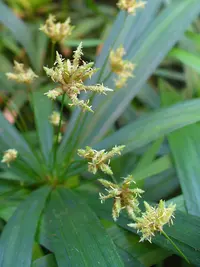
Libertia peregrinans Care

Libertia peregrinans

About Libertia peregrinans

Libertia peregrinans, commonly called New Zealand iris, is a clump-forming perennial grown mainly for its striking foliage. It belongs to the iris family but is valued more for leaves than flowers.

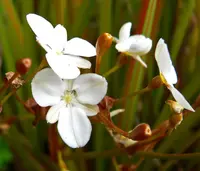
Its stiff, upright blades form fans of orange-bronze to green leaves that create strong vertical lines in borders and containers. Small white star-shaped flowers appear in spring or early summer, followed by decorative seed capsules.

This species is native to New Zealand, where it grows in open, often coastal habitats, which helps explain its tolerance of wind and poor soils. It prefers sun, moisture-retentive but well-drained soil, and generally low-maintenance conditions, so learning how to care for Libertia peregrinans is straightforward for most gardeners.

Main Plant Requirements

Care Difficulty

Moderate Care

Light Preference

Full Sun

Water Requirements

Moderate Water

Temperature Preference

Cool Climate

Hardiness Zone

8–10

Soil Texture

Sandy, Loamy, Organic-rich

Soil pH

Acidic (5.5–6.5), Slightly acidic (6.5–7.0)

Soil Drainage

Moist but well-drained

Fertilization

Minimal (feed rarely)

Get Personalized Care Plan

Scan your plant to receive care tips personalized for your specific plant

Available on iOS and Android

How to Care for the Libertia peregrinans

This clump-forming perennial prefers bright, open positions to color well.

  • Provide 4–6 hours of direct sun daily, ideally morning sun with light afternoon shade, to maintain strong orange foliage tones.
  • Tolerates light or dappled shade, but in less than 3–4 hours of sun the leaves may turn greener and growth becomes looser.
  • In hot summers, protect from intense afternoon sun to reduce leaf scorch and drying winds, especially in exposed sites, which is key for healthy Libertia peregrinans.

This species prefers steady moisture but dislikes waterlogged soil.

  • Allow the top 2–4 cm of soil to dry before watering again, aiming for soil that is evenly moist but not soggy during active growth.
  • In cooler months, reduce watering frequency as growth slows, using rainfall as the main source outdoors unless conditions are very dry.
  • Watch for overwatering signs such as yellowing, soft leaves and persistent wet soil, or underwatering signs like browning leaf tips and dry, pulling-away soil.

This hardy perennial copes with a range of outdoor temperatures when established.

  • Optimal growth occurs around 60–75°F (16–24°C), where foliage color and clump density are usually strongest.
  • Mature plants tolerate brief drops to about 15–20°F (-9 to -6°C), though young plants benefit from mulch in cold winters to protect crowns.
  • In hot regions, it handles up to about 90°F (32°C) if soil moisture is maintained and the plant receives some protection from reflected or radiated heat.

This species tolerates a wide humidity range and rarely needs special humidity management in typical homes or gardens.

Libertia peregrinans prefers free-draining, moderately fertile soil that does not stay waterlogged.

  • Use a sandy or fine-gravelly loam with some organic matter to keep it both draining and moisture-retentive.
  • Aim for slightly acidic to neutral pH, around 6.0–7.0, which supports balanced nutrient availability.
  • In containers or heavy native soils, blend garden loam with coarse sand or grit and a small amount of compost to improve structure and aeration.
  • Avoid dense clay, compacted sites, or mixes high in peat that hold water for long periods and promote root rot.

This species grows well in containers when drainage and root space are managed carefully.

  • Choose a wide, relatively shallow pot to accommodate its clumping, slowly spreading root system without constricting new shoots.
  • Select a heavier material such as ceramic or concrete to prevent wind overturning the narrow, upright foliage.
  • Elevate the pot slightly on feet or spacers so drainage holes stay clear and runoff leaves the container quickly.

This New Zealand native grass-like perennial grows well in modest soils but benefits from light feeding in containers or poor ground.

  • Use a balanced slow-release fertilizer (for example 10-10-10) or a thin layer of compost in early spring.
  • Feed container plants every 6–8 weeks in spring–summer at 1/2 strength, skipping doses if growth is strong.
  • Stop feeding Libertia peregrinans in late summer so new growth hardens before cold weather.

Pruning is minimal and focuses on keeping clumps tidy and healthy rather than reshaping the plant.

  • Best time is late winter or early spring before new growth starts.
  • Remove dead, damaged, or winter-burned leaves by cutting at the base with clean hand pruners or shears.
  • Thin out a few crowded fans from the center to improve air flow and maintain an open, upright form.
  • Avoid cutting into firm green fans, as this can spoil the natural architectural shape of Libertia peregrinans.

This clump-forming perennial is usually grown in the ground, but container plants or crowded clumps benefit from occasional transplanting or division.

  • Plan to lift and divide every 3–4 years in early spring when growth resumes.
  • Look for tight, congested fans, slow growth, or roots circling the pot drainage holes as signs it needs attention.
  • Dig around the clump, lift carefully, and tease or cut it into sections, keeping several healthy fans and roots per piece.
  • Replant at the same depth in well-drained soil, water thoroughly, and shade lightly for 3–5 days to reduce transplant stress on Libertia peregrinans.

Division is the most reliable method for increasing Libertia peregrinans, with seed used mainly for larger-scale or experimental growing.

  • Divide mature clumps in early spring or early autumn when soil is moist and temperatures are mild.
  • Lift the plant and separate fans by hand or with a clean knife, keeping firm roots attached to each division.
  • Replant divisions promptly in well-drained soil, water in, and maintain even moisture until new growth appears.
  • Seeds can be sown fresh in trays outdoors, using a free-draining mix and light cover, though germination may be slow and uneven.

This species is generally hardy in mild to moderate climates but benefits from some winter protection in colder regions.

  • Libertia peregrinans tolerates light frosts but may suffer foliage damage in prolonged freezes.
  • Apply a 5–7 cm mulch around the root zone in late autumn, keeping it just clear of the crowns.
  • In zones colder than about USDA 7, move containers into a sheltered, frost-free but cool spot for winter.

Care Tips

Control clump spread

Every 3–4 years, lift and divide congested fans in late winter to keep the clump dense, prevent center die-out, and provide offsets for replanting or sharing.

Enhance foliage color

Plant against a light-colored surface such as gravel mulch or a pale wall so the orange leaf blades receive reflected light, which enhances their copper tones and keeps growth compact.

Protect from wind rock

In exposed sites, top-dress around the base with gravel or coarse sand to stabilize the shallow roots and reduce wind rock that can loosen plants over winter.

Use drainage berms

On heavy or seasonally wet soils, establish plants on a 10–15 cm raised berm or mound to keep the root zone aerated and reduce the risk of rot when growing Libertia peregrinans in rainy climates.

Plan for winter mess

In colder regions, leave browned foliage in place over winter as insulation, then comb or trim it out in early spring to tidy the plant without exposing the crown to freeze–thaw damage.

Common Pests and Diseases

Iris leaf spot

This disease causes tan to brown spots with darker margins on the strap-like leaves, which can merge and lead to premature browning and dieback. Symptoms include more severe damage in humid, poorly ventilated sites or where old foliage is left in place.

Solution

Remove and dispose of affected leaves and any old, dead foliage to reduce fungal spores, and avoid overhead watering so leaves dry quickly. Improve spacing and airflow around clumps, and in severe, recurring cases use a labeled ornamental fungicide in early spring as new foliage emerges, following product directions carefully.

Rust

This disease produces small orange, brown, or yellow pustules on leaf surfaces that can cause gradual yellowing and weakening of the plant. Symptoms include increased severity in warm, moist conditions and in dense, unthinned clumps.

Solution

Cut out and discard heavily infected leaves and thin crowded clumps to improve air movement. Water at soil level in the morning, keep the foliage as dry as possible, and where rust persists use a suitable ornamental rust-control fungicide according to the label.

Slugs and snails

These pests chew irregular holes and notches along leaf edges and can scar the decorative orange-bronze foliage, especially in damp, shaded positions. This pest often leaves slime trails on or around the plant.

Solution

Hand-pick slugs and snails in the evening, reduce hiding places such as dense mulch and debris, and use barriers like copper tape or sharp grit around clumps. In higher-pressure situations, place iron phosphate slug bait around but not on the plants, following label rates.

Root-knot nematodes

These microscopic worms attack the roots, causing knobbly galls, reduced vigor, and slow, patchy growth in sandy or previously infested soils. Symptoms include plants that stay small, look nutrient-deficient, and do not respond well to normal care.

Solution

Discard badly affected plants and avoid replanting L. peregrinans in the same exact spot, rotating with non-host plants where possible. Improve soil organic matter, keep plants well watered but not waterlogged to reduce stress, and in areas with known nematode pressure consider planting into large containers with fresh, high-quality potting mix.

Crown rot (Phytophthora)

This disease affects the crown and upper roots, leading to a sudden collapse of fans, yellowing foliage, and a brown, mushy crown, particularly in poorly drained soils or containers that stay wet. Symptoms include plants that pull up easily with decayed tissue at the base.

Solution

Remove and dispose of affected clumps promptly and do not replant in the same poorly drained position. To prevent problems, plant in free-draining soil or raised beds, avoid overwatering and saucers that hold standing water, and use only clean, well-draining potting mix if choosing Libertia peregrinans indoor care in containers.

Interesting Facts

Copper foliage adaptation

This species develops striking orange-copper to bronze foliage in full sun, caused by increased production of protective pigments that help shield the narrow leaves from high light and UV exposure.

New Zealand dune specialist

It is naturally native to coastal areas and open sites in New Zealand, where it often grows in sandy or stony soils and tolerates wind and salt spray better than many other iris relatives.

Clump-forming rhizomes

The plant spreads slowly through short rhizomes, forming tight, upright clumps that create a tufted, architectural look rather than running aggressively like some other rhizomatous species.

Botan icon

Did you know?

Libertia peregrinans is sometimes described as appearing almost two-toned in natural habitats, because older leaves can age to a deeper bronze while new shoots emerge greener or yellow-orange, creating a naturally banded effect across a single clump without any variegation mutation.

FAQs about Libertia peregrinans

This species spreads slowly by short rhizomes and self-seeding, forming tight clumps over time rather than running. It usually is not aggressive, but in mild, moist climates it can gradually expand and may need occasional thinning.

Grow Healthy Plants with Botan Care

Keep your plants happy and healthy with plant identification, disease detection, and easy care guidance.

Botan plant care app — identify plants on mobile

Explore More Plants