Asian rice Care (Oryza sativa)

Also known as: Asian Rice
Asian rice

About Asian rice

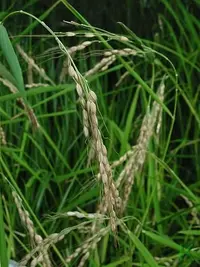
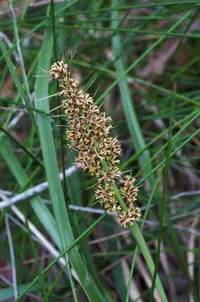
Asian rice, Oryza sativa, is an annual grass grown mainly for its edible grains, one of the world’s most important staple foods. It has slender, upright stems, narrow leaves, and forms dense clumps that end in seed heads filled with rice grains.

This species originated in tropical and subtropical Asia but is now cultivated in many warm regions worldwide. It prefers full sun, consistently moist to flooded conditions, and nutrient-rich soil.

In gardens or containers, it is moderately demanding because it needs steady moisture and warmth. Understanding how to care for Asian rice starts with providing stable water, warmth, and light conditions from planting to harvest.

Main Plant Requirements

Care Difficulty

Hard Care

Light Preference

Full Sun

Water Requirements

Aquatic

Temperature Preference

Tropical / Frost Sensitive

Hardiness Zone

9–12

Soil Texture

Loamy, Clay, Silty

Soil pH

Acidic (5.5–6.5), Slightly acidic (6.5–7.0)

Soil Drainage

Waterlogged tolerant

Fertilization

Moderate (every 2–4 weeks)

Get Personalized Care Plan

Scan your plant to receive care tips personalized for your specific plant

Available on iOS and Android

How to Care for the Asian rice

Oryza sativa is a true full-sun crop that needs strong, direct light for vigorous growth and grain production.

  • Provide 8–10 hours of direct sun daily; open fields or unobstructed south-facing exposures work best for Asian rice in most regions.
  • Plant where morning to mid-afternoon sun is strong; light afternoon shade is acceptable in very hot climates but may slightly reduce yield.
  • Watch for pale, weak stems and slow growth as signs of insufficient light; scorched leaf tips usually indicate intense heat combined with water stress, not excess light alone.

Water management for Oryza sativa focuses on consistently saturated conditions without prolonged drying.

  • In paddies, keep 5–10 cm of standing water during vegetative growth, then gradually reduce depth around flowering and grain filling to avoid lodging and fungal issues.
  • In well-drained field soils, aim for constantly moist soil; do not let the top 2–4 cm fully dry or leaves will roll and plants may wilt by midday.
  • Signs of excess water include yellowing lower leaves, weak roots, and rotten smells; underwatered plants show rolled, bluish leaves and stunted tiller formation.

Stable warm temperatures are essential for strong rice establishment, tillering, and grain filling.

  • Aim for 77–93°F (25–34°C) during active growth; seedlings establish best above 68°F (20°C) soil temperature.
  • Avoid exposure below 50°F (10°C); growth slows sharply, and brief dips near 41°F (5°C) can damage young plants and reduce yield potential.
  • Rice tolerates short hot spells up to about 100°F (38°C) if water is abundant, but heat above this during flowering can reduce grain set; protect from any frost.

This species needs high, stable humidity to thrive and set grain reliably.

  • Aim for 60–80% humidity, as Asian rice naturally grows in saturated, warm air around flooded paddies.
  • Leaves curling, tip browning, and pale new growth often indicate humidity stress in container-grown plants.
  • Increase humidity by grouping pots over trays of water, using a room humidifier, and avoiding strong drafts or heating vents.

This grass prefers continuously wet, organic-rich substrate rather than typical houseplant mixes.

  • Use heavy loam with 30–50% clay and added compost to hold water while still allowing some pore space for roots.
  • Maintain a slightly acidic to neutral pH around 5.5–7.0 for optimal nutrient uptake in Oryza sativa.
  • For container culture, mix garden loam, compost, and a small amount of coarse sand to prevent complete compaction.
  • Avoid peat-only, very sandy, or peat-perlite potting mixes, as they either dry too fast or become unstable when flooded.

This species can be grown in containers if the pot can stay waterlogged and stable.

  • Choose a wide, deep tub-style container so roots anchor well and the stem base remains submerged without tipping.
  • If using a pot with drainage holes, place it inside a watertight outer basin to maintain a constant shallow water layer.
  • Dark-colored, rigid containers warm the water faster, which can speed early growth but require closer monitoring in hot weather to prevent overheating.

Oryza sativa responds well to consistent but moderate nutrition during its active growing season.

  • Use a balanced NPK fertilizer (for example 10-10-10) or well-rotted compost to support strong vegetative growth and grain production.
  • Apply liquid fertilizer every 2–3 weeks in spring and summer, at 1/2–1/4 the label strength to avoid root burn in containers.
  • In flooded paddies or tubs, distribute granular slow-release fertilizer evenly in the soil before planting for steady nutrient supply.
  • Reduce feeding sharply in late season and stop during dormancy or after harvest, as nutrient demand drops.

Pruning Oryza sativa focuses on post-harvest cleanup and removing non-productive tissue rather than shaping.

  • Use clean scissors or shears to cut back dry panicles and dead leaves after grain harvest, reducing disease carryover.
  • Remove visibly damaged, diseased, or lodging (fallen) stems during the season to improve air flow and light penetration.
  • Thin very crowded clumps in small plantings so each stem has space, which can improve grain filling and reduce fungal problems.
  • Cut stems close to the base at season end, then clear or compost residues to break pest and disease cycles.

Transplanting is more relevant than repotting for Oryza sativa, which is typically raised as seasonal bedding or field crops.

  • Start seedlings in trays or small pots; transplant when 3–4 leaves appear and roots lightly fill the plug but are not circling.
  • Shift plants outdoors in late spring once temperatures stay above about 55°F and water for paddies or tubs is available.
  • Transplant into flooded or very wet soil at the same depth as in the nursery cell, spacing clumps to avoid overcrowding.
  • Handle roots gently, keep them moist at all times, and shade plants for a few days after transplanting to reduce stress.

Seed propagation is the standard method for multiplying Oryza sativa for home or field production.

  • Sow viable rice seed in late spring when temperatures reach 68–86°F, which supports fast germination.
  • Pre-soak seeds in clean water for 12–24 hours, then surface-sow on saturated soil or shallowly cover in trays or beds.
  • Maintain constant moisture and warmth; avoid letting the substrate dry, especially during the first 7–10 days.
  • Thin seedlings to prevent overcrowding, then transplant strongest plants once they have 3–4 true leaves and firm root systems.

Asian rice is a frost-sensitive annual and usually completes its life cycle before winter in temperate climates.

  • Harvest all mature panicles before first frost, as freezing damages grains and foliage.
  • In outdoor beds, remove and compost remaining straw once plants die back, or lightly till residues into soil to add organic matter.
  • Container-grown rice in cool regions can be moved to a frost-free greenhouse to finish ripening late panicles if needed.

Care Tips

Staggered Flooding

After seedlings establish, raise water depth gradually from 2–3 cm to 8–10 cm over 1–2 weeks to reduce weed pressure and help plants adapt without stress.

Gentle Root Anchoring

In windy or exposed sites, gently firm soil around young transplants and add a thin mud collar at the base so plants root deeply and stand upright under shallow flooding.

Targeted Panicle Support

In small plots or containers, insert slim stakes and loosely tie heavy panicle-bearing stems to prevent lodging and keep grain heads above water for better ripening.

Clean Water Rotation

Replace or refresh standing water every 7–10 days in tubs or basins to limit algae, mosquito larvae, and fungal issues while still maintaining consistent shallow flooding for growing Asian rice.

Timely Drain Before Harvest

Drain paddies or containers 7–14 days before harvest so soil firms up, plants are easier to handle, and grain moisture drops more evenly for cleaner threshing.

Common Pests and Diseases

Brown planthopper

This pest feeds on rice sap, causing yellowing, wilting, and sometimes complete plant collapse, especially in dense plantings. Symptoms include hopperburn, where leaves turn brown and dry from the tips downward.

Solution

Reduce excess nitrogen fertilization, avoid very dense planting, and remove heavily infested plants. For higher pressure, use yellow sticky traps and, if necessary, apply a targeted systemic insecticide labeled for planthoppers, following all safety directions and avoiding application during flowering to protect beneficial insects.

Rice stem borer

This insect larva bores inside stems, cutting off water and nutrient flow and causing dead central tillers or white, empty panicles. Damage is often hidden until stems are split open.

Solution

Inspect plants regularly, remove and destroy infested stems, and avoid leaving old stubble that can harbor larvae. Light traps can help monitor adults, and in larger plantings, use pheromone traps or biological controls such as Bacillus thuringiensis (Bt) products labeled for caterpillars.

Rice blast

This disease is caused by a fungus that produces diamond- or spindle-shaped lesions on leaves, collars, nodes, and panicles, which can greatly reduce grain formation. Symptoms include gray centers with dark borders on leaves and can progress quickly under warm, humid conditions.

Solution

Use resistant varieties when possible and avoid heavy nitrogen that produces lush, dense foliage. Improve airflow by maintaining reasonable spacing, keep foliage as dry as practical, remove infected plant debris after harvest, and apply a labeled fungicide preventively when conditions are favorable for infection.

Bacterial leaf blight

This disease starts as water-soaked stripes on leaf tips and margins that turn yellow, then brown and dry, often spreading down the leaf. Symptoms include a general scorched appearance of leaves and reduced vigor, especially in warm, wet weather.

Solution

Plant disease-free seed, avoid injury to leaves, and limit overhead irrigation where possible. Remove and discard severely affected plants, do not compost diseased residues, and rotate away from rice or other grassy hosts in outdoor settings to lower bacterial carryover.

Sheath blight

This disease is caused by a soilborne fungus that infects the leaf sheath near the waterline or soil line, forming oval gray-green lesions that can merge and girdle stems. Under humid conditions, lesions expand upward, reducing leaf area and grain filling.

Solution

Avoid overly dense stands and excessive nitrogen that encourage thick, humid canopies. Improve air movement around plants, remove lower infected leaves and sheaths, and where disease pressure is high, use a registered fungicide for sheath blight applied early in the infection period according to label directions.

Interesting Facts

Domesticated from wild rice

Asian cultivated rice was domesticated from the wild species Oryza rufipogon in Asia, with major domestication centers in China and parts of South and Southeast Asia, leading to distinct indica and japonica groups with different grain and growth traits.

Flood‑tolerant physiology

Many varieties can form specialized air channels called aerenchyma in their roots and lower stems, allowing oxygen to move through submerged tissues so the plant can grow in flooded paddy fields that would kill most other cereals.

Self‑pollinating cereal

Rice flowers are mainly self‑pollinating, so the anthers usually release pollen onto the stigma of the same floret before it fully opens, which keeps varieties genetically stable unless breeders deliberately cross them.

Botan icon

Did you know?

Rice hulls and bran from Oryza sativa grains are important industrial by-products, used in products such as building materials, filtration media, biochar, and as a source of rice bran oil, which makes the crop valuable beyond its role as a staple food.

FAQs about Asian rice

Yellowing leaves often result from natural aging after flowering, nitrogen deficiency, or water stress. Check that plants sit in consistently wet but not stagnant conditions and receive balanced fertilizer, especially nitrogen, during active growth for stable color.

Grow Healthy Plants with Botan Care

Keep your plants happy and healthy with plant identification, disease detection, and easy care guidance.

Botan plant care app — identify plants on mobile

Explore More Plants