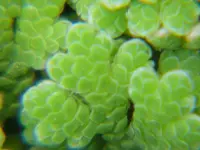
eared redstem Care (Ammannia auriculata)

eared redstem

About eared redstem

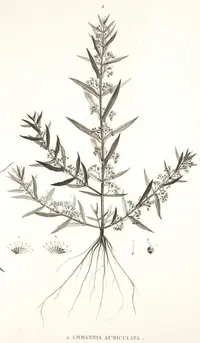
Eared redstem, Ammannia auriculata, is an aquatic or semi-aquatic plant often used in aquariums, ponds, and wet margins. It forms upright stems with opposite leaves that can take on red or bronze tones under strong light.

In nature it grows in shallow, slow-moving or still waters, such as rice fields, ditches, and marshy edges in warm regions. Its compact size and colorful foliage make it popular in aquascaping and planted tanks.

The plant prefers consistently wet conditions, nutrient-rich substrates, and good light, which can make it slightly demanding for beginners. Understanding how to care for eared redstem helps keep its growth dense, healthy, and well-colored.

Main Plant Requirements

Care Difficulty

Hard Care

Light Preference

Full Sun

Water Requirements

Aquatic

Temperature Preference

Tropical / Frost Sensitive

Hardiness Zone

10–11

Soil Texture

Sandy, Loamy, Organic-rich

Soil pH

Acidic (5.5–6.5), Slightly acidic (6.5–7.0)

Soil Drainage

Waterlogged tolerant

Fertilization

Heavy (weekly, diluted)

Get Personalized Care Plan

Scan your plant to receive care tips personalized for your specific plant

Available on iOS and Android

How to Care for the eared redstem

This aquatic species needs strong light to color well and maintain compact growth.

  • Provide 8–10 hours of bright light daily; in outdoor ponds or ditches it performs best in full sun, with some protection from harsh late-afternoon summer sun in hot climates.
  • Tolerates brief partial shade (2–3 hours/day), but stems elongate and lower leaves may drop if light stays low for many days.
  • When caring for eared redstem in cooler seasons, compensate for weaker natural light by ensuring unobstructed exposure and avoiding shading by taller plants.

This marsh and shallow-water plant prefers consistently saturated conditions rather than fluctuating wet-dry cycles.

  • Grow Ammannia auriculata with its roots submerged or in mucky soil; in garden settings, keep water standing 2–10 cm above the crown or maintain soil that never dries out.
  • If kept in very shallow, muddy margins, the surface should only begin to look slightly less glossy before water is topped up, not show cracking or pulling away from stems.
  • Signs of underwatering include limp, dull foliage and slow growth, while stagnant, foul-smelling water or black, slimy roots indicate poor drainage and oxygen levels rather than too little moisture.

This warm-climate aquatic plant grows best in stable, mild to warm temperatures.

  • Optimal growth occurs around 72–82°F (22–28°C), when stems stay compact and foliage color is strongest.
  • It tolerates down to about 55°F (13°C) for short periods, but growth slows; exposure below 50°F (10°C) and any frost can damage or kill stems and roots.
  • In hot summers up to about 90°F (32°C), it usually copes if water depth is adequate and not overheating; shallow, very warm water combined with full sun may cause stress and pale, stunted shoots.

This aquatic species prefers consistently high humidity around its foliage and above the waterline.

  • Aim for 70–90% humidity around emergent stems and leaves, especially in heated indoor air.
  • Dry air leads to curled, dull, or browning leaf tips on eared redstem, especially on new growth.
  • Increase humidity with a tight-fitting aquarium lid, grouped aquatic plantings, or a shallow water tray beneath an emersed setup.

Ammannia auriculata grows best rooted in nutrient-rich, fine-textured aquatic substrate rather than typical potting soil.

  • Use a mix of fine gravel or sand with nutrient-rich aquatic plant substrate or clay-based aquatic soil to anchor roots firmly.
  • Ensure slow water movement above the substrate so nutrients stay available without creating anaerobic, oxygen-poor pockets.
  • Target slightly acidic to neutral conditions, roughly pH 6.0–7.2, to support nutrient uptake and stable growth.
  • Avoid coarse, fast-draining terrestrial mixes or thick uncompacted mud that trap gases and suffocate roots.

This species is well suited to container culture in aquariums or shallow water tubs.

  • Choose a wide, stable container so stems have room to spread and are not dislodged by water movement or maintenance.
  • Use a layer of heavier substrate at the bottom so rooted shoots stay anchored when fish or filters disturb the water.
  • Keep the water level high enough to cover roots but allow emergent shoots where desired, adjusting depth gradually as plants elongate.

This aquatic species benefits from modest, steady nutrition rather than heavy feeding.

  • Use a balanced NPK aquatic fertilizer or root tabs, avoiding high-phosphate formulas unless growth is weak.
  • Feed every 2–4 weeks during the warm growing season, monitoring algae growth as a sign of excess nutrients.
  • Apply liquid fertilizer at half the label strength to submerged stems of eared redstem to prevent nutrient burn.
  • Reduce or stop fertilization in winter or when growth slows, resuming only once new shoots appear.

Pruning helps keep Ammannia auriculata compact, healthy, and well lit throughout the stand.

  • Trim during active growth, removing the tallest stems first to maintain an even canopy height.
  • Cut back weak, shaded, or damaged shoots close to a node to encourage branching from lower points.
  • Thin crowded stems to improve water flow and light penetration, which supports stronger coloration.
  • Use sharp, clean aquascaping scissors and avoid tearing stems to lower infection risk and stress.

Transplanting is more relevant than repotting because this plant is usually grown rooted in substrate or in aquatic beds.

  • Plan major moves for warm, stable conditions when growth is active and recovery is faster.
  • Transplant when clumps become crowded, stems shade each other, or roots form dense mats at the substrate surface.
  • Gently lift stems, keep as much root mass and surrounding substrate as possible, and replant to the original depth.
  • Trim back foliage by about one-third after transplanting to reduce transpiration and root stress while plants resettle.

This species is commonly propagated to refresh stands and create dense group plantings.

  • Use stem cuttings during the warm growing season when shoots are firm and actively elongating.
  • Cut 8–10 cm tips or mid-stem sections just below a node and remove lower leaves to expose rooting points.
  • Replant cuttings upright in fine, nutrient-rich substrate and ensure good light and stable water parameters.
  • Maintain gentle water flow and stable temperature to encourage rooting; new top growth indicates successful establishment.

In mild climates and controlled aquaria, Ammannia auriculata needs only minimal winter adjustment.

  • Avoid frost exposure; this species is not tolerant of freezing water or air temperatures.
  • In outdoor setups, move containers indoors or into a greenhouse before temperatures fall below 50°F.
  • Reduce feeding intensity in cooler months as growth slows, but maintain stable light and water quality.

Care Tips

Staggered Stem Trimming

Trim only the tallest stems in small batches every 1–2 weeks to maintain a dense stand and prevent the entire group from going into shock at once.

Replant Healthy Tops

After cutting tall stems, replant the healthy, leafy tops into the substrate in front of older stems to continuously refresh the foreground with vigorous growth.

Strong Directional Flow

Position the plant in moderate, directional water flow from a filter outlet so that fine, upright stems stay clean of debris and develop stronger cell walls, which reduces breakage.

Iron And Micronutrient Focus

Monitor new growth for pale or yellowish tips and increase chelated iron and trace element dosing slightly rather than just adding more general fertilizer when deficiency is suspected.

Substrate Deep Maintenance

During water changes, lightly vacuum only the surface around the stems and periodically thin dense clumps so the lower nodes receive oxygenated water and the root zone does not turn anaerobic, which is critical when growing eared redstem in deeper tanks.

Common Pests and Diseases

Algae overgrowth

Symptoms include green, brown, or filamentous growth coating stems and leaves, often triggered by strong light, excess nutrients, and unstable CO2 in the aquarium. This growth competes with the plant for light and nutrients and can slow or distort new shoots.

Solution

Reduce light intensity or duration to 6–8 hours, stabilize CO2 if used, and avoid overfeeding fish or overfertilizing. Manually remove algae from leaves, improve water circulation, and perform regular partial water changes to limit nutrient spikes.

Aquatic snails

These insects are not involved; instead, small freshwater snails and their eggs arrive on new plants and may graze on soft new growth, leaving small holes or ragged edges on leaves. Populations can increase quickly in nutrient-rich tanks with heavy feeding.

Solution

Manually remove visible snails and egg clutches, reduce excess fish food, and use snail traps or snail-eating fish where compatible with the aquarium. A short pre-plant dip of new stems in clean, dechlorinated water with gentle agitation helps dislodge hitchhiking snails and eggs before adding them to the tank.

Staghorn algae

This disease is not caused by a pathogen but by imbalance; gray to dark green, branching, hair-like tufts appear on older leaves and hardscape near the filter outflow. Growth is strongly linked to fluctuating CO2, high organic waste, and inconsistent maintenance.

Solution

Stabilize CO2 levels, increase water changes, and remove decaying plant matter and debris from the substrate. Manually trim affected leaves and spot-treat stubborn patches outside the tank or in a separate container with diluted liquid carbon before rinsing thoroughly and replanting.

Nutrient deficiency chlorosis

Symptoms include pale or yellowing leaves, poor coloration, and slow or stunted growth, often in tanks with strong light but insufficient macro- or micronutrients. Fast-growing eared redstem is particularly sensitive to imbalances in iron and nitrogen supply.

Solution

Test water parameters, then adjust fertilization with a complete aquarium plant fertilizer that includes both macros and trace elements, and dose consistently rather than in large, infrequent amounts. Remove severely damaged leaves and monitor new growth for improved color as an indicator that Ammannia auriculata plant care is on track.

Interesting Facts

Amphibious growth form

This species can grow fully submerged in water or emersed with stems rising above the surface, adjusting its leaf shape and size to match water depth and flow conditions.

Preference for muddy clays

In the wild it is most often found rooted in heavy, fine-textured clay or silt in shallow, slow-moving waters, such as rice paddies, ditches, and pond margins.

Small paired ear lobes

The common name eared redstem comes from the tiny ear-like lobes at the base of each leaf where it joins the stem, a useful feature for distinguishing it from similar aquatic Ammannia species.

FAQs about eared redstem

This species can behave aggressively in warm, shallow, nutrient-rich water, forming dense patches that displace other plants. In some regions it is listed as invasive, so always check local regulations before planting in outdoor ponds or wetlands.

Grow Healthy Plants with Botan Care

Keep your plants happy and healthy with plant identification, disease detection, and easy care guidance.

Botan plant care app — identify plants on mobile

Explore More Plants