Pistacia khinjuk Care

Pistacia khinjuk

About Pistacia khinjuk

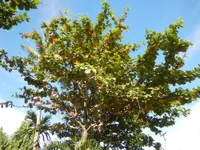
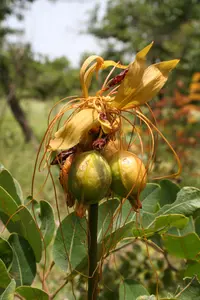
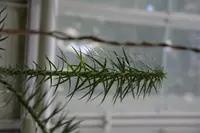
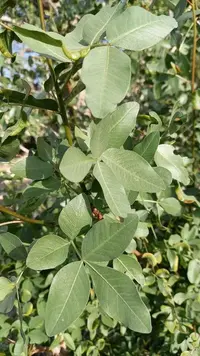
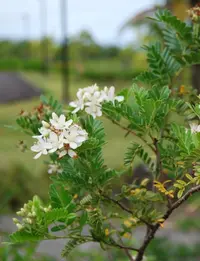
Pistacia khinjuk is a small to medium deciduous tree from dry, rocky regions of the Middle East and Central Asia. It belongs to the same genus as the edible pistachio. The tree usually has a broad, rounded crown, fine branching, and small compound leaves that may turn slightly reddish before dropping in cooler climates. Its fruits are small drupes that are less commercially important than true pistachios but are locally used. This species tolerates heat, drought, and poor, stony soils, which can make it a resilient choice in arid or low-maintenance landscapes. Those wanting to learn how to care for Pistacia khinjuk should focus on providing full sun and well-drained soil with only moderate watering once established.

Main Plant Requirements

Care Difficulty

Moderate Care

Light Preference

Full Sun

Water Requirements

Low Water

Temperature Preference

Warm Climate

Hardiness Zone

7–10

Soil Texture

Sandy, Loamy, Rocky

Soil pH

Slightly alkaline (7.0–7.5), Alkaline (7.5–8.5)

Soil Drainage

Well-drained

Fertilization

Minimal (feed rarely)

Get Personalized Care Plan

Scan your plant to receive care tips personalized for your specific plant

Available on iOS and Android

How to Care for the Pistacia khinjuk

This drought-adapted tree prefers strong sun but benefits from some protection in very hot climates.

  • Provide 6–8 hours of direct sun daily; full sun promotes dense branching and better nut production for Pistacia khinjuk.
  • Allow light afternoon shade in regions with very intense summer sun to reduce leaf scorch and moisture stress, especially on young trees.
  • In cooler climates, choose a south- or west-facing site with unobstructed exposure; in hotter areas, prioritize morning sun with light filtered shade after 2–3 p.m.

This species is drought tolerant and needs infrequent but deep watering once established.

  • Water newly planted trees when the top 5–8 cm of soil is dry, giving a slow, deep soak to wet the root zone 25–40 cm down.
  • Ensure sharply drained, gravelly or sandy soil; standing water, sour smell, or blackened roots indicate overwatering and poor drainage.
  • During the first 2–3 summers, monitor leaves: dull, curling foliage suggests underwatering; reduce irrigation in fall and usually stop once winter rains arrive.

This hardy tree tolerates a wide temperature range but needs cold winters and avoids severe, prolonged freezes.

  • Optimal growing temperatures are about 70–90°F (21–32°C) during the active season, with warm, dry summers supporting strong shoot and nut development.
  • Mature trees often survive down to about 10–15°F (-12 to -9°C), but young plants are safer above 20°F (-6°C), especially in exposed, windy sites.
  • The tree handles dry heat up to about 100–105°F (38–41°C) if soil is not waterlogged; late spring frosts may damage young shoots and flowers.

This drought-adapted species tolerates low humidity and normally needs no special humidity management.

This species prefers dry, rocky, well-drained mineral soils and is highly sensitive to waterlogging.

  • Use a sandy or gravelly loam with low to moderate organic matter to mimic its native, stony slopes.
  • Ensure very fast drainage by blending coarse sand and 20–40% fine gravel, avoiding water-holding peat-heavy mixes.
  • Aim for slightly alkaline to neutral pH, around 7.0–8.0, which supports its calcicole (lime-tolerant) nature.
  • Avoid compacted, clay-rich, or chronically moist sites that restrict root aeration and invite root rot.

This species can be grown in containers mainly during its juvenile stage or where in-ground planting is not possible.

  • Choose a deep, heavy pot that resists tipping as the woody top growth becomes tall and wind-exposed.
  • Select thick-walled terracotta or similar porous material to reduce excess moisture retention around drought-adapted roots.
  • Elevate the container on feet so drainage holes clear freely and runoff moves away quickly in heavy rain.

This drought-adapted tree needs only light feeding in poor soils, so focus on modest, infrequent inputs.

  • Apply a balanced slow-release NPK fertilizer at half strength once in spring for young Pistacia khinjuk trees in low-fertility soil.
  • Use a thin layer of well-rotted compost over the root zone instead of frequent synthetic feeding.
  • Avoid fertilizing during summer drought stress or if growth looks normal and leaves are well colored.
  • Stop feeding in late summer so shoots mature before winter and resist cold damage better.

This species responds well to thoughtful structural pruning that maintains a strong, open canopy.

  • Carry out main pruning in late winter to early spring, before new growth begins on Pistacia khinjuk.
  • Remove dead, diseased, crossing, or inward-growing branches to improve airflow and light penetration.
  • Shorten or thin crowded shoots to guide a balanced, stable framework rather than forcing heavy top growth.
  • Use sharp, clean bypass pruners or a pruning saw, making smooth cuts just outside the branch collar.

This tree is usually field-grown, so care focuses on moving young plants from containers into permanent ground positions.

  • Transplant in late winter to early spring, while the plant is dormant and soil is workable.
  • Look for circling roots, slowed growth, or soil drying very quickly as signs a container-grown Pistacia khinjuk is pot-bound.
  • Shift up containers only every 2–3 years, handling the root ball gently and teasing out tight root circles.
  • Water thoroughly after transplanting, then keep soil evenly moist but not waterlogged to reduce transplant shock.

New plants are most often raised from seed, with vegetative methods used less frequently in home settings.

  • Collect ripe seeds in late summer to autumn, then cold-stratify them for several weeks to improve germination.
  • Sow seeds in a free-draining mix, keeping temperatures around 65–75°F and moisture consistently light, not saturated.
  • Semi-hardwood cuttings taken in late spring to early summer can root under high humidity and bottom warmth.
  • Provide bright, indirect light and good air circulation to limit fungal problems while young Pistacia khinjuk plants establish.

Mature trees show good cold tolerance in most temperate climates and usually need little targeted winter care.

  • In regions with severe freezes, apply a 5–8 cm mulch layer over the root zone, keeping it away from the trunk.
  • Young or container-grown Pistacia khinjuk benefit from shelter against drying winter winds.
  • Move containers to an unheated garage or cold frame where temperatures stay above hard-freeze levels.

Care Tips

Structural training

Select 1 strong central leader in the first 2–3 years and remove competing upright shoots to build a single, well-spaced framework of 4–6 main branches that can carry crop weight and resist wind damage over time.

Deep root development

Encourage a deep, drought-resilient root system by using infrequent but very deep irrigation and gradually extending the interval between waterings during the second and third growing seasons.

Salinity management

Where irrigation water is slightly saline, apply occasional deep leaching irrigations and avoid watering in very small amounts so that salts are flushed below the main root zone instead of accumulating near the surface.

Efficient nut harvest

Lay clean tarps or nets under the canopy before harvest, then use gentle branch shaking or a padded pole to dislodge ripened fruits, which reduces fruit damage and keeps debris out of the harvested material.

Targeted pest monitoring

Inspect leaves, young shoots, and fruit clusters every 2–3 weeks during the warm season for scale insects, leaf miners, or borers, and prune out or spot-treat only affected twigs early to avoid broad, unnecessary pesticide use when growing Pistacia khinjuk.

Common Pests and Diseases

Pistachio psyllid

This pest feeds on young leaves and shoots, causing curling, yellowing, sticky honeydew, and black sooty mold on foliage. Heavy infestations can reduce growth and weaken trees over time.

Solution

Monitor young flushes in spring and summer and prune out heavily infested shoots. Wash foliage with a strong stream of water to remove nymphs, then use insecticidal soap or a light horticultural oil targeting leaf undersides, and encourage natural predators such as lacewings and lady beetles by minimizing broad-spectrum insecticides.

Pistachio aphids

These insects cluster on the undersides of leaves and young stems, sucking sap and producing honeydew that supports sooty mold growth. Symptoms include leaf curling, reduced vigor, and distorted new growth.

Solution

Inspect new growth regularly and remove or pinch back heavily infested tips. Rinse colonies off with water, then apply insecticidal soap or neem oil thoroughly to leaf undersides if needed, and reduce excess nitrogen fertilization that encourages soft, aphid-prone growth as part of general Pistacia khinjuk care instructions.

Verticillium wilt

This disease is caused by soil-borne fungi that invade the water-conducting tissue, leading to sudden wilting, one-sided branch dieback, and yellow or scorched leaves. Symptoms include brown streaks in the wood when branches are cut open.

Solution

Remove and destroy affected branches back to healthy wood and avoid replanting susceptible species in the same soil. Improve soil drainage, avoid overwatering, mulch lightly to protect roots, and keep the tree under low stress with moderate, consistent watering rather than frequent shallow irrigation.

Alternaria leaf spot

This disease produces small dark spots that enlarge into circular lesions with concentric rings on leaves, which may yellow and drop prematurely under humid or overhead watering conditions. Symptoms include a gradual thinning of the canopy if infections recur each season.

Solution

Collect and discard fallen leaves, avoid overhead watering, and increase spacing or pruning to improve airflow through the canopy. In areas with recurrent problems, begin a preventative copper-based or other labeled fungicide spray at the start of the growing season, following the label carefully and treating only during periods conducive to infection.

Scale insects

These insects appear as small, fixed bumps on stems and sometimes leaves, sucking sap and excreting honeydew that leads to sooty mold. Heavy infestations can cause leaf yellowing, twig dieback, and general decline over time.

Solution

Scrape or prune out heavily infested twigs, then wash remaining stems with water and, if needed, apply horticultural oil during the appropriate season to smother scales. Encourage natural enemies such as parasitic wasps by avoiding broad-spectrum insecticides and monitor yearly so that small populations are treated before they build up.

Interesting Facts

Key wild pistachio rootstock

Pistacia khinjuk is widely used as a rootstock for commercial pistachio (Pistacia vera) orchards in parts of the Middle East and Central Asia because it tolerates poor, shallow, and rocky soils better than many related species.

High drought resilience

This species develops a deep taproot and extensive lateral roots, allowing it to survive in semi-arid mountain habitats with low and irregular rainfall, often on limestone slopes and degraded rangelands.

Important oil-rich drupes

The small fruits contain an oil-rich kernel that has been traditionally used in some regions for edible oil and local confectionery, and as a wildlife food source for birds and small mammals.

Botan icon

Did you know?

Mature Pistacia khinjuk trees can form open woodlands and mixed pistachio–oak stands that help stabilize soils on steep slopes, making the species locally important in ecological restoration and erosion control projects in parts of its native range.

FAQs about Pistacia khinjuk

This species is moderate-growing, typically adding about 20–40 cm of height per year under suitable conditions. Growth is quicker in deep, well-drained soil with full sun and slower in shallow, compacted, or very dry sites.

Grow Healthy Plants with Botan Care

Keep your plants happy and healthy with plant identification, disease detection, and easy care guidance.

Botan plant care app — identify plants on mobile

Explore More Plants