


Progressive pot sizing
Step container size up gradually (for example, from 15–20 cm to 25–30 cm) rather than jumping to a very large pot, which keeps roots evenly active and reduces the risk of waterlogged soil and root rot.

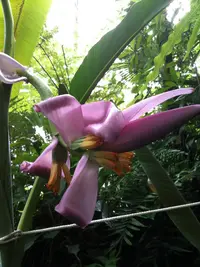
Musa rubra is a small ornamental banana species valued for its striking red-tinged foliage and compact growth. It forms clumping stems with paddle-shaped leaves that give a lush, tropical look.
This species is native to parts of Southeast Asia, where it grows in warm, humid forest margins. In cultivation it is usually grown as an accent plant in tropical gardens or large containers.
Musa rubra prefers bright, filtered light, evenly moist but not waterlogged soil, and protection from strong wind. Its sensitivity to cold and need for consistent moisture make it moderately challenging for beginners, but manageable if you understand how to care for Musa rubra.

Care Difficulty
Moderate Care

Light Preference
Partial Sun

Water Requirements
Regular Water

Temperature Preference
Tropical / Frost Sensitive

Hardiness Zone
10–11

Soil Texture
Loamy, Organic-rich

Soil pH
Acidic (5.5–6.5), Slightly acidic (6.5–7.0)

Soil Drainage
Moist but well-drained

Fertilization
Moderate (every 2–4 weeks)
Scan your plant to receive care tips personalized for your specific plant
Available on iOS and Android
This banana prefers bright, warm conditions similar to a tropical edge-of-forest site.
This species needs consistently moist but not waterlogged soil for steady growth.
This banana thrives in warm, frost-free conditions.
This species prefers fairly high humidity to maintain large, healthy leaves and steady growth.
Musa rubra performs best in loose, moist, and nutrient-rich soil that drains freely yet holds consistent moisture.
This species is suitable for container growing when the pot is large, stable, and drains efficiently.
Balanced nutrition supports steady growth and foliage color in Musa rubra.
Targeted pruning keeps Musa rubra tidy and encourages healthy new shoots.
Container-grown Musa rubra benefits from periodic repotting to maintain root health and growth.
Division of suckers is the most reliable method for multiplying Musa rubra at home.
Winter care for Musa rubra focuses on protecting roots and stems from freezing conditions.

Plant Health Check
Not sure what's wrong with your plant? Check your plant's health inside the app.
The name Musa rubra has been historically applied to red-stemmed bananas, but modern taxonomic databases often treat it as an unresolved or misapplied name rather than a clearly defined, accepted species.
Where used horticulturally, the name usually refers to ornamental bananas with distinctly reddish pseudostems and petioles, grown more for foliage color than for edible fruit quality.
Older horticultural literature sometimes listed Musa rubra among ornamental bananas, reflecting visual traits rather than a rigorously described wild species with a documented native range.
Growth is moderately fast in consistently warm, bright conditions with regular fertilizer. Young plants can add 30–90 cm of height in a growing season, but growth slows if temperatures, light, water, or nutrients drop below their preferred range.
Keep your plants happy and healthy with plant identification, disease detection, and easy care guidance.

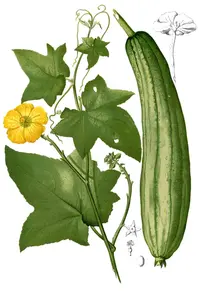
sponge gourd
Luffa aegyptiaca
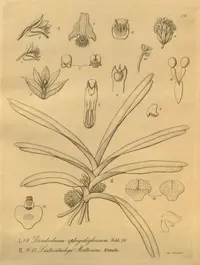
Ancistrorhynchus metteniae
Ancistrorhynchus metteniae
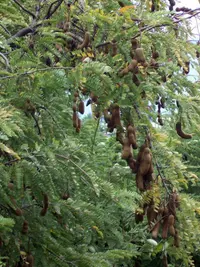
Tamarind
Tamarindus indica
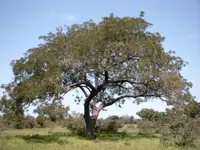
African locust bean
Parkia biglobosa
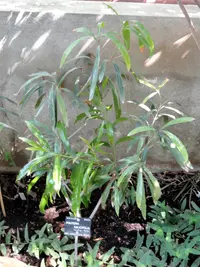
Pouteria salicifolia
Pouteria salicifolia
 POPULAR
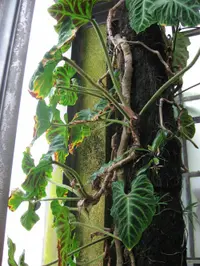
Philodendron verrucosum
Philodendron verrucosum
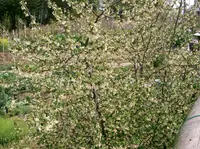
cherry silverberry
Elaeagnus multiflora

Strawberry
Fragaria x ananassa 'Seascape'