Sanchezia Care (Sanchezia parvibracteata)

Sanchezia

About Sanchezia

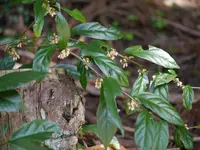
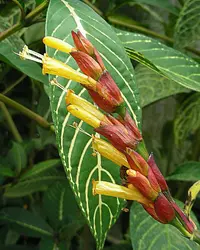
Sanchezia parvibracteata is a tropical evergreen shrub grown mainly for its striking foliage. It usually forms a dense, upright clump with soft, green stems. Leaves are large, glossy, and strongly veined, often with pale or yellow midribs that create a bold contrast. In warm conditions it may produce tubular flowers held above colorful bracts, but many growers value it mostly as a foliage plant. The species comes from humid, lowland tropical forests of South America, so it prefers warm temperatures, bright filtered light, and evenly moist, well-drained soil. Its fast growth and need for consistent warmth and humidity influence how to care for Sanchezia in homes and greenhouses.

Main Plant Requirements

Care Difficulty

Moderate Care

Light Preference

Partial Shade

Water Requirements

Keep Soil Moist

Temperature Preference

Tropical / Frost Sensitive

Hardiness Zone

10–11

Soil Texture

Loamy, Organic-rich

Soil pH

Acidic (5.5–6.5), Slightly acidic (6.5–7.0)

Soil Drainage

Moist but well-drained

Fertilization

Moderate (every 2–4 weeks)

Get Personalized Care Plan

Scan your plant to receive care tips personalized for your specific plant

Available on iOS and Android

How to Care for the Sanchezia

This tropical shrub thrives in bright, filtered light that mimics a high-canopy forest edge.

  • Provide 4–6 hours of bright, indirect light daily, such as dappled shade or light filtered through thin curtains or tree cover.
  • Morning sun with afternoon shade works well; avoid harsh midday sun that can scorch leaves or fade the yellow veins of Sanchezia.
  • In summer, shift plants away from west-facing exposures; in low-light seasons, move closer to a bright window or brighter outdoor spot to prevent leggy growth.

This species prefers evenly moist, well-drained soil without staying soggy.

  • Water when the top 2–3 cm of soil feel dry, then soak thoroughly until excess drains away, avoiding standing water around the roots.
  • In warm growing seasons, expect more frequent watering; reduce frequency in cooler months as growth slows and evaporation decreases.
  • Watch for limp, curling leaves as a sign of underwatering, and yellowing, soft leaves or a sour soil smell as indicators of overwatering and poor aeration.

This plant performs best in consistently warm, frost-free conditions.

  • Aim for 65–80°F (18–27°C) for active growth, as cooler conditions slow metabolism and reduce foliage quality.
  • Protect from temperatures below 55°F (13°C); brief exposure near 40–45°F (4–7°C) can cause leaf drop, and frost will usually kill top growth.
  • In hot weather above 90°F (32°C), provide shade, extra humidity, and mulch or ground cover to keep roots cooler and reduce heat stress.

This species prefers consistently warm, humid air for best foliage color and vigor.

  • Aim for 60–80% humidity; growth often declines and leaf edges crisp in air below 40%.
  • In dry homes, use a pebble tray or room humidifier rather than relying on misting, which raises humidity only briefly.
  • Watch for curled, browning margins and stalled new leaves as signs of humidity stress, and move the plant away from heating or AC drafts.

Sanchezia parvibracteata grows best in loose, airy, organic-rich soil that drains rapidly yet holds even moisture.

  • Use a mix of roughly 50% peat or coco coir, 25% compost, and 25% perlite or pine bark to balance moisture retention and aeration.
  • Aim for slightly acidic pH around 5.5–6.5, which supports nutrient availability and healthy root function.
  • Ensure excess water can drain freely; the mix should feel springy and never stay waterlogged or compacted after watering.
  • Avoid heavy clay, dense garden soil, or mixes with a high proportion of fine peat that collapse and suffocate roots.

This shrub adapts well to container growing when the pot supports its fast, upright growth.

  • Choose a wide, weighty container to counteract the plant’s top-heavy habit and reduce tipping in wind or when bumped.
  • Select slightly porous materials like terracotta only if prepared to water more often, since they accelerate moisture loss compared with plastic.
  • Use a container 1–2 sizes larger than the root mass to allow lateral root spread without leaving a cold, soggy outer soil ring.

Balanced feeding supports strong foliage color and growth in Sanchezia parvibracteata.

  • Use a balanced liquid fertilizer (for example 10-10-10 or 20-20-20) at 1/2 strength during active growth.
  • Feed every 2–4 weeks in spring and summer, after watering so roots do not burn.
  • Use slow-release granules or light compost topdressing for container or garden plants if growth is weak.
  • Stop or reduce feeding to once every 6–8 weeks in fall and winter when growth slows.

Thoughtful pruning keeps Sanchezia parvibracteata bushy, compact, and flowering well.

  • Plan main shaping in late winter or early spring before vigorous new growth starts.
  • Remove dead, damaged, or crossing stems first, cutting back to healthy tissue.
  • Shorten long, leggy shoots to encourage branching and denser foliage.
  • Use sharp, clean hand pruners and make angled cuts just above a leaf node.

Managing root space through careful repotting or transplanting maintains stable growth.

  • Check for roots circling the pot, pushing from drainage holes, or unexplained slow growth as signs to repot.
  • Aim to repot every 1–2 years in spring, stepping up only 1 pot size with a well-drained, rich mix.
  • Water thoroughly, then gently tease roots loose and trim broken ones to reduce transplant shock.
  • After repotting, keep the plant shaded and evenly moist for 1–2 weeks while roots re-establish.

New plants are most often raised from stem cuttings taken from healthy Sanchezia parvibracteata stock.

  • Use 8–12 cm softwood or semi-ripe cuttings in late spring or early summer.
  • Remove lower leaves, dip the cut base in rooting hormone, and insert into moist, sterile mix.
  • Maintain 70–80°F, high humidity, and bright, indirect light for steady rooting.
  • Cover with a clear dome or plastic bag with air holes, then harden off gradually once rooted.

Cold conditions pose a major risk, so winter care focuses on temperature control and root protection.

  • Treat it as a tender tropical; foliage is damaged near 40°F and killed by frost.
  • Move container plants indoors or into a heated greenhouse before night temperatures drop below 45°F.
  • For in-ground plants in mild climates, add 5–8 cm of mulch around the root zone, keeping it off stems.
  • Reduce watering in winter, keeping soil just lightly moist to avoid root rot in cool conditions.

Care Tips

Regular cane renewal

Every 1–2 years, remove 1–3 of the oldest, woodiest stems at the base to encourage stronger new shoots with better leaf color and more compact form.

Pinch for bushiness

When young shoots reach 10–15 cm, pinch out just the soft tip with clean fingers or scissors to trigger branching and create a fuller shrub with more flowering points.

Use lightweight staking

In windy or exposed spots, loosely tie taller stems to thin bamboo stakes with soft ties to prevent snapping, especially after heavy rain when foliage weight increases.

Gradual light adaptation

When moving the plant between shade and brighter light (or indoors and outdoors), increase light exposure over 7–10 days to avoid leaf scorch and help the plant adjust gradually.

Check underside foliage

Inspect the undersides of leaves weekly for early signs of spider mites and scale, and rinse foliage with a firm but gentle spray of water to reduce pests when caring for Sanchezia.

Common Pests and Diseases

Spider mites

This pest often appears on Sanchezia in warm, dry indoor or greenhouse conditions and causes fine speckling and dull, bronzed foliage. Symptoms include very fine webbing on leaf undersides and along stems, with leaves eventually yellowing and dropping.

Solution

Rinse foliage thoroughly with a strong, lukewarm water spray, focusing on leaf undersides, and repeat every few days until populations drop. For persistent issues, use insecticidal soap or horticultural oil labeled for mites, increase humidity to 50–60%, and avoid placing the plant in hot, stagnant air to support long‑term Sanchezia indoor care.

Mealybugs

These insects hide in leaf axils and along stems, appearing as white, cottony clusters that excrete sticky honeydew. Symptoms include distorted new growth, yellowing leaves, and sometimes sooty mold on the sugary residue.

Solution

Isolate the plant, then dab visible insects with cotton swabs dipped in 70% isopropyl alcohol and wipe them off. Follow with a thorough application of insecticidal soap or a light horticultural oil, repeating every 7–10 days, and prune heavily infested stems if needed to remove sheltered colonies.

Scale insects

This pest attaches firmly to stems and leaf veins as small, brown or tan bumps that are easy to overlook. Symptoms include sticky honeydew, weakened shoots, slow growth, and leaf yellowing on heavily infested plants.

Solution

Gently scrape or rub off individual scales with a fingernail or cloth moistened with diluted alcohol, then apply horticultural oil to coat remaining insects and eggs. Inspect stems and leaf midribs regularly and repeat treatments every 10–14 days until new crawlers are no longer seen.

Leaf spot

This disease shows as irregular brown or dark purple spots on leaves, sometimes with yellow halos and a tendency for older leaves to drop early. Symptoms include rapid cosmetic damage during warm, humid weather or when foliage stays wet for long periods.

Solution

Remove and discard affected leaves and any fallen debris around the plant to reduce inoculum. Improve air movement, water at the soil level in the morning so leaves dry quickly, and if the problem persists, use a copper‑based or other labeled ornamental fungicide according to directions while avoiding repeated overhead watering.

Powdery mildew

This disease causes a white to gray, powdery coating on upper leaf surfaces, especially in crowded, shaded, or poorly ventilated locations. Symptoms include distorted young leaves, reduced vigor, and a dull appearance of the foliage.

Solution

Increase light and airflow around the plant, avoid wetting foliage at night, and promptly remove heavily affected leaves. Treat remaining foliage with a labeled sulfur, potassium bicarbonate, or horticultural oil product, and maintain moderate spacing and pruning so new growth stays well ventilated.

Interesting Facts

Leaf vein contrast

This species is known for deep green leaves with thick, bright yellow midribs and lateral veins that remain conspicuous even in partial shade, making it a classic example used in horticulture texts to illustrate strong foliar venation patterns.

Hidden flower bracts

Its tubular yellow flowers emerge from greenish to pale bracts that are much smaller and less showy than those of the better-known Sanchezia speciosa, which is why it is often chosen where a more foliage-focused display is preferred.

Neotropical understory origin

S. parvibracteata is native to lowland tropical forests of western South America, where it typically grows as a semi-woody understory shrub, adapted to warm, humid, filtered-light conditions rather than full sun exposure.

FAQs about Sanchezia

Yellowing leaves usually come from overwatering, soggy soil, or natural aging of the oldest foliage. Check drainage, reduce watering, and remove old yellow leaves. Nutrient deficiency is less common but can be corrected with a balanced fertilizer.

Grow Healthy Plants with Botan Care

Keep your plants happy and healthy with plant identification, disease detection, and easy care guidance.

Botan plant care app — identify plants on mobile

Explore More Plants