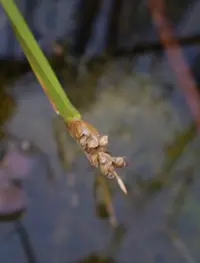
Baldwin's spikerush Care (Eleocharis baldwinii)

Also known as: Roadgrass
Baldwin's spikerush

About Baldwin's spikerush

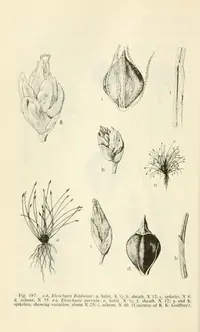
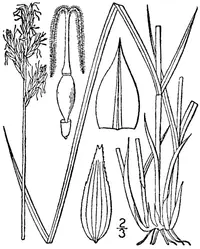
Baldwin's spikerush, Eleocharis baldwinii, is a very fine-textured, grass-like wetland plant in the sedge family. It forms low, dense mats of hair-thin, bright green stems. In nature, it occurs in shallow water, marsh edges, and wet sandy or muddy soils across the southeastern United States and parts of Central and South America. The plant stays small and spreads gradually by slender rhizomes, which makes it popular as a foreground plant in naturalistic ponds and aquariums. It is generally easy to grow if constant moisture and clean, low-nutrient substrates are provided. Understanding how to care for Baldwin's spikerush mainly involves maintaining stable water conditions and avoiding strong physical disturbance to its delicate shoots.


Main Plant Requirements

Care Difficulty

Moderate Care

Light Preference

Full Sun

Water Requirements

Aquatic

Temperature Preference

Warm Climate

Hardiness Zone

8–11

Soil Texture

Sandy, Loamy, Organic-rich

Soil pH

Acidic (5.5–6.5), Slightly acidic (6.5–7.0)

Soil Drainage

Waterlogged tolerant

Fertilization

Minimal (feed rarely)

Get Personalized Care Plan

Scan your plant to receive care tips personalized for your specific plant

Available on iOS and Android

How to Care for the Baldwin's spikerush

This fine-textured wetland sedge prefers bright conditions but tolerates some shade, especially in hot climates.

  • Provide 4–6 hours of sun daily, ideally with morning sun and light afternoon shade in areas where summers exceed 86°F (30°C).
  • Allow partial shade (2–4 hours of direct sun) in warm regions; in cooler zones it can handle full sun if soil stays constantly saturated.
  • Watch for pale, floppy shoots as a sign of too little light, and for scorched, brown tips as a sign of intense, prolonged midday sun on dry soil.

This species is adapted to marshy, saturated conditions and does poorly if allowed to dry out.

  • Maintain soil consistently saturated or with 1–5 cm of standing water; do not let the top layer dry and crack between waterings.
  • Increase water so the root zone never dries during hot, windy periods; reduce added water slightly in cool seasons but keep the substrate moist.
  • Look for crisp, browning stems as a sign of underwatering, and for soft, yellowing, foul-smelling shoots as a sign of stagnant, oxygen-poor overwatering in heavy soil.

This marsh plant prefers mild to warm conditions but can tolerate short periods of heat if kept wet.

  • Aim for 68–82°F (20–28°C) for active growth, with consistently moist or shallowly flooded soil to prevent heat stress.
  • Tolerates brief dips to about 41–45°F (5–7°C), but growth slows; extended exposure below 39°F (4°C) can damage foliage, especially without water cover.
  • Avoid hard frost and freezing of the root zone; shallow water can buffer short cold snaps, while in extreme heat above 90°F (32°C) ensure abundant water and some afternoon shade.

This marsh species needs high humidity and constant moisture to stay healthy.

  • Aim for 70–100% humidity; it thrives beside ponds, in bog gardens, or in closed aquatic setups.
  • It tolerates brief dips to 50–60% but leaf tips dry and yellow if air stays drier.
  • Crisping, browning, or collapsing fine stems signal low humidity stress in Baldwin's spikerush.
  • Increase humidity with water trays under pots, grouping plants, or partially submerging containers.

Soil for Eleocharis baldwinii should mimic a shallow, constantly wet shoreline.

  • Use fine-textured, organic-rich clay or loam with some sand so roots stay anchored yet aerated when submerged or waterlogged.
  • Keep drainage very slow; a saucer or outer cachepot that always holds water works better than fast-draining mixes.
  • A pH of 6.0–7.5 suits this species; avoid strongly alkaline or salty substrates that burn delicate roots.
  • Mix roughly 2 parts loam-based garden soil, 1 part compost, and 1 part sand, avoiding perlite that floats in aquatic setups.

This species is well suited to containers, especially shallow water bowls and pond baskets.

  • Choose wide, shallow pots so spreading rhizomes can form an even, carpet-like mat instead of crowding upward.
  • Use heavy ceramic or weighted pond baskets so the container does not tip or float when placed in water features.
  • Select containers with minimal or no drainage holes when used in aquatic setups so water levels remain consistently high.

This wetland species needs only light feeding to stay healthy in containers or nutrient-poor setups.

  • Use a diluted balanced liquid fertilizer (around 10-10-10) at 1/4–1/2 strength during active growth in spring–summer.
  • Apply every 4–6 weeks if growth looks pale or weak, especially in container-grown Baldwin's spikerush.
  • Avoid heavy or frequent feeding; excess nutrients encourage algae in aquariums and bog gardens.
  • Stop or greatly reduce fertilizer in fall–winter when growth slows or stops.

Pruning Eleocharis baldwinii is mainly about tidying and maintaining an even, healthy mat of foliage.

  • Trim yellow, brown, or decaying stems at the base whenever noticed to reduce rot and algae buildup.
  • In early spring, lightly shear overgrown or uneven clumps with clean scissors to refresh growth.
  • Remove very dense or crowded patches to improve water circulation and light penetration.
  • Disinfect cutting tools before and after use to limit disease spread in shared water systems.

This fine-leaved rush is usually transplanted or divided rather than frequently repotted.

  • Look for signs such as dense root mats, slow growth, or water flow blocked by thick clumps as cues to move or thin it.
  • Transplant or divide in spring or early summer when water temperatures are mild and growth is active.
  • Plan on resetting or thinning container or aquarium plantings about every 1–2 years to prevent overcrowding.
  • Gently tease apart root sections, keep roots continuously moist, and replant at the same depth to limit transplant shock.

Propagation is commonly done by division, as the plant spreads through fine rhizomes and forms dense mats.

  • Divide established clumps in spring or early summer when plants are actively growing.
  • Lift small sections with intact roots and rhizomes, then separate into several plugs by hand.
  • Replant plugs 2–5 cm apart in shallow, constantly moist substrate with good light.
  • Seed propagation is possible but slow; maintain consistently wet conditions and stable warmth for germination.

In mild climates this rush is fairly hardy, but extra winter care helps in colder areas, especially in containers.

  • In zones colder than USDA 7–8, sink containers into the ground or move them to a frost-free but bright area.
  • For in-ground plantings, apply a 3–5 cm mulch layer around the root zone without smothering crowns.
  • Aquarium or indoor setups can maintain growth year-round by holding water temperatures above freezing levels.

Care Tips

Maintain Water Movement

In pond or aquarium setups, use a gentle filter outflow or small circulation pump to keep water moving slowly around the clumps, which helps prevent algae buildup on the fine leaves and reduces anaerobic pockets in the substrate.

Substrate Depth Control

Limit substrate depth to about 3–5 cm and keep it relatively fine-textured (sand or fine gravel), which encourages dense matting growth and prevents older rhizomes from rotting in deep, compacted layers.

Regular Turf Renewal

Every 12–18 months, lift and divide older, crowded patches, discarding the central, declining portions and replanting vigorous outer sections to maintain a fresh, even carpet of growth.

Edge Containment Strategy

In outdoor ponds or bog gardens, plant it in shallow, rimless baskets or bottomless nursery pots sunk into the substrate to confine its spread while still allowing a natural-looking mat.

Algae-Light Management

If fine filamentous algae start to tangle in the foliage, slightly reduce direct light intensity or duration and manually comb through the clumps with gloved fingers or fine tweezers to keep the foliage clean while caring for Baldwin's spikerush.

Common Pests and Diseases

Algae overgrowth

This issue appears as green, slimy films coating the substrate, hardscape, and sometimes the fine stems. Symptoms include slower growth of the plant due to competition for light and nutrients.

Solution

Reduce light intensity or shorten the photoperiod to 6–8 hours, increase water changes, and remove as much algae as possible manually from the substrate surface. Balance nutrients and CO₂, avoid overfeeding fish, and add gentle algae grazers appropriate for the aquarium if compatible with the setup.

Filamentous algae

This problem shows as long, hair-like strands entangled among the thin leaves, often trapping debris and shading the plant. This pest can smother the fine foliage and stunt new growth.

Solution

Manually twirl and remove the strands with a toothbrush or tweezers, then correct underlying causes such as excess light, unstable CO₂, or high dissolved nutrients. Regular water changes, careful feeding, and maintaining a stable fertilization schedule help prevent regrowth when growing Baldwin's spikerush in aquariums.

Snail herbivory

These animals may graze on new, tender shoots, leaving ragged or missing tips and slow spread of the carpet. Damage is often patchy and more visible in newly planted or weakened stands.

Solution

Identify and reduce problem snail species by hand removal, snail traps, or introducing compatible snail-eating fish if appropriate for the tank. Avoid overfeeding, rinse new plants thoroughly before planting, and maintain strong plant health so new shoots can outgrow minor grazing.

Aquatic leaf spot

This disease shows as small translucent or brownish spots on the fine leaves, sometimes leading to premature melt of affected shoots. Symptoms include thinning patches in the carpet even when water parameters appear acceptable.

Solution

Trim and siphon out affected clumps to remove infected tissue, then improve water circulation and keep organic waste low with regular substrate vacuuming and water changes. Maintain stable temperature, avoid sudden parameter shifts, and quarantine new plants to reduce introduction of leaf-spotting pathogens.

Bacterial melt

This disease causes sudden softening and collapse of shoots, with stems turning mushy and disintegrating at the base. Symptoms include rapid thinning of the planted area after stress, such as transport or major parameter changes.

Solution

Remove all decaying material promptly to limit spread, increase gentle water flow, and keep ammonia and nitrite at 0 through frequent partial water changes. Stabilize temperature and CO₂, avoid overcrowding with decaying debris, and replant only healthy, firm portions once conditions are stable.

Interesting Facts

Fine needle leaves

This species forms dense mats of extremely thin, hair-like stems that are often under 1 mm thick, giving it a grass-like but very delicate appearance well adapted to shallow water and muddy substrates.

Specialized wetland habitat

It is native to the southeastern United States, where it typically grows in acidic, nutrient-poor wetlands such as bogs, wet savannas, and shallow pond margins, contributing to soil stabilization in these fragile ecosystems.

Submerged and emersed forms

In nature and in cultivation, it can grow both fully submerged and with its foliage above water, and its growth form and density change noticeably depending on water depth and flow.

Botan icon

Did you know?

This species is one of the smallest sedges in North America, forming low, fine-textured carpets that are so short and delicate they are sometimes overlooked entirely in the field unless carefully searched for among mosses and other tiny wetland plants.

FAQs about Baldwin's spikerush

This species spreads steadily by creeping rhizomes in wet soil or shallow water, forming dense mats over time. It is not usually invasive in managed gardens but can fill small ponds or containers if not divided.

Grow Healthy Plants with Botan Care

Keep your plants happy and healthy with plant identification, disease detection, and easy care guidance.

Botan plant care app — identify plants on mobile

Explore More Plants