Staggered Succession Sowing
Sow small batches of seed every 2–3 weeks at the start of the warm season so flowering is staggered and you have fresh, vigorous plants replacing older, spent ones through summer.

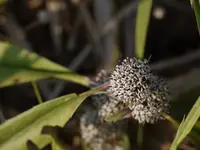
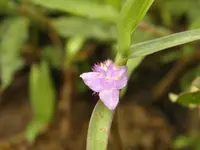
Pink node flower, Caesulia axillaris, is a small annual herb from wetland and rice-field habitats in South and Southeast Asia. It often forms low, branching clumps with many small, soft green leaves. Clusters of pink to purplish flower heads appear at the stem nodes, giving the plant its common name. In the garden or a container, it suits informal, naturalistic plantings where moist soil can be maintained. It is generally considered easy to grow if given consistent moisture and a warm growing season. Understanding how to care for Pink Node Flower mainly involves matching its preference for sun and damp, fertile soil without prolonged drying.

Care Difficulty
Moderate Care

Light Preference
Full Sun

Water Requirements
Keep Soil Moist

Temperature Preference
Warm Climate

Hardiness Zone
10–12

Soil Texture
Loamy, Silty, Organic-rich

Soil pH
Acidic (5.5–6.5), Slightly acidic (6.5–7.0)

Soil Drainage
Waterlogged tolerant

Fertilization
Minimal (feed rarely)
Scan your plant to receive care tips personalized for your specific plant
Available on iOS and Android
This sun-loving annual performs best with strong, consistent light in open sites.
This species prefers steadily moist but not waterlogged soil, especially during active growth and flowering.
This warm-season annual grows best in consistently mild to hot conditions without frost exposure.
This species grows best in moderately humid conditions but adapts to a range of household and outdoor levels.
This species prefers moist, well-structured soil that drains freely yet retains some consistent moisture.
This species can be grown in containers when provided with enough root room and reliable drainage control.
Caesulia axillaris is a modest feeder, so light, balanced nutrition is sufficient for healthy growth of Pink Node Flower in average garden soil.
Caesulia axillaris responds well to light pruning that maintains a compact, flowering habit.
This species is more often grown in the ground than in pots, so focus on careful transplanting rather than frequent repotting.
Caesulia axillaris is most commonly propagated from seed, which allows straightforward production of many plants.
In mild to warm climates, Caesulia axillaris generally needs minimal winter care when grown outdoors in the ground.

Plant Health Check
Not sure what's wrong with your plant? Check your plant's health inside the app.
This species naturally occurs in seasonal wetlands, rice paddies, and moist field margins across South and Southeast Asia, where it is adapted to short-term waterlogging followed by drier periods.
Its small pink flower heads are borne in the leaf axils (the angle between stem and leaf), giving the plant a distinctive nodding appearance compared with many other members of the Asteraceae family.
In traditional rice-growing landscapes, this plant often appears as a spontaneous component of the paddy flora and can provide nectar for small pollinating insects during and after the rice growing season.
This species self-seeds readily in warm, open, moist sites and can form loose colonies, but it is not usually considered highly aggressive. Regular deadheading and removing unwanted seedlings help keep growth within bounds in small gardens.
Keep your plants happy and healthy with plant identification, disease detection, and easy care guidance.