Encourage Dense Trails
Pinch back soft stem tips every 4–6 weeks during active growth to encourage side shoots, creating a denser, more compact mat rather than a few long, stringy vines.

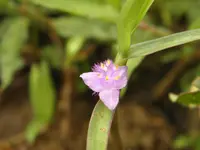
Creeping cradle plant (Cyanotis axillaris) is a small, trailing herb from the spiderwort family, valued for its dense, cascading stems and soft, fuzzy leaves. It often forms low mats or hanging curtains, which makes it suitable for pots, hanging baskets, and as a groundcover in warm climates.
In nature, it grows in tropical and subtropical regions of Asia, typically in open, seasonally moist habitats. Its resilient growth and ability to recover from brief neglect make it relatively easy to grow for most home gardeners.
The plant generally prefers bright, indirect light, well‑drained soil, and moderate moisture, which simplifies how to care for Creeping Cradle Plant in typical indoor conditions.

Care Difficulty
Easy Care

Light Preference
Partial Shade

Water Requirements
Moderate Water

Temperature Preference
Tropical / Frost Sensitive

Hardiness Zone
10–12

Soil Texture
Loamy, Sandy, Organic-rich

Soil pH
Acidic (5.5–6.5), Slightly acidic (6.5–7.0)

Soil Drainage
Moist but well-drained

Fertilization
Light (every 4–6 weeks)
Scan your plant to receive care tips personalized for your specific plant
Available on iOS and Android
This species prefers bright, indirect light with some direct morning sun for compact growth.
Cyanotis axillaris prefers evenly moist but not saturated soil that dries slightly between waterings.
This plant grows best in warm, frost-free conditions with only modest temperature fluctuations.
This species grows well in typical indoor humidity but benefits from slightly moist air in heated homes.
Cyanotis axillaris prefers a loose, airy substrate that drains quickly yet holds modest moisture.
This species is well suited to container culture, especially shallow, wide pots that match its creeping habit.
Cyanotis axillaris responds well to light, consistent feeding during its active growing season.
Cyanotis axillaris benefits from modest, targeted pruning to keep growth dense and healthy.
Container-grown Cyanotis axillaris appreciates occasional repotting to refresh soil and manage vigorous roots.
Cyanotis axillaris is commonly multiplied by stem cuttings and division under warm, bright conditions.
Cyanotis axillaris is frost tender and needs careful winter management in cooler climates.

Plant Health Check
Not sure what's wrong with your plant? Check your plant's health inside the app.
This species belongs to the Commelinaceae, the spiderwort family, and shares its characteristic fleshy, jointed stems and 3-petaled flowers, usually blue to violet, which are adapted to attract small insect pollinators in its native habitats.
In the wild, this plant forms low, creeping mats along the ground or over rocks and walls, rooting at the nodes of its stems and helping stabilize soil on disturbed or sloping sites.
The leaves and stems often have fine hairs that can trap a thin layer of air and moisture, which helps reduce water loss and can provide slight protection against intense sun in open habitats.
This species is a creeping, spreading groundcover. Stems root at the nodes where they touch soil, gradually forming a dense mat. It does not climb, but trails over pot edges or along the surface in beds.
Keep your plants happy and healthy with plant identification, disease detection, and easy care guidance.