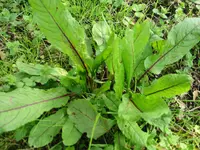
English Scurvygrass Care (Cochlearia anglica)

English Scurvygrass

About English Scurvygrass

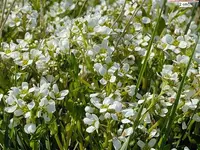
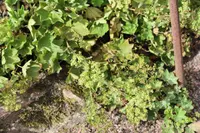
English scurvygrass, Cochlearia anglica, is a small perennial herb from coastal areas of Europe, especially salt marshes, shingle shores, and sea cliffs. It forms low rosettes of fleshy, spoon-shaped leaves and produces short stems with clusters of small white, four-petaled flowers.

This plant is naturally adapted to salty, windswept environments and nutrient-poor substrates, which makes it tough but quite specialized. Gardeners who want to care for English Scurvygrass usually grow it in rock gardens, coastal-style plantings, or containers with cool conditions, moist but well-drained soil, and plenty of light.

Because it is adapted to a narrow niche, it is not a typical houseplant and can be more challenging to maintain away from cool, maritime climates.


Main Plant Requirements

Care Difficulty

Moderate Care

Light Preference

Full Sun

Water Requirements

Keep Soil Moist

Temperature Preference

Cold Hardy

Hardiness Zone

6–9

Soil Texture

Sandy, Loamy, Silty

Soil pH

Slightly acidic (6.5–7.0), Neutral (7.0)

Soil Drainage

Waterlogged tolerant

Fertilization

Minimal (feed rarely)

Get Personalized Care Plan

Scan your plant to receive care tips personalized for your specific plant

Available on iOS and Android

How to Care for the English Scurvygrass

This coastal species prefers cool, bright conditions with protection from intense midday sun.

  • Provide 4–6 hours of sun daily, favoring morning or late-afternoon sun with light shade at midday, especially inland away from sea fog.
  • Allow open exposure in cool, cloudy, or coastal sites; in hotter regions, use dappled or filtered light to prevent leaf scorch and wilting.
  • Watch leaf color and growth: pale, stretched stems suggest insufficient light, while crisped or bleached patches indicate too much direct sun, particularly in summer.

This plant favors consistently moist, cool soil and does not tolerate drying out for long.

  • Aim for soil that stays evenly moist; in the top 2–3 cm, it should feel damp but not soupy when pinched between fingers.
  • Use soil or a coastal bed with good drainage so water drains within a few minutes; pooling around roots increases risk of rot and yellowing leaves.
  • Increase watering during warm, windy weather, reducing slightly in cool seasons; limp, dull foliage suggests underwatering, while soft, blackened stems indicate overwatering, even for Cochlearia anglica.

This species is adapted to cool, maritime climates and handles cold far better than heat.

  • Best growth occurs around 45–65°F (7–18°C), typical of mild coastal conditions with cool summers and frost-free or light-frost winters.
  • Plants tolerate down to about 20°F (-6°C), especially with good drainage; prolonged hard freezes below this can damage crowns and reduce regrowth.
  • Heat above 75°F (24°C), especially with dry air, can cause stress; provide shade and extra moisture during hot spells and avoid planting in heat-trapping sites.

This coastal species tolerates a wide humidity range but prefers moderately moist air.

  • Aim for 50–70% humidity, similar to cool, maritime air, without large daily swings.
  • Dry indoor air below 40% can cause leaf edge crisping and slower growth.
  • Increase humidity with a nearby open tray of water and pebbles or by grouping plants, while still keeping foliage well ventilated.

This plant prefers cool, moist, sharply drained, mineral-rich soils.

  • Use a mix of 40% sandy loam, 40% coarse sand or fine grit, and 20% compost to mimic coastal substrates for Cochlearia anglica.
  • Ensure very free drainage so the mix stays moist but never stagnant, especially in the root zone.
  • Keep pH slightly acidic to neutral (pH 6.0–7.2), avoiding strongly acidic or alkaline extremes that limit nutrient uptake.
  • Improve aeration and drainage by avoiding fine peat-heavy mixes that compact and hold water around the roots.

This species can be grown in containers if the root zone stays cool and sharply drained.

  • Choose a wide, relatively shallow pot to accommodate its fibrous roots while preventing deep, waterlogged zones.
  • Use a heavy or stabilized container in exposed sites so coastal winds do not tip the plant over.
  • Raise the pot slightly on feet or blocks so drainage water clears quickly and the base does not sit in a puddle.

This coastal perennial usually needs minimal feeding, especially in nutrient-rich or saline soils.

  • In poor or sandy soils, apply a light dressing of compost in early spring to support new growth.
  • Use a low-strength balanced NPK fertilizer at 1/4–1/2 label rate if growth appears weak or pale.
  • Feed at most once per month during active growth, then stop in fall and winter to avoid soft, cold-sensitive tissue.

Pruning Cochlearia anglica is mainly done to maintain vigor and prevent overcrowding in small plantings.

  • Trim back spent flower stems after blooming to reduce self-seeding and keep plants compact.
  • Remove dead, yellowing, or storm-damaged leaves whenever noticed to limit disease and rot.
  • In late winter or early spring, lightly thin crowded rosettes using clean scissors or snips to improve air flow.

This species is more often transplanted in the ground than kept long-term in containers.

  • Transplant young plants in early spring or early fall, when temperatures are mild and soil is moist.
  • Move plants if growth stalls, clumps become congested, or roots circle in a pot and emerge from drainage holes.
  • Lift with a generous soil ball, disturbing roots as little as possible, then replant at the same depth in well-drained, gritty soil.
  • Water thoroughly after transplanting, then keep evenly moist for 1–2 weeks to reduce stress and support root re-establishment.

Seed is the most practical method for expanding small plantings of Cochlearia anglica.

  • Sow fresh seed in late summer or early fall in trays or directly outdoors in a cool, maritime-type site.
  • Use a gritty, well-drained substrate, keeping it consistently moist but not waterlogged during germination.
  • Provide cool conditions around 50–60°F and bright, indirect light to encourage steady, compact seedling growth.

This coastal species is generally cold hardy in mild to cool temperate climates and needs little winter attention.

  • In exposed gardens, apply a thin mulch layer around, not over, crowns to buffer repeated freeze–thaw cycles.
  • Ensure soil drainage remains good, since saturated winter soils increase root and crown rot risk.
  • Container-grown English Scurvygrass can be moved to a cold, bright, sheltered spot to limit wind and waterlogging.

Care Tips

Salinity management

If growing near the coast or in a salty garden bed, periodically leach the soil with fresh water to avoid excessive salt buildup that can damage roots, while still allowing this halophyte to benefit from slightly saline conditions.

Compact clump renewal

Every 2–3 years, lift and gently divide congested clumps in early spring, replanting only the healthiest outer sections to maintain vigorous growth and a dense, tidy patch.

Coastal wind buffering

In very exposed sites, install low windbreaks such as short mesh fencing or planting in the lee of rocks to reduce leaf scorch and mechanical damage while still providing good airflow.

Targeted slug protection

Use physical barriers such as copper tape around pots or sharp mineral mulches around plants in the ground to reduce slug and snail damage to young, tender leaves.

Seed bank maintenance

Allow a portion of healthy plants to flower and set seed each year, then lightly disturb the soil surface in late summer to encourage natural reseeding and long-term population stability when caring for English Scurvygrass.

Common Pests and Diseases

Downy mildew

This disease causes pale yellow patches on upper leaf surfaces with grey to white fuzz on the undersides, especially in cool, moist, salty habitats. Symptoms include distorted foliage and gradual decline in vigor.

Solution

Remove and discard heavily affected leaves to reduce inoculum, avoid prolonged overhead watering in cultivation, and improve air movement around plants. In nursery or garden settings, keep foliage dry where possible and use a phosphonate or copper-based fungicide labeled for downy mildew on brassicas if outbreaks persist, following all label restrictions near coastal or salt-affected sites.

Blackleg

This disease produces dark, sunken lesions at the stem base and on lower leaf petioles, which can lead to lodging and plant death in wet, cool conditions. Symptoms include yellowing foliage above the lesion and poor stand persistence.

Solution

Discard or destroy infected plants to limit spread and avoid reusing contaminated soil or debris. In managed plantings, rotate away from other brassicas, avoid deep wounding at the collar, and if needed use seed or transplants from reputable sources with disease-control measures already in place as part of Cochlearia anglica care instructions.

Clubroot

This disease causes swollen, club-like roots that interfere with water and nutrient uptake, especially in acidic, wet substrates. Symptoms include wilting in sun, stunting, and pale foliage despite adequate moisture.

Solution

Remove and destroy affected plants including as much root material as possible, and do not compost the remains. Improve drainage, avoid planting other brassicas in the same site for several years, and if growing in containers, replace the potting mix and disinfect containers before replanting.

Flea beetles

These insects chew many small round holes in leaves, giving foliage a shot-hole or peppered appearance, especially on young plants. This pest is most active in warm, dry weather and can quickly weaken seedlings and small rosettes.

Solution

Use floating row covers or fine insect netting to physically exclude adults from young plants and remove nearby brassica weeds that act as reservoirs. In small plantings, gently wash foliage and hand-pick where possible, and if damage remains severe, apply a low-impact insecticide such as neem or pyrethrin targeted to flea beetles, following label directions and avoiding spray drift into natural coastal vegetation.

Cabbage aphids

These insects form dense, grey-green colonies on young shoots and leaf undersides, often covered in a waxy coating. This pest weakens plants by sucking sap and can cause leaf curling and sticky honeydew deposits that support sooty mold.

Solution

Rinse colonies off with a firm stream of water and remove heavily infested shoots where practical. Encourage natural predators such as lady beetles, and when populations remain high, use insecticidal soap or horticultural oil thoroughly on affected areas, repeating as needed and avoiding treatments during intense sun or high temperature to prevent leaf burn.

Interesting Facts

Natural coastal halophyte

This species is naturally restricted to salty Atlantic and North Sea coasts, where it grows on upper saltmarshes, shingle, and muddy shores regularly influenced by sea spray and tidal flooding.

Historical antiscorbutic use

Sailors and coastal communities once valued its very high vitamin C content and used the fresh leaves as an antiscorbutic food to prevent or treat scurvy long before synthetic vitamin C was available.

Specialized European range

Its distribution is focused along the Atlantic coasts of western and northern Europe, and it is considered regionally scarce or declining in some areas due to coastal habitat loss and modification.

Botan icon

Did you know?

Cochlearia anglica is a classic example of a plant adapted to cold, maritime climates, remaining evergreen and able to photosynthesize at low temperatures when many other coastal herbs are dormant, which helps it exploit the short growing windows between frequent tidal and weather disturbances.

FAQs about English Scurvygrass

Leaves and young shoots are edible and historically provided vitamin C to prevent scurvy. They have a sharp, mustard-like flavor. Only harvest from unpolluted, chemical-free areas and use sparingly if you have a sensitive stomach.

Grow Healthy Plants with Botan Care

Keep your plants happy and healthy with plant identification, disease detection, and easy care guidance.

Botan plant care app — identify plants on mobile

Explore More Plants