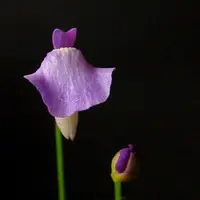
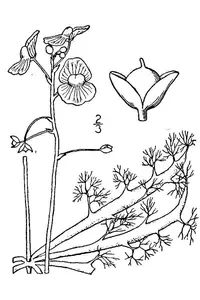
watershield Care (Brasenia schreberi)

watershield

About watershield

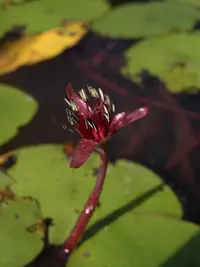
Watershield (Brasenia schreberi) is a floating aquatic plant found in still or slow-moving freshwater such as ponds, lakes, and quiet backwaters. It forms round, lily-like leaves that sit on the water surface.

The leaves have a smooth upper side and a gelatinous coating beneath, which helps repel insects and algae. Small, understated flowers appear above the water in warm months.

This species is native to parts of North America, Asia, and Australia and can spread steadily in suitable conditions. For those who want to care for watershield, it prefers calm, unshaded water, a rich muddy bottom, and stable conditions without strong currents or frequent disturbance.

Main Plant Requirements

Care Difficulty

Moderate Care

Light Preference

Full Sun

Water Requirements

Aquatic

Temperature Preference

Cool Climate

Hardiness Zone

4–10

Soil Texture

Loamy, Silty, Organic-rich

Soil pH

Acidic (5.5–6.5), Slightly acidic (6.5–7.0)

Soil Drainage

Waterlogged tolerant

Fertilization

Minimal (feed rarely)

Get Personalized Care Plan

Scan your plant to receive care tips personalized for your specific plant

Available on iOS and Android

How to Care for the watershield

This aquatic plant prefers stable, bright conditions over shallow ponds or still water.

  • Provide 4–6 hours of direct morning sun with light afternoon shade; full sun all day can scorch floating leaves in hot climates.
  • Tolerates partial shade (around 3–4 hours direct sun) but growth and flowering may slow if light drops below this level.
  • In temperate regions, ensure Brasenia schreberi receives more open sun in spring and fall, as low sun angle and shorter days reduce light intensity.

Brasenia schreberi is a true aquatic species that grows rooted in saturated substrates under standing water.

  • Maintain 15–60 cm of still or very slow-moving water above the rhizomes; the soil below should remain permanently saturated, never exposed or drying out.
  • Use a heavy, loamy pond substrate that resists floating; avoid fast-draining potting mixes that allow water to flush away too quickly.
  • Watch leaves for signs of stress: yellowing or browning edges can indicate water quality problems, while wilting or curling may follow temporary drawdowns or exposure of the root zone.

This species thrives in temperate to warm outdoor ponds with moderate seasonal variation.

  • Optimal growth occurs around 68–82°F (20–28°C), when rhizomes and leaves expand quickly and new pads form regularly at the surface.
  • Dormant rhizomes can usually survive brief dips to about 32°F (0°C) under ice if submerged, but repeated hard freezes into exposed mud increase winter loss risk.
  • In hot summers above 90°F (32°C), ensure sufficient water depth and some afternoon shade so water temperature stays buffered and leaves do not overheat.

This aquatic species relies on high ambient moisture rather than typical room humidity.

  • Target air humidity around 60–80% near ponds or water features for stable growth.
  • It tolerates brief drier air if roots and leaves remain in or directly above open water.
  • Low humidity combined with receding water can cause leaf edge browning and thinner mucilage on watershield pads.
  • Increase ambient humidity outdoors by maintaining constant water level and limiting strong, drying wind exposure.

Brasenia schreberi grows rooted in submerged, fine, organic-rich sediments rather than conventional potting soil.

  • Use a heavy clay or clay-loam base with 30–50% well-decayed organic matter such as leaf mold or composted manure.
  • Soil should stay fully submerged and slow-draining, forming a stable, soft layer 10–20 cm deep at the container or pond bottom.
  • Aim for slightly acidic water-contact pH around 5.5–6.8, avoiding strongly alkaline conditions that reduce vigor.
  • Avoid coarse, sandy, or highly aerated mixes; they float, disperse in water, and prevent secure rhizome anchoring.

This species can be grown in containers when used as submerged baskets or tubs within a pond or water feature.

  • Choose wide, low baskets so rhizomes can spread horizontally without crowding while staying fully submerged.
  • Line mesh baskets with a thin layer of burlap or similar fabric to keep fine sediment from escaping into the pond water.
  • Use a heavy, stable container or add rocks on top of the soil layer to prevent tipping or floating as foliage expands.

Brasenia schreberi grown in natural or nutrient-rich ponds usually needs little added fertilizer.

  • In lined ponds or containers with poor substrate, apply a slow-release aquatic fertilizer once in spring as growth begins.
  • Use a balanced NPK tablet or pellet pushed into the soil, not broadcast into open water, to reduce algae growth.
  • Keep dosage modest, often half the manufacturer’s rate, and avoid midsummer overfeeding to maintain stable water quality.
  • Do not fertilize dormant plants in cold water; resume mild feeding only when new leaves emerge in spring.

Pruning Brasenia schreberi focuses on cleanliness and maintaining healthy leaf cover rather than shaping.

  • Inspect plants during the growing season and after storms, removing yellowing, torn, or pest-damaged leaves at the base.
  • Skim off floating debris and spent flowers to limit decay in the water and maintain good light and gas exchange.
  • Thin overcrowded pads in late spring or early summer so remaining leaves receive adequate light and reduce fungal issues.
  • Use clean scissors or a pond knife, cutting just above the rhizome and avoiding unnecessary disturbance of underwater stems.

Transplanting watershield is mainly relevant when establishing or renewing plants in lined ponds or tubs.

  • Plan moves for late spring to early summer when water is warming and plants resume active growth.
  • Look for slow spread, weak leaves, or rhizomes pressing against container edges as signs that more space or fresh substrate is needed.
  • Lift clumps gently, keeping as much mud and root mass attached as possible to limit transplant shock.
  • Replant rhizomes horizontally in heavy loam, submerge to the recommended depth, and keep water calm for several days after moving.

Propagation of Brasenia schreberi is usually done by division rather than seed in home ponds.

  • Divide established rhizome clumps in late spring when new growth buds are visible and water temperatures rise.
  • Use a clean knife to cut sections with several buds and healthy roots, discarding soft or decayed pieces.
  • Plant divisions into heavy loam in baskets or pond shelves, then submerge gradually to final depth.
  • Seed propagation is slow and requires consistent warm water and clean, shallow conditions for germination.

In many temperate regions Brasenia schreberi is cold hardy and usually needs minimal winter care once established.

  • In outdoor ponds, allow plants to die back naturally; rhizomes overwinter under water if depth prevents complete freezing.
  • Avoid disturbing the muddy root zone in late fall so insulated sediment protects storage tissues.
  • For shallow tubs in colder climates, move containers to a frost-free but cool location where water does not freeze solid.

Care Tips

Depth management

Keep rhizomes in wide, shallow containers so the growing tips sit 15–30 cm below the water surface, then gradually lower the container as leaves expand to avoid stressing new growth.

Water turnover control

Use a gentle pump or place containers in the quiet edge of a pond so there is slow water movement, since strong currents or splashing interfere with leaf spread and the plant’s protective gelatinous coating.

Nutrient monitoring

In lined ponds or tubs, test water periodically for nitrate and phosphate, and supplement with a balanced aquatic fertilizer only when levels are very low to maintain steady growth without encouraging algal blooms.

Seasonal thinning

In late summer, remove crowded or overlapping pads and older, shaded leaves with clean scissors to improve light penetration and reduce fungal issues on decaying tissue.

Wildlife and pest balance

Allow limited access for koi or goldfish to control mosquito larvae, but prevent heavy herbivory by large fish or ducks with mesh barriers, which is important for stable long-term results when growing watershield.

Common Pests and Diseases

Leaf-mining larvae

This pest feeds within the leaf tissue, creating irregular tunnels and blotches in the floating leaves. Symptoms include distorted, thinned, or translucent patches that can reduce photosynthesis and overall vigor.

Solution

Remove and discard heavily mined leaves to reduce the larval population and break the life cycle. For persistent problems, encourage or introduce natural predators such as aquatic beetles or fish that feed on larvae, and avoid excessive nutrient loading that can favor high insect populations when growing watershield in ornamental ponds.

Water lily aphids

These insects cluster on young leaves, buds, and petioles above the water surface, sucking sap and causing curling, yellowing, or stunted growth. Honeydew deposits can make leaves sticky and promote sooty mold on the leaf surface.

Solution

Spray colonies off with a strong stream of clean water directed at the above-water portions of the plant, taking care not to disturb rhizomes. In outdoor ponds, encourage natural predators such as lady beetles and lacewings, and avoid high-nitrogen fertilization that promotes soft, aphid-prone growth.

Leaf spot

This disease causes small to medium brown or dark spots on the floating leaves, sometimes with yellow halos and eventual tissue breakdown. Severe infections can weaken plants and reduce the density of the leaf mat on the water surface.

Solution

Promptly remove and discard affected leaves to reduce the source of fungal or bacterial spores, and avoid splashing contaminated water onto healthy foliage. Maintain good water quality with moderate nutrient levels, and if the problem recurs each season, thin crowded stands to improve water movement and reduce humidity around leaves.

Herbivory by aquatic snails

These animals feed on tender leaf surfaces and young shoots, leaving irregular holes or shredded areas in floating leaves. Damage can be significant in small ponds where snail numbers are high and plant coverage is limited.

Solution

Hand-pick snails from leaves and pond edges on a regular schedule, and reduce hiding places such as thick debris or excess submerged vegetation. In suitable outdoor systems, consider introducing natural predators like certain fish species that feed on snails, while avoiding chemical molluscicides that can harm fish and beneficial invertebrates.

Interesting Facts

Underwater jelly coating

The leaves, buds, and young stems are covered in a thick mucilage, a jelly-like secretion that reduces herbivory, resists pathogens, and helps shed particles from the leaf surface.

Ancient relict lineage

This species belongs to an old, evolutionarily isolated lineage of aquatic plants, with fossil pollen and leaf impressions indicating the genus has persisted with similar morphology since at least the Cretaceous period.

Global but fragmented range

Although native to North America, East Asia, India, and parts of Australia, it occurs in scattered, often isolated populations and can be rare or declining where wetlands have been drained or degraded.

Botan icon

Did you know?

In parts of East Asia, especially Japan and China, the gelatinous young leaves and buds of this species are traditionally harvested as a vegetable, valued for their slippery texture and used in dishes such as soups and salads.

FAQs about watershield

This species spreads steadily through rhizomes and self-seeding, often forming dense floating mats. In small ponds it can become dominant. Regular thinning and removing seed pods help keep coverage in check and maintain open water.

Grow Healthy Plants with Botan Care

Keep your plants happy and healthy with plant identification, disease detection, and easy care guidance.

Botan plant care app — identify plants on mobile

Explore More Plants