little floating bladderwort Care (Utricularia radiata)

Also known as: Small Swollen Bladderwort
little floating bladderwort

About little floating bladderwort

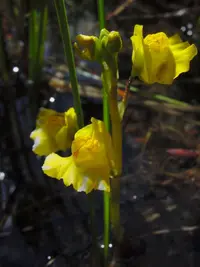
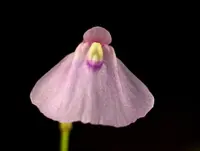
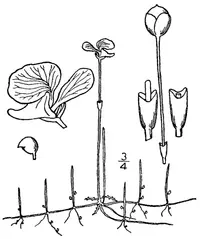
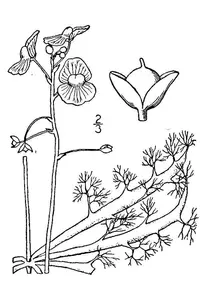
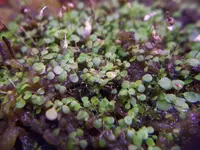
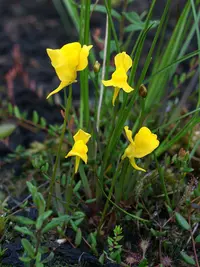
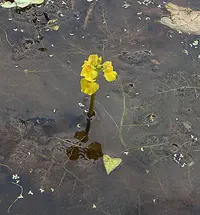
Little floating bladderwort, Utricularia radiata, is a small aquatic carnivorous plant that drifts freely near the water surface. It produces fine, threadlike stems with tiny bladder traps and delicate yellow snapdragon-like flowers held above the water. This species occurs naturally in nutrient-poor ponds, lakes, and quiet waterways in parts of eastern North America. It captures microscopic aquatic animals, which supply much of its nutrition and make it sensitive to pollution and water quality changes. Growing it in cultivation can be challenging, as it prefers clean, still water and low-nutrient conditions. Understanding these natural habits helps clarify how to care for little floating bladderwort successfully in artificial ponds or containers.

Main Plant Requirements

Care Difficulty

Hard Care

Light Preference

Full Sun

Water Requirements

Aquatic

Temperature Preference

Warm Climate

Hardiness Zone

7–11

Soil Texture

Sandy, Peaty, Organic-rich

Soil pH

Strongly acidic (4.5–5.5), Acidic (5.5–6.5)

Soil Drainage

Waterlogged tolerant

Fertilization

Minimal (feed rarely)

Get Personalized Care Plan

Scan your plant to receive care tips personalized for your specific plant

Available on iOS and Android

How to Care for the little floating bladderwort

This aquatic carnivorous plant thrives in bright, open conditions that mimic sunny, shallow wetlands.

  • Provide 6–8 hours of direct sun, ideally strong morning to early afternoon light, to support dense floating leaf rosettes and active trap formation.
  • Tolerates light afternoon shade, but persistent shade reduces growth and flowering of little floating bladderwort and can lead to pale, weak foliage.
  • In hot regions, protect from intense late-afternoon sun with taller plants or light tree cover to limit overheating and algae growth in the water.

Utricularia radiata grows as a free-floating aquatic plant and depends on stable, clean, low-nutrient water rather than soil moisture.

  • Maintain constant water coverage of at least 15–30 cm depth, with no exposed roots or stolons, and avoid fluctuating water levels that leave plant parts stranded.
  • Use soft, low-mineral water such as rainwater or reverse-osmosis water; hard, nutrient-rich water encourages algae and can weaken traps.
  • Watch for yellowing or decaying segments as a sign of poor water quality or stagnation; refresh part of the water and gently remove decomposing material.

This species prefers warm, frost-free conditions that resemble shallow, sun-warmed ponds.

  • Aim for 70–85°F (21–29°C) during the growing season, when floating growth and trap activity are strongest in calm, sunlit water.
  • Avoid temperatures below 50°F (10°C); short dips to 45°F (7°C) may be tolerated, but any frost can kill exposed tissues and should be prevented.
  • In hot spells above 90°F (32°C), provide some afternoon shade and maintain water depth so the water column buffers sudden temperature spikes.

This aquatic carnivorous species prefers consistently high humidity in line with its marshy, pond-edge habitat.

  • Aim for 70–100% humidity when grown in trays, tubs, or aquaria, matching warm, still-water conditions.
  • It tolerates brief dips to 50–60% humidity but foliage may yellow or dry at the tips if air stays too dry.
  • Leaf tip browning, stalled growth, and smaller bladders signal humidity stress; increase humidity by using covered tubs, aquarium lids, or groupings of water-filled containers around little floating bladderwort.

Utricularia radiata naturally grows as a free-floating or loosely anchored aquatic plant, so it does not need traditional soil.

  • Use nutrient-poor, peat-based aquatic setups such as a shallow tray or tub with rainwater, distilled water, or reverse-osmosis water above a thin layer of rinsed peat or sphagnum debris.
  • Avoid mineral-rich substrates, regular potting mixes, or fertilized aquatic soils, which can burn delicate tissues and encourage algae and cyanobacteria growth.
  • If anchoring is desired, provide only a very loose, fine organic layer (mostly milled peat or long-fiber sphagnum fragments) so water remains soft, acidic (around pH 5–6.5), and well oxygenated.
  • Maintain gentle water movement or periodic water changes instead of heavy substrates to keep oxygen levels adequate and prevent anaerobic, foul-smelling conditions.

This species is suitable for container culture in shallow ponds, tubs, or aquaria rather than standard pots.

  • Choose wide, shallow containers to maximize warm surface water where the radiating float structures can spread without crowding.
  • Use light-colored or insulated tubs outdoors to reduce overheating and large temperature swings in shallow water columns.
  • Ensure container rims are high and stable so wind or curious animals cannot easily tip out the floating plant mat and its supporting water layer.

Utricularia radiata grows in nutrient-poor water and generally needs no added fertilizer in cultivation.

Pruning Utricularia radiata focuses on hygiene and light control rather than shaping.

  • Trim off dead or decaying stems and leaves at any time using clean scissors to maintain water quality.
  • Remove overcrowded or tangled sections during peak growth to keep light reaching healthy foliage and traps.
  • Cut floating mats back slightly after flowering if they shade other aquatic plants or block water movement.

Transplanting this aquatic carnivorous plant is mainly about relocating healthy shoots into suitable shallow water.

  • Move plants in late spring or early summer when water is warm and growth is active.
  • Transplant when growth forms dense mats, stagnates, or when stems tangle heavily at the surface.
  • Gently lift sections with intact stems and bladders; avoid squeezing or drying the delicate tissue.
  • Place stems in new, nutrient-poor, still or slow-moving water and minimize disturbance for several days.

Propagation of this floating bladderwort relies on vegetative spread rather than complex techniques.

  • Use stem division in late spring or summer when plants are actively growing and buoyant.
  • Gently separate healthy, branching stem sections with many bladders and some young shoots attached.
  • Transfer divisions into clean, nutrient-poor, shallow water with full sun to light shade.
  • Seed propagation is possible but slow; maintain consistently warm water and still conditions for germination.

In mild climates, little floating bladderwort often survives winter with minimal attention if water does not freeze solid.

  • In temperate outdoor ponds, ensure plants remain in unfrozen zones or deeper pockets of water.
  • In colder regions, move container-grown colonies indoors to an unheated but frost-free area.
  • Maintain cool, clean water with lower light and accept some dieback, allowing regrowth from surviving fragments in spring.

Care Tips

Use Shallow Tubs

Grow colonies in wide, shallow tubs or trays 10–20 cm deep so the radiating floats can spread horizontally and receive uniform light without crowding other aquatic plants.

Provide Clean Rainwater

Top up and refresh the container regularly with collected rainwater or reverse-osmosis water to prevent mineral buildup that can damage the delicate bladder traps and reduce feeding efficiency.

Control Companion Species

Limit fast-growing algae and free-floating plants by periodically skimming the water surface so this species is not shaded or outcompeted for space.

Seasonal Dormancy Management

In cooler regions, overwinter the plant indoors under lights in an unheated room (around 45–55°F) to maintain a slow growth phase instead of letting the colony die back fully outdoors.

Encourage Natural Prey

Position outdoor tubs near other potted plants or damp areas so mosquito larvae and small aquatic invertebrates colonize the water, which supports the plant’s nutrition when caring for little floating bladderwort.

Common Pests and Diseases

Algal overgrowth

This issue appears when nutrient-rich, still water allows algae to form dense green films that shade and smother the plant. Symptoms include reduced growth, paler foliage, and fouling of the fine stolons and bladders.

Solution

Limit excess nutrients by avoiding fish food, fertilizers, or decaying organic matter in the water, and perform partial water changes to dilute nutrients. Manually remove algae with a net or siphon and, if grown in containers, provide bright light but avoid direct, intense sun that overheats shallow water, since stable, cooler water slows algal blooms.

Filamentous cyanobacteria

This problem shows as slimy blue-green to dark strands coating stems, bladders, and water surfaces, sometimes with a musty odor. These microorganisms can trap and stress the plant, blocking light and reducing gas exchange.

Solution

Siphon or gently twirl and lift out as much of the slime as possible, then reduce nutrients by refreshing water and removing any decomposing plant matter. Increase circulation with gentle aeration and maintain lower stocking densities of animals in shared ponds or tubs to prevent nutrient spikes that favor cyanobacteria.

Aquatic snails

These pests may graze on delicate stolons and leaf-like structures, especially in confined containers, leading to ragged or missing segments. This pest can also foul the habitat with waste, further stressing the plant in small volumes of water.

Solution

Hand-pick snails or trap them using pieces of lettuce or other leafy bait left overnight and removed in the morning. In contained setups, quarantine new plants and equipment to avoid introducing snails, and use fine mesh or covers on inlets to reduce snail entry while maintaining water movement.

Water mites

These tiny arthropods sometimes congregate on fine stems and traps, where they can irritate tissues and interfere with normal function. Symptoms include reduced vigor, slowed spread, and occasional localized discoloration or deformity of the delicate structures.

Solution

Rinse affected plants gently in clean, low-nutrient water to dislodge mites, and refresh or replace the water in small containers to break their life cycle. If populations persist in an ornamental pond, encourage natural predators such as small fish in larger systems while keeping stocking and feeding light enough to avoid nutrient buildup that harms the plant.

Fungal mildew on emergent parts

This disease appears when floating stems or support structures remain constantly wet in warm, stagnant air, leading to thin white or gray films on any above-water tissue or supporting debris. Symptoms include localized browning or collapse of affected emergent sections, although submerged parts may remain healthy.

Solution

Improve air movement over the water surface and reduce overcrowding of vegetation to lower humidity pockets around emergent growth. Remove and discard affected plant fragments or support materials, and if the problem recurs in containers, lower water depth slightly or adjust plant positioning so that only the floating whorls and traps remain at the surface with better ventilation.

Interesting Facts

Buoyant floral whorls

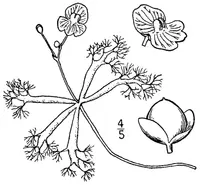
This species forms distinctive floating whorls of inflated leaf-like structures beneath each flower stalk that act as natural flotation devices, lifting the yellow flowers above the water surface.

Specialized shallow-water habitat

It naturally occurs in quiet, shallow, nutrient-poor waters such as ponds and lake margins in the eastern United States, where its free-floating habit lets it exploit open water away from rooted competitors.

Tiny underwater traps

Its submerged leaf segments bear numerous microscopic bladder traps that create a vacuum to capture small aquatic invertebrates, supplying nitrogen in the nutrient-poor environments where the plant grows.

Botan icon

Did you know?

Unlike many carnivorous plants that rely on sticky or pitfall traps, this species uses active suction: each tiny underwater bladder can open and close in a fraction of a second, drawing in prey along with water when delicate trigger hairs are touched.

FAQs about little floating bladderwort

Lack of flowers usually comes from low light, water that is too clean or low in nutrients, or water that is too cold. Stable warm conditions and moderate dissolved nutrients support flower production in this carnivorous aquatic species.

Grow Healthy Plants with Botan Care

Keep your plants happy and healthy with plant identification, disease detection, and easy care guidance.

Botan plant care app — identify plants on mobile

Explore More Plants