wingleaf primrose-willow Care (Ludwigia decurrens)

wingleaf primrose-willow

About wingleaf primrose-willow

Wingleaf primrose-willow (Ludwigia decurrens) is a fast-growing, upright herbaceous plant often found along ponds, ditches, and slow-moving streams. It is typically grown outdoors rather than as a houseplant.

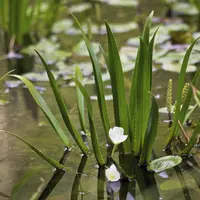
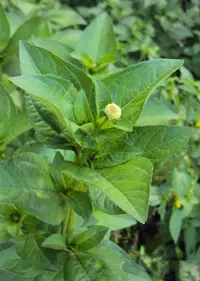
The plant forms tall stems with narrow, lance-shaped leaves and bright yellow, four-petaled flowers that attract pollinators. It can spread quickly in wet ground or shallow water.

Native to parts of the southeastern United States, it favors warm climates and moist, sunny sites. Understanding how to care for wingleaf primrose-willow starts with recognizing its preference for consistently damp soil and full sun.

Because of its vigorous growth and self-seeding habit, it may require management to prevent it from becoming weedy in suitable conditions.

Main Plant Requirements

Care Difficulty

Moderate Care

Light Preference

Full Sun

Water Requirements

Aquatic

Temperature Preference

Warm Climate

Hardiness Zone

7–11

Soil Texture

Loamy, Silty, Organic-rich

Soil pH

Acidic (5.5–6.5), Slightly acidic (6.5–7.0)

Soil Drainage

Waterlogged tolerant

Fertilization

Minimal (feed rarely)

Get Personalized Care Plan

Scan your plant to receive care tips personalized for your specific plant

Available on iOS and Android

How to Care for the wingleaf primrose-willow

Ludwigia decurrens thrives in strong light typical of open, wet habitats.

  • Provide 6–8 hours of direct sun daily; full sun promotes compact growth and vivid foliage color.
  • Plant can tolerate light afternoon shade in hot climates, but dense shade leads to lanky stems and poor flowering in wingleaf primrose-willow.
  • In summer, monitor for leaf scorch in sites with intense afternoon sun; in shorter winter days, choose the brightest, least-shaded position available.

This species prefers consistently moist to saturated conditions, similar to natural marsh or pond margins.

  • Keep soil wet to saturated; do not allow the top layer to dry out more than 1–2 cm in typical garden or shoreline plantings.
  • In hot, windy weather, check moisture daily and top up water as soon as the surface begins to lighten in color or crack slightly.
  • Soft, limp leaves and drooping stems indicate underwatering, while yellowing leaves and foul odor in the soil suggest poor drainage and chronic overwatering conditions.

This wetland perennial grows best in warm to hot conditions but is sensitive to hard frost.

  • Ideal growth occurs at 70–90°F (21–32°C), with vigorous stems and flowering during consistently warm months.
  • The plant may survive brief dips to around 32°F (0°C), but repeated frosts damage stems; in colder regions it often behaves as a warm-season annual.
  • In heat above 95°F (35°C), growth slows unless soil remains saturated; strong sun plus hot, dry winds can scorch exposed foliage.

This species prefers moderately humid air but adapts to a range of outdoor humidity levels.

  • Aim for 50–70% humidity for fastest growth, especially in warm weather.
  • Plants tolerate brief drops to 30–40% but may show slower growth and slightly curled or crisping leaf edges.
  • Increase humidity outdoors by grouping plants near other moisture-loving species or along a water feature or pond margin.

Ludwigia decurrens thrives in consistently wet, organic-rich soil that still retains some structure.

  • Use a heavy loam with high organic content, such as garden loam blended with compost and fine sand to improve structure.
  • Keep drainage slow, not fast; the soil should stay saturated or very moist without becoming a loose, dry mix.
  • A slightly acidic to neutral pH around 6.0–7.0 supports strong nutrient uptake and stable growth.
  • Avoid dry, sharply drained, or rocky substrates and very coarse bark mixes, which limit water retention and root spread.

This species can be grown in containers if the setup supports consistent moisture and stability.

  • Choose a deep, wide container that allows extensive root spread and reduces the risk of tipping as stems elongate.
  • Use a sturdy, heavier pot material to counterbalance tall, top-heavy growth in windy or exposed sites.
  • Stand the container in a shallow tray or outer tub of water so the mix stays saturated without relying on frequent top-watering.

Ludwigia decurrens benefits from light feeding but often grows acceptably in fertile, natural soils without extra input.

  • Use a balanced liquid fertilizer (for example 10-10-10) at 1/2–1/4 strength during the main growing season.
  • Apply every 4–6 weeks in active growth for container or intensively managed stands of wingleaf primrose-willow.
  • Avoid fertilizing in winter or dormancy, when growth slows and nutrient demand drops.
  • Rinse foliage after feeding and ensure good watering to distribute nutrients through the root zone.

Pruning Ludwigia decurrens helps control size, maintain vigor, and encourage bushier growth.

  • Carry out main pruning in late spring to midsummer, when plants are in active growth.
  • Remove dead, damaged, or diseased stems first, then thin crowded or crossing shoots.
  • Shorten overly tall stems to encourage branching and a denser, more compact form.
  • Use clean, sharp pruning shears and make angled cuts just above healthy leaf nodes.

This species is more often transplanted in wetland or pond margins than repotted as a long-term container specimen.

  • Transplant in spring or early summer, once water and soil temperatures have warmed and growth is active.
  • Look for signs such as roots circling inside aquatic baskets, slow growth, or unstable plants in their substrate.
  • Shift to a slightly larger basket or bed, using heavy loam or clay soil, and keep roots submerged at a similar depth.
  • Handle roots gently, keep them moist at all times, and trim only damaged portions to reduce stress and shock.

Ludwigia decurrens is commonly propagated for aquatic or wetland plantings by cuttings and seed.

  • Take soft to semi-woody stem cuttings in late spring to summer and root them in shallow water or very wet soil.
  • Ensure warm conditions (around 70–80°F) and bright light to support rapid rooting and early growth.
  • For seed, sow fresh, surface-scattered seed on moist, fine-textured substrate and keep it consistently saturated.
  • Thin dense seedlings or grouped cuttings to prevent overcrowding and encourage strong, upright plants.

In mild climates this species often persists with minimal winter care, but colder regions require some protection or re-establishment each year.

  • Expect top growth to die back with hard frost; roots may not survive prolonged freezing.
  • In marginal zones, grow in containers and move them to a frost-free, bright, cool area for winter.
  • Reduce water slightly in cool indoor storage, keeping the substrate just moist, then reintroduce to outdoor conditions in spring.

Care Tips

Seasonal Cutbacks

In late winter or very early spring, cut back old, woody stems to 5–10 cm above the soil or waterline to control invasiveness and stimulate dense, healthy new growth when temperatures rise.


Stem Tip Pinching

Regularly pinch or trim soft stem tips during the growing season to encourage bushier growth and reduce the risk of plants toppling or shading out neighboring species in wetland plantings.

Staking In Shallow Water

In shallow ponds or saturated soil, use discreet bamboo stakes or mesh edging to support tall stems and prevent lodging when plants reach 60–90 cm, especially in windy or exposed sites.

Managed Spread Control

Install physical barriers such as deep edging or lined bog beds and promptly remove volunteer seedlings that appear downstream or in adjacent beds to keep populations contained and easier to manage.

Monitoring Nutrient runoff

In wetland or pond margins, check for signs of nutrient excess such as overly rapid, lanky growth or algal blooms, then reduce upstream fertilizer use or install a vegetated buffer strip to keep growing wingleaf primrose-willow more balanced and stable.

Common Pests and Diseases

Aphids

This pest often clusters on tender shoot tips and undersides of leaves, sucking sap and causing curling, distortion, and sticky honeydew on stems and foliage.

Solution

Rinse colonies off emergent stems with a firm stream of water, then spot-treat remaining clusters with insecticidal soap or a light horticultural oil, repeating weekly until controlled; in pond or marginal plantings, avoid spraying directly into the water and treat during calm, cool parts of the day.

Spider mites

These insects favor hot, dry conditions on emergent foliage, causing fine stippling, a dusty appearance, and sometimes very fine webbing between leaves and stems.

Solution

Increase humidity around emergent growth where possible, then wash both sides of leaves with water and follow with insecticidal soap or a labeled miticide, repeating every 5–7 days until no new damage appears while monitoring nearby aquatic plants.

Leaf spot

This disease produces small, dark, often water-soaked lesions on leaves that can expand, merge, and lead to yellowing and early leaf drop on dense stands.

Solution

Remove and dispose of affected leaves to reduce inoculum, thin crowded growth for better air and water movement, and avoid overhead irrigation of emergent plants; in severe, persistent cases, a pond-safe fungicide labeled for aquatic or marginal plants may be used according to label directions.

Stem blight

This disease causes brown to black streaks or sunken lesions on lower stems, which can girdle shoots and lead to wilting and dieback, especially in dense, stagnant stands of wingleaf primrose-willow.

Solution

Cut back and remove blighted stems well below visible damage, improve water circulation and light penetration by thinning clumps, and avoid excessive nitrogen fertilization that promotes weak, lush growth; in cultivation, rotate planting spots in small ponds or containers to reduce pathogen buildup.

Interesting Facts

Flood-adapted stem wings

This species has distinctive, narrow leaf-like wings running down its stems, which increase surface area and may help the plant stay upright and stable in seasonally flooded habitats.

Amphibious lifestyle

Wingleaf primrose-willow can grow rooted in saturated soil, shallow standing water, or along fluctuating shorelines, shifting between more terrestrial and more aquatic growth forms depending on water levels.

High wildlife value

Its bright yellow flowers are visited by bees and other pollinators, while dense stands in wetlands provide shelter and structure for small fish, amphibians, and aquatic invertebrates.

Botan icon

Did you know?

In parts of the southern and central United States, this plant can form extensive monospecific stands along rivers and reservoirs, altering water flow patterns and competing strongly with native shoreline vegetation, which has led some land and water managers to monitor and actively control its spread.

FAQs about wingleaf primrose-willow

This species spreads quickly in wet ditches, ponds, and marshy areas by seed and stem fragments. In many regions it is considered invasive, so monitor edges, deadhead spent flowers, and remove unwanted seedlings promptly to limit expansion.

Grow Healthy Plants with Botan Care

Keep your plants happy and healthy with plant identification, disease detection, and easy care guidance.

Botan plant care app — identify plants on mobile

Explore More Plants