

Control Plant Spread
Limit the plant to 1 clump per 3–4 ft² of pond surface and thin runners yearly so dense mats do not shade out other aquatics or block light to deeper water.

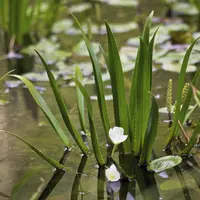
Water soldiers, Stratiotes aloides, is a hardy aquatic plant that floats or anchors in still or slow-moving freshwater. It forms dense rosettes of stiff, sword-like leaves that resemble a submerged pineapple top. Mature plants often rise to the surface in summer, then sink again in winter. Native to parts of Europe and western Asia, it is commonly found in ponds, ditches, and calm lakes. The species is generally considered easy to manage in larger outdoor water features but can spread fast in suitable conditions. Stable water quality, full sun to light shade, and nutrient-rich, muddy bottoms support healthy growth and make it easier to care for water soldiers.

Care Difficulty
Moderate Care

Light Preference
Full Sun

Water Requirements
Aquatic

Temperature Preference
Cool Climate

Hardiness Zone
3–7

Soil Texture
Loamy, Silty, Organic-rich

Soil pH
Slightly acidic (6.5–7.0), Neutral (7.0)

Soil Drainage
Waterlogged tolerant

Fertilization
Minimal (feed rarely)
Scan your plant to receive care tips personalized for your specific plant
Available on iOS and Android
This aquatic plant prefers bright conditions but is adapted to seasonal light changes in ponds and lakes.
This free-floating or loosely rooted aquatic species relies on stable water conditions rather than traditional soil watering.
This hardy aquatic plant experiences natural seasonal temperature swings but has clear limits for active growth.
This floating aquatic species does not rely on air humidity, as its leaves and roots sit directly in water.
This aquatic species grows rooted in pond mud rather than standard potting soil.
This species can be grown in containers such as water troughs or large pond tubs if the water volume is sufficient.
This aquatic native usually grows well in nutrient-rich ponds and needs little or no additional feeding in most garden settings.
Pruning Stratiotes aloides is mainly about hygiene and keeping the pond surface clear.
This species is usually grown free-floating or in baskets, so care focuses on occasional transplanting rather than frequent repotting.
Stratiotes aloides is commonly propagated by division of daughter rosettes rather than by seed in home ponds.
This cold-hardy aquatic plant survives typical temperate winters with minimal intervention in outdoor ponds.

Plant Health Check
Not sure what's wrong with your plant? Check your plant's health inside the app.
This submerged rosette plant can take up large amounts of dissolved nutrients from the water column, which helps reduce algal growth and can improve water clarity in slow-moving freshwater bodies.
The plant typically floats at the surface during the growing season, then forms dense overwintering rosettes that sink to the bottom in autumn and rise again in spring, an adaptation that protects it from winter cold.
Its stiff, saw-toothed leaves contain air spaces (aerenchyma) that aid buoyancy and also make the rosettes difficult for herbivores to eat, giving the plant both flotation and mechanical protection.

Stratiotes aloides is dioecious, meaning individual plants are either male or female, and outside its native European range many introduced populations consist almost entirely of one sex, which limits seed production and leads to spread mainly through vegetative offshoots.
Yellowing often results from low nutrients, very soft or very hard water, or stagnant, poorly oxygenated conditions. Check that the pond is not overcrowded, refresh water if needed, and consider adding a balanced aquatic fertilizer tablet nearby.
Keep your plants happy and healthy with plant identification, disease detection, and easy care guidance.

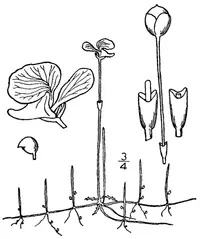
lavender bladderwort
Utricularia resupinata
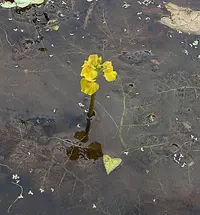
leafy bladderwort
Utricularia foliosa
Florida yellow bladderwort
Utricularia floridana
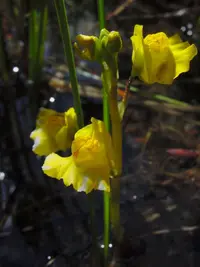
Common bladderwort
Utricularia macrorhiza
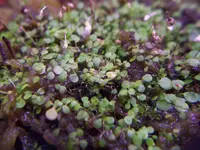
striped bladderwort
Utricularia striatula
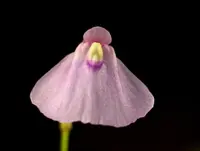
fairy aprons
Utricularia dichotoma
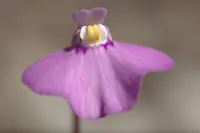
Utricularia uniflora
Utricularia uniflora

prickly seaweed
Acanthophora spicifera