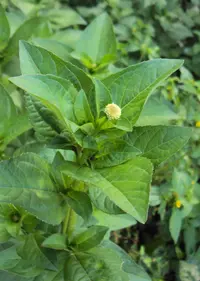
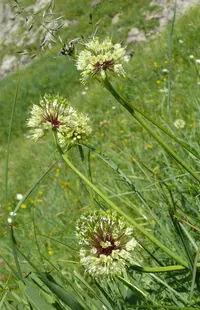
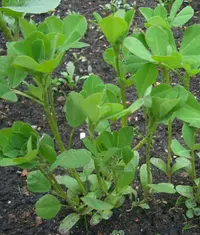
sticky nightshade Care (Solanum sisymbriifolium)

Also known as: Dense-thorned Bitter Apple, Red Buffalo-bur, fire-and-ice, Viscid Nightshade, vila-vila, Litchi tomato
sticky nightshade

About sticky nightshade

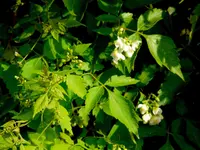
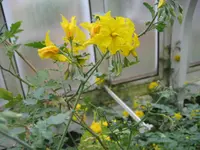
Sticky nightshade (Solanum sisymbriifolium) is a spiny, shrubby perennial in the nightshade family, often grown as an annual in cooler regions. It forms a bushy plant with deeply lobed leaves, sharp thorns on stems and leaf veins, and white to pale blue star-shaped flowers followed by bright red berry-like fruits.

This species is native to South America but has naturalized in many temperate regions and can behave as a weed. It grows rapidly and tolerates poor soils and light drought, yet can self-seed and spread if not managed. Gardeners who want to care for sticky nightshade should understand its thorny nature and potential to become invasive before planting.

Main Plant Requirements

Care Difficulty

Moderate Care

Light Preference

Full Sun

Water Requirements

Moderate Water

Temperature Preference

Warm Climate

Hardiness Zone

8–11

Soil Texture

Sandy, Loamy, Organic-rich

Soil pH

Acidic (5.5–6.5), Slightly acidic (6.5–7.0)

Soil Drainage

Well-drained

Fertilization

Minimal (feed rarely)

Get Personalized Care Plan

Scan your plant to receive care tips personalized for your specific plant

Available on iOS and Android

How to Care for the sticky nightshade

This sun-loving species grows best in open, bright conditions with direct light.

  • Provide 6–8 hours of direct sun daily; full sun is ideal, though light afternoon shade helps in very hot climates.
  • Sticky nightshade tolerates light partial shade, but stems may stretch and flowering decreases when it receives under 4–5 hours of sun.
  • In regions with intense summer sun, prioritize morning sun with filtered or partial shade after 2–3 pm to reduce leaf scorch and moisture stress.

This species prefers evenly moist but not saturated soil, with clear drying between waterings.

  • Outdoors in free-draining soil, water when the top 3–5 cm feels dry and the soil looks lighter in color, then soak the root zone thoroughly.
  • In peak summer growth, expect to water more often after hot, dry, or windy periods; in cool or rainy weather, reduce watering to avoid soggy soil.
  • Watch for yellowing, soft stems, or foul smell as signs of overwatering, and dull, drooping leaves with dry soil as signs Solanum sisymbriifolium needs water.

This warm-season plant grows best in mild to warm conditions and is sensitive to frost.

  • Aim for active growth in 70–85°F (21–29°C); plants usually slow down below 60°F (16°C) and above 90°F (32°C).
  • Protect from frost; tissue damage often starts near 30–32°F (-1–0°C), and the plant is usually killed by harder freezes.
  • In cooler climates, plant outdoors only after danger of frost has passed and expect growth to decline again as autumn nights fall below 50°F (10°C).

This species tolerates a wide humidity range and rarely needs special humidity management.

  • Performs reliably at 30–60% humidity, typical of most heated and unheated homes and outdoor conditions in temperate regions.
  • Handles dry indoor air without major issues, provided watering is consistent and the root zone does not dry completely for long periods.
  • Humidity stress appears mainly as marginal leaf browning and slight curling; if this occurs, group plants together or place near a shallow tray of water and stones to slightly raise local humidity.

Solanum sisymbriifolium prefers loose, well-drained, moderately fertile soil that does not stay saturated.

  • Use a loamy or sandy loam structure with plenty of coarse particles so water drains within a few minutes after thorough watering.
  • Aim for slightly acidic to neutral pH around 6.0–7.0, which supports balanced nutrient availability and root function.
  • Mix garden loam with 20–30% compost for organic matter and 20–30% perlite or coarse sand to improve aeration and prevent compaction.
  • Avoid heavy clay, waterlogged spots, or mixes dominated by fine peat that stay wet for many hours, as this encourages root rot and weak growth.

This species is suitable for container growing when given enough root volume and firm support.

  • Choose a deep, heavy container so the tall, spiny stems do not tip the pot in windy or exposed sites.
  • Select a pot slightly wider than the root ball to balance moisture retention with rapid drainage through the mix and drainage holes.
  • Position the container where it cannot be brushed against easily, reducing accidental contact with spines while still allowing access for watering and pruning.

This vigorous species usually needs only light feeding, especially when grown in reasonably fertile soil.

  • Use a balanced, slow-release fertilizer (for example 10-10-10) or a thin layer of compost at planting in spring.
  • Feed container-grown sticky nightshade every 4–6 weeks in the growing season with half-strength balanced liquid fertilizer.
  • Avoid high-nitrogen products that push leafy growth at the expense of flowers and fruit set.
  • Stop feeding in late summer so new growth hardens before cold weather and skip fertilization in winter dormancy.

Pruning Solanum sisymbriifolium focuses on safety and shape rather than detailed sculpting.

  • In late winter or early spring, remove dead, damaged, or weak stems with sharp bypass pruners.
  • Thin out crowded branches to improve air flow and reduce disease risk while keeping the plant compact.
  • Shorten overly long or sprawling shoots to control spread and maintain access around the spiny stems.
  • During the growing season, clip off unwanted suckers or seedlings before they set fruit to limit self-seeding.

This species is more often transplanted outdoors than kept long term in containers.

  • Transplant young plants in spring after frost once soil has warmed and is well-drained and workable.
  • Look for roots circling the pot, slow growth, or quick drying soil as signs container plants need a larger pot.
  • Move up only 1–2 pot sizes, handling the spiny stems carefully and loosening circling roots without tearing them heavily.
  • Water thoroughly after transplanting, then keep soil evenly moist and shaded for a few days to limit transplant shock.

New Solanum sisymbriifolium plants are most commonly raised from seed.

  • Collect ripe berries, separate and rinse seeds, then dry them before storage or sowing.
  • Sow indoors in late winter, using a sterile seed-starting mix kept at 68–75°F with bright light.
  • Lightly cover seeds, maintain even moisture, and provide good air circulation to reduce damping-off disease.
  • Harden off seedlings gradually outdoors after frost before planting into their final position.

This frost-tender perennial is usually grown as a warm-season annual in colder regions, so winter care is limited.

  • Expect top growth to die back after hard frost in USDA zones colder than 9 and remove spent plants.
  • In mild climates, apply a 5–8 cm mulch over the root zone in late fall to buffer soil temperature.
  • Container plants in cool climates can be discarded after frost or moved to a bright, cool, frost-free space for experimentation.

Care Tips

Use protective gloves

Always handle this plant with sturdy gloves and long sleeves to avoid the sharp spines, especially when transplanting, staking, or removing suckers.

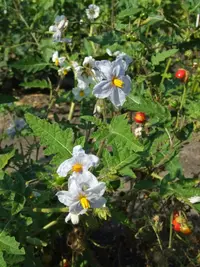
Control self-seeding

Deadhead flowers before fruits ripen and remove volunteer seedlings promptly, as this species can self-sow aggressively and become weedy in open ground.

Rotate and rest beds

Avoid planting it in the same spot more than 2 years in a row and keep it away from other Solanum crops like tomatoes and potatoes to reduce soil-borne disease and nematode buildup.

Monitor for nematodes

If used as a nematode trap crop, mow or cut plants at soil level and remove roots before they flower, then dispose of the material off-site so pests are not returned to the bed.

Provide secure staking

Install strong stakes or a low cage early in the season and tie stems loosely with soft ties, since the plant becomes heavy and spiny and is difficult to support once fully grown, which is key when growing sticky nightshade in windy areas.

Common Pests and Diseases

Colorado potato beetle

This pest feeds heavily on leaves and can quickly defoliate plants, especially in sunny, open sites. Symptoms include skeletonized foliage, rapid leaf loss, and clusters of orange eggs on leaf undersides.

Solution

Hand-pick adults, larvae, and egg clusters into soapy water as soon as they appear and repeat checks every 2–3 days. For heavier infestations, use a targeted bioinsecticide containing Bacillus thuringiensis var. tenebrionis on young larvae, and rotate planting sites each year to reduce overwintering populations when you grow Solanum sisymbriifolium outdoors.

Flea beetles

These insects chew many tiny round holes in young leaves, giving a shot-hole or peppered appearance and slowing plant growth. Damage is most severe on seedlings and young transplants in warm, dry weather.

Solution

Use floating row covers to keep beetles off young plants and remove nearby weeds from the nightshade family that harbor adults. In established plantings, apply a fine layer of kaolin clay or neem-based spray to foliage in dry weather and water plants consistently to help them outgrow early damage.

Tomato and potato psyllid

This pest sucks sap from leaves, injecting toxins that cause leaf curling, yellowing, and a scorched or stunted appearance known as psyllid yellows. Honeydew deposits can make foliage sticky and promote sooty mold growth.

Solution

Inspect the undersides of leaves for small jumping insects and waxy white deposits, then remove and destroy heavily affected shoots. Use yellow sticky traps for monitoring, prune dense growth to improve airflow, and apply insecticidal soap or a light horticultural oil to leaf undersides at 5–7 day intervals while psyllids are active.

Potato virus Y

This disease causes mottled, patchy yellowing on leaves, distortion, and general growth decline, and it is often carried by aphids from other infected Solanaceae crops or weeds. Symptoms include uneven leaf coloration, curling, and reduced vigor even when watering and nutrition are adequate.

Solution

Remove and destroy symptomatic plants promptly to prevent spread, and do not compost infected material. Control aphids with strong water sprays and insecticidal soap, avoid planting near infected potatoes, tomatoes, or peppers, and use only clean, certified seed or nursery stock when starting new sticky nightshade plantings.

Early blight

This disease causes brown leaf spots with concentric rings, usually starting on older foliage and spreading upward in warm, humid weather. Symptoms include yellowing around the lesions and progressive defoliation from the bottom of the plant upward.

Solution

Prune and discard affected lower leaves as soon as spots appear and keep foliage as dry as possible by watering at soil level. Improve spacing and airflow, apply a copper-based or other labeled fungicide preventively during warm, wet periods, and rotate out of nightshade-family crops in the same soil for at least 2–3 years to lower disease pressure.

Interesting Facts

Natural nematode trap crop

This species is used in agriculture as a trap crop for potato cyst nematodes, luring the pests to hatch and invade its roots but preventing them from completing their life cycle.

Heavily armed with spines

Stems, leaves, and even the calyces are covered with stiff, sharp spines, providing strong mechanical defense against many grazing animals.

Tomato-like but inedible fruits

It produces bright red, cherry tomato–like berries that are attractive but not grown as an edible crop due to toxicity concerns common in many nightshade relatives.

Botan icon

Did you know?

In some potato-growing regions, fields are deliberately planted with Solanum sisymbriifolium before the main crop because its roots stimulate potato cyst nematode eggs to hatch and then act as a dead-end host, reducing nematode populations in the soil without chemical fumigants.

FAQs about sticky nightshade

All parts contain toxic alkaloids that can harm pets, livestock, and people if eaten. Symptoms may include vomiting, abdominal pain, diarrhea, weakness, and neurological signs. Keep children and animals away and use gloves when handling.

Grow Healthy Plants with Botan Care

Keep your plants happy and healthy with plant identification, disease detection, and easy care guidance.

Botan plant care app — identify plants on mobile

Explore More Plants