Zornia gibbosa Care

Zornia gibbosa

About Zornia gibbosa

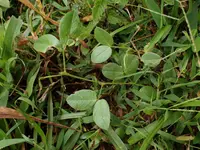
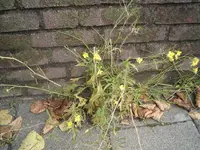
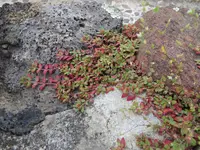
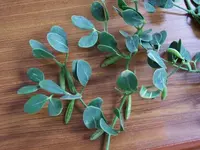
Zornia gibbosa is a small, herbaceous legume that forms low, spreading clumps. It typically shows fine stems with small, paired leaflets and discreet yellowish flowers. This plant often occurs in warm, open grasslands and disturbed sites, especially in tropical and subtropical regions. It is sometimes used in forage mixes and groundcover trials. Zornia gibbosa tends to be relatively undemanding where winters are mild, but it dislikes prolonged waterlogging and severe frost. Light, well-drained soil and good sun exposure usually support stable growth, and understanding how to care for Zornia gibbosa starts with providing these basic conditions.

Main Plant Requirements

Care Difficulty

Moderate Care

Light Preference

Full Sun

Water Requirements

Moderate Water

Temperature Preference

Warm Climate

Hardiness Zone

Unknown

Soil Texture

Sandy, Loamy

Soil pH

Acidic (5.5–6.5)

Soil Drainage

Well-drained

Fertilization

Minimal (feed rarely)

Get Personalized Care Plan

Scan your plant to receive care tips personalized for your specific plant

Available on iOS and Android

How to Care for the Zornia gibbosa

This species prefers open, bright conditions similar to sunny grasslands.

  • Provide 6–8 hours of direct sun daily, ideally with morning sun and light afternoon shade in very hot climates to reduce leaf scorch risk.
  • Tolerates light partial shade (around 3–4 hours of direct sun), but flowering and compact growth decline if shade persists through most of the day.
  • In cooler seasons, full sun for most of the day is beneficial, while in midsummer consider filtered light during the harshest afternoon hours for Zornia gibbosa.

Watering should support steady growth without leaving the roots in saturated soil.

  • Allow the top 2–4 cm of soil to dry between waterings, then water deeply so moisture reaches the root zone, letting excess drain away freely.
  • In warm, active growth periods, expect to water more often as the soil dries faster; in cooler seasons, extend the interval as growth slows.
  • Signs of overwatering include yellowing, soft stems, and a sour soil smell, while dull, folding leaves and very dry, crumbly soil suggest underwatering.

Stable warm conditions are important for healthy growth and flowering.

  • Aim for 70–85°F (21–29°C) as the main growing range, where photosynthesis and root activity stay efficient without heat stress.
  • Protect the plant from cold; growth slows below about 60°F (16°C), and damage is likely near 40°F (4°C), with frost causing rapid leaf and stem death.
  • In hot spells above 90°F (32°C), provide extra soil moisture and light afternoon shade to limit heat stress and reduce the risk of leaf scorch.

This species handles a wide humidity range and usually does not need special humidity management outdoors.

  • Target 40–60% humidity, which is typical of most outdoor conditions in its growing regions.
  • Tolerates short dry-air spells, but prolonged hot, very dry winds can cause leaf edge browning and faster wilting.
  • In unusually arid spots, shelter from hot wind and apply mulch to soil rather than misting foliage.

Zornia gibbosa prefers light, well-drained mineral soils that never stay waterlogged.

  • Use a sandy or sandy-loam mix with 30–50% coarse sand plus 20–30% compost to balance drainage and nutrients.
  • Aim for slightly acidic to neutral pH around 6.0–7.0, avoiding strongly acidic or saline sites that restrict root function.
  • Improve aeration and drainage by incorporating perlite or fine grit, especially in heavier native soils or compacted garden beds.
  • Avoid dense clay, peat-heavy mixes, or any substrate that forms puddles after watering, as this encourages root and stem rot.

This species can be grown in containers if the potting setup prioritizes fast drainage and root aeration.

  • Choose a wide, shallow container to match its spreading habit, so stems can trail without crowding the root zone.
  • Use a gritty, low-organic mix that dries quickly between waterings to reduce the risk of root rot in confined roots.
  • Select a lightweight pot material if containers will be moved often, as drier, sandy mixes can make large pots heavy when wet.

Light feeding supports healthy growth of Zornia gibbosa in poor or disturbed soils.

  • Use a light application of balanced NPK granular fertilizer or well-rotted compost at the start of the warm growing season.
  • Feed only 1–2 times per growing season, as the species is adapted to low-nutrient conditions.
  • Apply fertilizer at half the label-recommended strength to avoid excessive, weak growth.
  • Stop feeding in late summer so plants can harden growth before cooler weather.

Pruning Zornia gibbosa is mainly about tidying and maintaining a compact form.

  • Carry out light shaping and cleanup in late winter or early spring before strong new growth begins.
  • Remove dead, damaged, or crossing stems to improve air movement and reduce disease risk.
  • Trim back overly long, leggy shoots to encourage bushier, denser growth.
  • Use clean, sharp scissors or hand pruners, making small, angled cuts just above a leaf node.

Zornia gibbosa is more often grown in-ground, but container plants or young starts sometimes need transplanting.

  • Transplant in spring when soil is warming and plants are starting active growth, avoiding extreme heat or drought.
  • Check for roots circling the pot drainage holes or slowing top growth as a sign a container plant needs a larger pot.
  • Move up only 1 pot size, gently loosening circling roots and keeping as much root ball intact as possible.
  • Water thoroughly after transplanting, then keep soil slightly moist and shaded for a few days to limit transplant shock.

Zornia gibbosa is commonly propagated from seed for restoration, forage, or ornamental use.

  • Sow fresh seed in spring or early summer into a free-draining, sandy mix, either in trays or directly outdoors in mild climates.
  • Lightly cover seeds and keep the medium evenly moist at 70–80°F for consistent germination.
  • Provide bright light and good air circulation once seedlings emerge, thinning crowded plants to reduce competition.
  • Harden off young plants before planting out, gradually exposing them to full sun and lower humidity.

Zornia gibbosa is a warm-season species with low frost tolerance, so some winter care is needed in cooler climates.

  • In regions with frost, treat plants as annuals or re-establish from seed each year.
  • For marginal climates, mulch the root zone with a 5–8 cm layer of organic material in late fall.
  • Move container-grown plants into a frost-free, bright location and reduce watering to keep soil just barely moist.

Care Tips

Encourage Bushy Habit

Lightly pinch back the tips of young stems every 3–4 weeks during active growth to promote branching and create a denser, more floriferous mat.

Seasonal Rejuvenation Cut

At the end of the main flowering flush, shear plants back by about 1/3 of their height to remove tired growth and stimulate a fresh, uniform carpet of new shoots.

Low-Grow Containment

Where spread needs to be controlled, edge beds with a shallow physical barrier 5–8 cm deep to keep stolons from creeping into adjacent planting areas without resorting to frequent hand-pulling.

Targeted Pest Monitoring

Inspect the undersides of foliage weekly in warm, humid periods for small sap-sucking insects or leaf damage, and treat early with a directed insecticidal soap spray rather than broad, preventive pesticide use.

Soil Crust Management

If a surface crust forms in heavier soils, gently break it with a hand fork or rake every few weeks so that water and air can reach the shallow root zone, which is important for stable growth when caring for Zornia gibbosa.

Common Pests and Diseases

Leaf spot

This disease causes small brown to dark purple spots on leaflets that may merge into larger dead patches, especially in warm, humid weather. Symptoms include premature yellowing and drop of the fine pinnate leaves, which can thin groundcover stands of this species.

Solution

Remove and discard the most affected foliage to reduce inoculum, avoid overhead watering, and keep foliage as dry as possible. Improve spacing and airflow, and if spots continue to spread during extended wet periods, use a copper- or chlorothalonil-based fungicide labeled for forage or pasture legumes according to local regulations.

Powdery mildew

This disease appears as a white to gray powdery coating on upper leaf surfaces and stems, usually under warm days and cooler nights. Symptoms include reduced vigor and distorted or stunted new growth in dense plantings.

Solution

Increase sun exposure and air movement by thinning crowded patches and avoiding excess nitrogen fertilization, which promotes soft, susceptible growth. If the coating spreads, apply a sulfur or potassium bicarbonate fungicide approved for ornamental or forage legumes, making sure leaves are evenly covered and reapplying as product directions indicate.

Aphids

These insects cluster on tender stems and undersides of leaves, sucking sap and excreting sticky honeydew that can attract sooty mold. This pest can stunt young plants and reduce flowering and seed set in stands grown for forage or seed production, so understanding Zornia gibbosa care instructions often includes regular monitoring for them.

Solution

Spray colonies off with a firm stream of water on small plantings and pinch off heavily infested shoot tips. For larger or recurring outbreaks, introduce or conserve natural enemies such as lady beetles and lacewings, and if needed use an insecticidal soap or neem oil spray, ensuring thorough coverage of leaf undersides and repeating at 5–7 day intervals until populations drop.

Leaf miners

These insects create winding, pale tunnels inside the narrow leaflets, which can cause cosmetic damage and reduced photosynthesis when infestations are heavy. Symptoms include translucent serpentine trails that eventually dry to brown, especially on older leaves.

Solution

Remove and destroy mined leaves promptly to prevent larvae from completing their life cycle in the plant tissue. Encourage beneficial predators and, if damage is increasing, use a horticultural oil or spinosad-based product directed at the undersides of leaves, timing sprays for when tiny adult flies are active and following label guidance.

Nematode damage

This problem is caused by microscopic roundworms in the soil that feed on or invade roots, leading to uneven growth, stunting, and patchy yellowing in field or pasture plantings. Symptoms include poor nodulation, weak rooting, and reduced stand persistence on light, sandy soils where nematodes are most active.

Solution

Rotate Zornia plantings with non-host grasses, incorporate organic matter to support beneficial soil organisms, and avoid moving contaminated soil or tools between plots. In heavily infested sites, use nematode-suppressive cover crops or solarization during hot periods before replanting, and select healthier, vigorous starter plants to better tolerate low to moderate nematode pressure.

Interesting Facts

Prostrate mat growth

This species naturally forms a low, spreading mat only a few centimeters tall, with stems that root where they touch the soil, helping stabilize loose or sandy ground in its native habitats.

Distinctive bract pairs

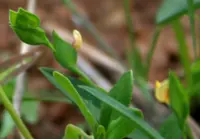
Its tiny yellow flowers are partly hidden by opposing green bracts that look like small folded leaflets, a feature that makes the inflorescences easy to distinguish from many other small legumes in the field.

Tropical American origin

Zornia gibbosa is naturally distributed across tropical regions of the Americas, where it occurs in open, sunny habitats such as grasslands and disturbed sites.

FAQs about Zornia gibbosa

This species grows best outdoors in warm, frost-free climates where it receives strong light, heat, and natural rainfall patterns. Zornia gibbosa indoor care is possible under bright, warm conditions, but growth and flowering are usually weaker than outside.

Grow Healthy Plants with Botan Care

Keep your plants happy and healthy with plant identification, disease detection, and easy care guidance.

Botan plant care app — identify plants on mobile

Explore More Plants