


Use low tunnels
In colder regions, use low plastic tunnels or row covers in early spring to warm the soil and protect young plants from late frosts, then ventilate daily to prevent fungal issues when growing cutleaf nightshade.

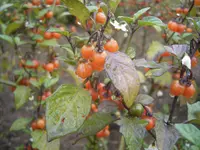
Cutleaf nightshade, Solanum triflorum, is a low, spreading annual or short-lived perennial in the nightshade family. It often grows as a weedy plant in disturbed soils and fields. The plant has finely divided, almost fernlike leaves, small star-shaped white flowers, and small round berries that turn from green to red or orange as they mature.
It is native to parts of North and South America and has spread to other temperate regions, often appearing in gardens, roadsides, and agricultural land. It adapts easily to poor, dry, or compacted soils, which makes it persistent once established and influences how to care for cutleaf nightshade.

Care Difficulty
Easy Care

Light Preference
Full Sun

Water Requirements
Moderate Water

Temperature Preference
Cool Climate

Hardiness Zone
3–8

Soil Texture
Sandy, Loamy, Rocky

Soil pH
Slightly acidic (6.5–7.0), Neutral (7.0)

Soil Drainage
Well-drained

Fertilization
Minimal (feed rarely)
Scan your plant to receive care tips personalized for your specific plant
Available on iOS and Android
This species prefers bright, open conditions typical of many sun-loving annuals.
Water needs are moderate and depend strongly on soil drainage and weather.
This plant behaves as a warm-season annual and grows best in mild to warm conditions.
This species tolerates a wide humidity range and rarely needs special humidity management.
Solanum triflorum prefers loose, well-drained mineral soil that does not stay wet after rain or irrigation.
This species can be grown in containers if the pot supports its spreading, somewhat trailing habit.
This wild annual usually grows well without feeding, but light fertilization can support container or nutrient-poor plantings of Solanum triflorum.
Pruning Solanum triflorum is mainly corrective, keeping plants tidy and healthy rather than shaping them formally.
This species is usually grown as a short-lived outdoor plant, so focus on gentle transplanting rather than frequent repotting.
Solanum triflorum is most commonly propagated by seed, which germinates well under warm, bright conditions.
As a frost-tender annual in many climates, this plant typically does not need elaborate winter care because it completes its life cycle before hard freezes.

Plant Health Check
Not sure what's wrong with your plant? Check your plant's health inside the app.
This species has glandular, sticky hairs on its stems and leaves, which trap dust and small insects and help the plant sprawl and cling to neighboring vegetation in disturbed habitats.
Its small, green to yellow berries resemble tiny tomatoes but contain toxic alkaloids typical of the nightshade family, making them unsafe for human or livestock consumption.
Cutleaf nightshade commonly colonizes overgrazed rangeland, crop fields, roadsides, and urban waste areas, where it benefits from open soil, frequent disturbance, and reduced plant competition.
All parts of this species are considered poisonous if eaten, especially unripe fruits and leaves, due to alkaloids that affect the nervous and digestive systems. Keep it away from children, pets, and livestock, and avoid consumption.
Keep your plants happy and healthy with plant identification, disease detection, and easy care guidance.

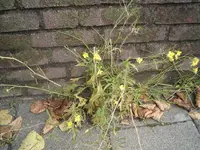
perennial wallrocket
Diplotaxis tenuifolia
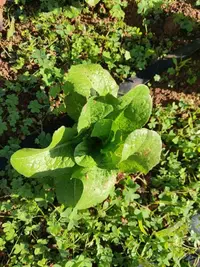
Garden Lettuce
Lactuca sativa var. crispa
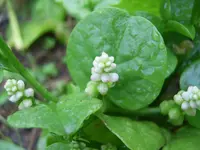
Ceylon spinach
Basella alba
neto hoja zarzabacoa de dos hojas
Zornia reticulata
Polynesian arrowroot
Tacca leontopetaloides
Syrian beancaper
Zygophyllum fabago
Florida Hammock Sandmat
Euphorbia ophthalmica
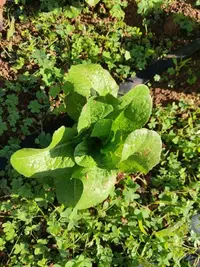
Garden Lettuce
Lactuca sativa var. capitata