Wonder-flower Care (Ornithogalum thyrsoides)

Also known as: Chincherinchee, Star-of-Bethlehem, Common Chincherinchee, Chinkerinchee, African Wonder Flower
Wonder-flower

About Wonder-flower

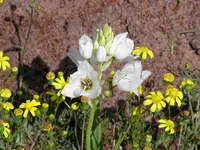
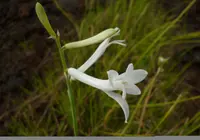
Wonder-flower, Ornithogalum thyrsoides, is a bulbous flowering plant known for its upright spikes of white, star-shaped blooms with dark green centers. It forms compact clumps of narrow, strap-like leaves at the base, while the flower stems rise above in a neat, architectural way.

This species is native to South Africa, where it grows in sunny, open habitats with well-drained soils. It is often used as a cut flower and as a temporary indoor display plant because the blooms last a long time.

The plant prefers bright light, moderate moisture, and soil that never stays waterlogged, which makes it moderately easy to care for Wonder-flower if watering is controlled carefully.

Main Plant Requirements

Care Difficulty

Moderate Care

Light Preference

Full Sun

Water Requirements

Moderate Water

Temperature Preference

Tropical / Frost Sensitive

Hardiness Zone

9–11

Soil Texture

Sandy, Loamy, Organic-rich

Soil pH

Slightly acidic (6.5–7.0), Neutral (7.0)

Soil Drainage

Well-drained

Fertilization

Light (every 4–6 weeks)

Get Personalized Care Plan

Scan your plant to receive care tips personalized for your specific plant

Available on iOS and Android

How to Care for the Wonder-flower

This bulb prefers bright light with some direct sun to flower well and stay compact.

  • Provide 4–6 hours of sun daily, ideally with gentle morning sun and light afternoon shade, especially in hot summer climates.
  • Allow partial shade in the afternoon; in very hot regions use filtered light to prevent scorched leaves and faded flower spikes on Wonder-flower.
  • If stems stretch or flowers are sparse, the plant is not getting enough light; move it to a brighter spot, especially in late winter and early spring.

This bulb prefers moderate, well-timed watering with fast drainage to protect the roots.

  • Water when the top 3–5 cm of soil are dry, soaking thoroughly so excess drains away and the root zone is moistened evenly.
  • During active growth and flowering, keep soil slightly moist but never soggy; in dormancy, reduce watering sharply and let the soil dry almost completely.
  • Yellowing, soft leaves or a mushy bulb indicate overwatering and poor drainage, while limp, wrinkling leaves signal the need for a deep drink for Ornithogalum thyrsoides.

This species grows best in mild, frost-free conditions with cool nights and moderate days.

  • Aim for 60–75°F (16–24°C) during active growth; cooler nights within this range support strong stems and longer-lasting flowers.
  • Protect from frost; prolonged exposure below 32°F (0°C) can damage bulbs, so lift or mulch them well in regions with freezing winters.
  • Tolerates short heat spells up to about 85°F (29°C) if soil moisture is stable, but extended higher temperatures can shorten bloom time and stress foliage.

Humidity is not a critical factor for Ornithogalum thyrsoides and it grows well in typical home conditions.

Ornithogalum thyrsoides prefers a sharply drained, moderately fertile substrate that mimics sandy, open ground.

  • Use a loose mix such as 50–60% standard potting mix with 40–50% coarse sand or perlite to prevent waterlogging.
  • Aim for a slightly acidic to neutral pH around 6.0–7.0, avoiding strongly acidic or alkaline substrates.
  • Incorporate only a small amount of compost, since overly rich, organic-heavy soil encourages soft, rot-prone growth.
  • Avoid heavy clay or compacted soil and break up any dense patches to improve aeration around the bulbs.

This bulb is well suited to container growing when drainage and pot depth are managed carefully.

  • Choose a pot at least 18–20 cm deep so the bulbs sit with 5–7 cm of mix above them while still allowing root room.
  • Select a slightly heavy, stable container if flower spikes grow tall, reducing the risk of tipping in wind or on balconies.
  • Lift the container slightly on pot feet or bricks so drainage holes clear the surface and excess water escapes quickly after rain or watering.

This bulb has modest needs, but light feeding supports strong flowering in Ornithogalum thyrsoides.

  • Use a balanced liquid NPK fertilizer at half strength every 2–4 weeks during active growth and flowering.
  • Alternatively, apply a slow-release bulb fertilizer or a thin layer of well-rotted compost at the start of spring.
  • Stop feeding once leaves yellow and the plant enters dormancy, then keep the soil only slightly moist.
  • Resume diluted feeding when new shoots emerge to support growing Wonder-flower bulbs.

Pruning Ornithogalum thyrsoides focuses on cleaning up spent growth rather than reshaping the plant.

  • After flowering, remove spent flower spikes at the base with clean scissors or pruners to keep the plant tidy.
  • Leave green foliage intact until it yellows naturally so the bulbs can store energy for the next season.
  • Cut back completely yellow or dead leaves at soil level to reduce disease risk and improve appearance.
  • Disinfect cutting tools before and after use to limit the spread of fungal and bacterial problems.

This bulbous plant prefers infrequent disturbance, so repot or transplant Ornithogalum thyrsoides only when necessary.

  • Plan repotting or garden transplanting after foliage has died back, typically in late summer to early fall.
  • Look for crowded bulbs, roots circling the pot, or reduced flowering as signs that division or a larger container is needed.
  • Lift bulbs gently, shake off old soil, separate offsets by hand, and discard any soft or damaged bulbs.
  • Replant at the same depth in fresh, well-drained mix, water lightly, and keep bulbs cool and dry until new growth returns.

Ornithogalum thyrsoides is most commonly propagated by division of bulbs and offsets.

  • Divide clumps after the foliage dies back, separating firm, healthy offsets from the parent bulb by hand.
  • Replant offsets in well-drained soil, spacing them to allow air movement and future clump expansion.
  • For seed propagation, sow fresh seed in shallow trays, barely cover, and keep evenly moist at 60–70°F.
  • Provide bright, indirect light and good air circulation to reduce damping-off while young plants establish.

This species is only moderately frost tolerant, so winter care depends on local climate.

  • In mild climates (above about 25°F), leave bulbs in the ground and mulch lightly to insulate the root zone.
  • In colder regions, lift bulbs after foliage dies back, dry them, and store in a cool, frost-free place.
  • For container plants, move pots indoors to a bright, cool room and keep the soil barely moist during dormancy.

Care Tips

Post-bloom handling

After the flowers fade, promptly remove spent flower spikes at the base but leave all green leaves intact so the bulb can recharge for next season.

Dormancy storage

Once foliage has fully yellowed and dried, lift the bulbs, brush off loose soil, and store them in a dry, airy, pest-free box at 50–59°F until replanting time.

Bulb spacing strategy

Plant bulbs in tight groups of 5–10, leaving 5–8 cm between bulbs, to create a fuller flowering display and more stable stems that support each other.

Rotation for symmetry

Turn container-grown plants 1/4 turn every 3–4 days so flower spikes develop straight and evenly distributed rather than leaning to one side.

Staggered succession planting

For continuous blooms, pot or plant small batches of bulbs every 10–14 days in the same season, which is a simple scheduling trick for growing Wonder-flower with a longer display period.

Common Pests and Diseases

Botrytis blight

This disease causes soft, water-soaked spots on leaves, scapes, and flower heads that quickly develop gray, fuzzy mold, especially in cool, humid conditions. Symptoms include collapsing flower stems and premature decay of blooms and foliage.

Solution

Remove and discard all affected flower spikes and leaves, avoid overhead watering, and improve air circulation around the bulbs. For valuable plantings, apply a fungicide labeled for Botrytis on ornamental bulbs at the first sign of spotting, and keep spent flowers and plant debris off the soil surface.

Basal plate rot

This disease attacks the bulb base (basal plate), causing yellowing, stunting, and eventual collapse of the foliage while the bulb softens and decays. Symptoms include brown, dry, or mushy tissue at the bulb base with poor root development.

Solution

Lift and discard any soft or discolored bulbs, and never replant them in the same spot. Use only firm, healthy bulbs, plant in well-drained soil or a free-draining potting mix, rotate planting sites, and keep bulbs dry and cool in storage to reduce infection risk.

Narcissus bulb fly

This pest is a fly whose larvae tunnel inside the bulbs, leading to weak shoots, distorted growth, or complete failure to emerge. Symptoms include hollowed bulbs with a single large maggot or brown pupa inside and foliage that yellows early.

Solution

Discard infested bulbs immediately to prevent the next generation of flies, and use firm, uninjured bulbs only. In outdoor plantings, cover bulb beds with fine mesh during the adult flight period in late spring to early summer and plant bulbs a bit deeper to make egg-laying more difficult.

Bulb mites

These pests are tiny, pale mites that feed on damaged or stressed bulbs, causing slow emergence, weak shoots, and poor flowering. This pest often appears in bulbs that are already bruised, diseased, or stored under warm, humid conditions.

Solution

Inspect bulbs before planting and discard any with soft spots or visible mite clusters, and store bulbs in a cool, dry, well-ventilated place. For mild infestations, wash bulbs gently and allow them to dry thoroughly before replanting in a fresh, sterile mix; for heavier issues, destroy affected bulbs to break the cycle.

Virus mosaic

This disease causes irregular light and dark streaks or mottling on the leaves and can lead to distorted growth and reduced flowering over time. Symptoms include plants that look progressively weaker each season while nearby bulbs may remain normal.

Solution

Remove and destroy any plants showing clear mosaic patterns, as virus infections cannot be cured and spread easily with sap. Use clean, sharp tools, disinfect blades between plants, control sap-sucking insects such as aphids nearby, and replant only from healthy, symptom-free bulbs to maintain good Ornithogalum thyrsoides plant care.

Interesting Facts

South African bulb native

This species is native to winter-rainfall regions of South Africa, especially the Western Cape, where it grows in open, sunny habitats with dry summers and moist, mild winters.

Star-shaped inflorescences

It produces dense, cone-shaped clusters of white star-like flowers on a single upright stalk, with individual blooms opening progressively from the bottom to the top of the spike.

Ethylene-sensitive cut flower

The flowers are widely used in the cut-flower industry because of their long vase life, but they are sensitive to ethylene gas, so commercial growers often treat stems to slow senescence and prevent premature flower drop.

Botan icon

Did you know?

In its native range, this species is considered locally threatened in some areas because of habitat loss and over-collecting for the cut-flower trade, leading to conservation attention and encouragement to source bulbs from cultivated rather than wild populations.

FAQs about Wonder-flower

Lack of flowers usually comes from insufficient light, bulbs that stayed too dry while forming buds, or bulbs exhausted after previous flowering. Allow foliage to mature naturally after bloom and provide a cool, dry rest period to restore energy.

Grow Healthy Plants with Botan Care

Keep your plants happy and healthy with plant identification, disease detection, and easy care guidance.

Botan plant care app — identify plants on mobile

Explore More Plants