Snake's head fritillary Care (Fritillaria meleagris)

Also known as: fritillary, frog-cup, guinea-hen flower, snake's head fritillary, snake's head, chequered daffodil, chess flower, drooping tulip, guinea flower, Lazarus bell, leper lily, checkered fritillary, checkered lily, checker-board flower
Snake's head fritillary

About Snake's head fritillary

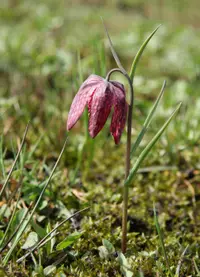
Snake's head fritillary, Fritillaria meleagris, is a small, bulb-forming perennial from the lily family. It is best known for its nodding, bell-shaped flowers marked with a distinctive checkered pattern in purple, pink, or white tones.

The plant grows from bulbs and forms loose clumps of slender, grass-like leaves, usually in cool, moist sites. It occurs naturally in damp meadows and river floodplains across parts of Europe, where soils stay moist but not stagnant.

In gardens, it suits naturalistic plantings, meadows, and partially shaded borders. It is not difficult to grow if given cool conditions, moisture-retentive but well-drained soil, and minimal disturbance of the bulbs, which helps when learning how to care for Snake's head fritillary.

Main Plant Requirements

Care Difficulty

Moderate Care

Light Preference

Partial Shade

Water Requirements

Keep Soil Moist

Temperature Preference

Cold Hardy

Hardiness Zone

3–8

Soil Texture

Loamy, Silty, Organic-rich

Soil pH

Acidic (5.5–6.5), Slightly acidic (6.5–7.0)

Soil Drainage

Moist but well-drained

Fertilization

Minimal (feed rarely)

Get Personalized Care Plan

Scan your plant to receive care tips personalized for your specific plant

Available on iOS and Android

How to Care for the Snake's head fritillary

This bulb prefers cool, bright conditions with gentle sun and consistent moisture in the soil.

  • Provide 3–5 hours of soft light daily, ideally morning sun with light or dappled shade from midday onward.
  • Site Snake's head fritillary in partial shade under deciduous shrubs or trees, where spring light is bright before leaf-out and filtered afterward.
  • Avoid strong afternoon sun, which can scorch leaves and dry soil quickly; too much shade leads to weak, floppy growth and fewer flowers.

This species needs evenly moist but not waterlogged soil, especially during active spring growth.

  • Aim for soil that stays consistently damp to a depth of 5–8 cm; surface may just start to dry between natural rainfall or irrigation.
  • Ensure humus-rich, free-draining soil; puddling, sour odor, or yellowing, limp foliage suggest overwatering and poor drainage.
  • Reduce supplemental watering once foliage yellows and dies back in early summer, as Fritillaria meleagris bulbs prefer slightly drier conditions when dormant.

This hardy spring bulb is adapted to cool climates and tolerates winter cold well when planted in the ground.

  • Ideal growth occurs in cool spring temperatures around 45–60°F (7–16°C), which support strong stems and long-lasting flowers.
  • Bulbs tolerate winter lows down to about 0°F (−18°C) in well-drained soil; reliable snow cover or mulch improves survival in colder regions.
  • Prolonged heat above 80°F (27°C) can stress plants, so allow foliage to die back naturally and keep soil slightly drier during hot summer dormancy.

This bulb prefers moderately moist air but usually adapts to typical outdoor humidity in temperate gardens.

  • Target 40–60% humidity, which is common outdoors in spring when Snake's head fritillary naturally grows.
  • Dry indoor air below 30% may cause leaf tips to brown and flowers to abort early.
  • Outdoors, humidity is usually adequate; indoors, group pots on a pebble tray with water below the pot base to raise local humidity slightly.

This species needs moist but free-draining, fertile soil to keep bulbs cool and aerated.

  • Use a loose, loamy mix with 40–50% garden loam, 30–40% compost, and 10–20% sharp sand for structure and drainage.
  • Ensure water drains within a few minutes after watering; add more sand or fine grit if water lingers on the surface.
  • Aim for slightly acidic to neutral pH (6.0–7.0) to support nutrient uptake and reduce bulb rot risk in Fritillaria meleagris.
  • Avoid heavy, compacted clay or any spot that stays waterlogged; improve aeration by working in coarse sand and leaf mold before planting.

This species can grow well in containers if the pot stays cool and never waterlogged.

  • Choose a pot at least 20–25 cm deep so bulbs can sit twice their own height below the surface and still have root room.
  • Use a heavy terracotta or clay container outdoors to keep the root zone cooler and reduce wind tipping in taller flower stems.
  • Raise the pot on feet or bricks so drainage holes stay clear and excess spring rain can escape quickly rather than pooling under the base.

This bulb needs only light feeding to support flowering and long-term vigor.

  • Apply a thin layer of compost or well-rotted leaf mold over the planting area in early spring before shoots of Snake's head fritillary emerge.
  • Use a balanced, slow-release granular fertilizer (around 5-5-5 or 10-10-10) at half strength once per spring, worked lightly into the soil surface.
  • Avoid summer or winter feeding, as bulbs are dormant; excess nutrients during dormancy can encourage rot or weak, lush growth.

Pruning needs for Fritillaria meleagris are minimal and mainly focused on post-flowering cleanup.

  • In late spring, remove only spent flower stems at the base using clean, sharp scissors or hand pruners.
  • Allow green leaves to yellow and wither naturally, as they recharge the bulb; cut them off once fully dry.
  • Lift and discard any diseased or damaged foliage promptly to reduce fungal spread and keep the planting tidy.

This bulb is usually grown in the ground and benefits from infrequent disturbance.

  • Transplant clumps only when flowering declines or bulbs appear crowded, typically every 3–5 years.
  • Choose late summer to early fall, when foliage has died back and bulbs are fully dormant.
  • Lift bulbs gently with a fork, keeping as much soil as possible around them to limit root stress.
  • Replant at the same depth in well-drained soil, water lightly once, then keep evenly moist as autumn rains begin.

Fritillaria meleagris is most often propagated by seed or by careful division of dormant bulbs.

  • Sow fresh seed in pots or seed trays in late summer to early fall, using a gritty, free-draining mix and leaving them outdoors for natural winter chilling.
  • Keep seed containers evenly moist, not waterlogged; germination may be slow and flowering can take several years.
  • Divide offsets from established clumps in late summer dormancy, separating small bulbs by hand and replanting promptly at the same depth.
  • Label seed pots and new plantings clearly, as young shoots are fine-textured and easy to overlook in early spring.

This species is cold hardy in much of the US and generally needs little winter attention in the ground.

  • Dormant bulbs tolerate freezing soil, but benefit from 2–5 cm of loose mulch in colder zones to buffer temperature swings.
  • Avoid heavy, waterlogged winter soils, which increase bulb rot; ensure drainage is good before the cold season.
  • Move container-grown plants into a sheltered, unheated but frost-free or slightly protected spot, keeping the compost just barely moist.

Care Tips

Staggered Bulb Planting

Plant bulbs in small groups at slightly different depths (about 1–2 cm variation) so flowering is naturally staggered and the display lasts longer in spring.

Naturalizing In Turf

To naturalize in a lawn, lift small turf patches in autumn, scatter bulbs at mixed spacings underneath, then replace the turf so foliage can grow through and be left unmown for 6–8 weeks after flowering.

Protecting From Rodents

In areas with voles or squirrels, plant bulbs inside shallow wire mesh baskets or use tight-gauge hardware cloth below and around the planting zone to prevent digging and chewing.

Moisture Management In Pots

For containers, use tall pots with a 3–5 cm drainage layer of coarse grit at the bottom and stand them on pot feet so excess water escapes easily and bulbs do not sit in stagnant moisture.

Post-Flower Marking

After flowering, discreetly mark clumps with small labels or stones so the exact location is visible when foliage dies back, which helps avoid accidental digging and supports long-term Fritillaria meleagris care planning.

Common Pests and Diseases

Lily beetle

This pest feeds on leaves, stems, and flower buds, often leaving ragged holes and black, sticky larval droppings on the plant. Heavy infestations can quickly defoliate clumps of Snake's head fritillary.

Solution

Hand-pick and crush adults and larvae as soon as they are seen, checking plants every few days in spring. Remove eggs from leaf undersides, and if infestations persist, use a targeted insecticide labeled for lily beetles, applied carefully to foliage while avoiding open flowers and beneficial insects.

Botrytis blight

This disease causes brown, water-soaked spots on leaves and flowers that may become covered with gray, fuzzy mold in cool, damp weather. Symptoms include collapse of shoots and spotting on the characteristic checkered flowers.

Solution

Remove and discard all affected leaves, flowers, and plant debris to reduce fungal spores, and avoid overhead watering. Improve air circulation, thin crowded clumps, and in persistent cases use a labeled fungicide in early spring when shoots first emerge.

Basal plate rot

This disease affects the base of the bulb, leading to soft, discolored tissue and weak or stunted shoots that may yellow and die back early. Symptoms include poor emergence in spring and bulbs that feel soft or emit an unpleasant smell when lifted.

Solution

Dig up and discard all soft or rotting bulbs and any attached soil, then replant only firm, healthy bulbs in well-drained ground. Avoid waterlogging by improving drainage with grit or sand, rotate planting sites, and source bulbs from reputable suppliers to reduce introduction of infected stock.

Slugs and snails

These pests chew irregular holes in tender leaves and flower buds, often leaving a slimy trail. Damage is usually worst on newly emerged shoots in early spring and on plants grown in damp, shaded sites.

Solution

Hand-pick slugs and snails in the evening, use barriers such as copper tape around small plantings, and remove nearby hiding places like dense mulch or boards. In high-pressure areas, apply iron phosphate-based slug pellets according to label directions, keeping them away from children and pets.

Narcissus bulb fly

This insect’s larvae tunnel into bulbs, hollowing them out from the inside and causing weak growth, distorted leaves, or complete failure to emerge. Symptoms include bulbs that feel light, hollow, or show a central cavity when cut open.

Solution

Lift and inspect suspect bulbs, destroying any that are hollow or contain larvae, and do not compost them. To reduce attacks, plant bulbs a bit deeper, cover newly planted areas with fine mesh or fleece in late spring when adults are flying, and avoid leaving old bulbs or waste material in the soil that can harbor larvae.

Interesting Facts

Checkerboard flower pattern

The tepals of this species show a natural checkerboard pattern of purple and pale squares, caused by uneven distribution of pigments in the petal cells rather than by surface texture.

Preference for wet meadows

In the wild, this bulb is native to damp floodplain meadows and river margins in parts of Europe, where it tolerates seasonal inundation and moist, cool soils that many garden bulbs would not survive.

Insect-pollinated nodding flowers

The nodding, bell-shaped flowers hang downwards, protecting pollen from rain while still allowing access to early spring pollinators such as bees and certain flies.

Botan icon

Did you know?

In parts of Sweden, this species is considered a provincial symbol (for example in Uppland) and has been legally protected in some regions due to the decline of its traditional wet meadow habitats.

FAQs about Snake's head fritillary

Lack of flowering usually comes from bulbs planted too shallow, overcrowding, or insufficient winter chill. Allow foliage to die back naturally after bloom season so bulbs can store energy, and avoid moving or disturbing them too often.

Grow Healthy Plants with Botan Care

Keep your plants happy and healthy with plant identification, disease detection, and easy care guidance.

Botan plant care app — identify plants on mobile

Explore More Plants