clustered bellflower Care (Campanula glomerata)

Also known as: Dane's blood
clustered bellflower

About clustered bellflower

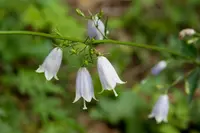
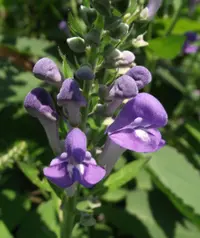
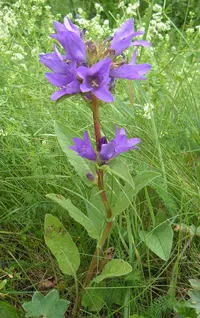
Clustered bellflower, Campanula glomerata, is a hardy, clump-forming perennial grown mainly for its tight clusters of bell-shaped purple or blue flowers. It typically forms upright stems above a low mound of green foliage, creating a compact, vertical accent in borders or cottage-style plantings.

This species is native to parts of Europe and Asia, where it grows in meadows, open woodlands, and grasslands. It is generally easy to grow, adapting well to many garden soils and tolerating cold climates.

Once established, it responds well to moderate moisture and reasonably sunny conditions, which simplifies how to care for clustered bellflower in typical home gardens.

Main Plant Requirements

Care Difficulty

Easy Care

Light Preference

Partial Sun

Water Requirements

Moderate Water

Temperature Preference

Cold Hardy

Hardiness Zone

3–8

Soil Texture

Loamy, Sandy, Clay

Soil pH

Acidic (5.5–6.5), Slightly acidic (6.5–7.0)

Soil Drainage

Moist but well-drained

Fertilization

Minimal (feed rarely)

Get Personalized Care Plan

Scan your plant to receive care tips personalized for your specific plant

Available on iOS and Android

How to Care for the clustered bellflower

Campanula glomerata prefers bright conditions with some protection from intense midday sun.

  • Provide 4–6 hours of direct morning sun with light afternoon shade, or bright dappled light all day.
  • Plant in a spot that receives partial shade in hotter climates, as strong afternoon sun can scorch leaves and fade blooms on clustered bellflower.
  • If stems stretch or flowering declines, the site is likely too shady; consider moving to a slightly brighter position, especially in spring and early summer.

This plant prefers evenly moist, free-draining soil without long periods of drought or saturation.

  • Water when the top 3–5 cm of soil feels dry, applying enough to moisten the root zone, then let excess drain away.
  • In spring and summer, monitor closely during warm, dry spells; in cool or rainy seasons, reduce watering to avoid waterlogged soil and root rot.
  • Wilting with dry soil indicates underwatering, while yellowing lower leaves, soft stems, or a sour smell in the soil suggest overwatering for Campanula glomerata.

This hardy perennial tolerates a wide temperature range but flowers best in cool to mild conditions.

  • Optimal growth occurs around 60–75°F (16–24°C), with strong flowering in cooler periods of late spring and early summer.
  • The plant survives winter cold down to about -20°F (-29°C) in the ground when soil is well drained and roots are mulched lightly.
  • In hot summers above 85°F (29°C), provide afternoon shade and consistent soil moisture to limit heat stress and prevent foliage scorch.

Humidity is rarely critical for clustered bellflower, which grows well in typical outdoor conditions of temperate climates.

Campanula glomerata prefers moderately moist, well-structured soil with reliable drainage.

  • Use a loamy, slightly sandy structure enriched with organic matter such as compost to support root growth.
  • Aim for slightly acidic to neutral pH, roughly 6.0–7.0, as strongly alkaline substrates can reduce nutrient uptake.
  • Improve drainage and aeration by blending coarse sand or fine gravel into heavier clay-based garden soil.
  • Avoid waterlogged, compacted, or peat-only mixes, which promote root rot and poor oxygen availability around the roots.

This species is suitable for container growing when moisture and stability are carefully managed.

  • Choose a pot wide enough to allow its clumping habit to spread, preventing crowding that can dry the root zone unevenly.
  • Select a heavier material such as ceramic or clay to stabilize the upright flowering stems against wind.
  • Raise the container slightly on feet or bricks outdoors so excess water clears the drainage holes quickly after rain or watering.

Campanula glomerata benefits from modest feeding to support flowering but does not need heavy fertilization.

  • Use a balanced, water-soluble fertilizer (for example 10-10-10) at 1/2 strength for caring for clustered bellflower in containers or poor soil.
  • Apply every 4–6 weeks during spring and early summer while growth and flowering are active.
  • On rich garden soils, use a light layer of compost in spring instead of frequent synthetic feeds.
  • Stop feeding in late summer and avoid fertilizing in winter dormancy to prevent weak, frost-tender growth.

Campanula glomerata responds well to light, timely pruning that maintains compact growth and encourages more blooms.

  • In late spring and summer, deadhead spent flower clusters with clean hand pruners or scissors to extend the blooming season.
  • After the main flowering flush, shear back the stems by about 1/3 to promote bushier regrowth and possible rebloom.
  • Remove dead, damaged, or weak stems at the base in early spring to improve air flow and overall plant health.
  • Cut back old foliage to just above ground level in late autumn or very early spring to refresh the clump.

This species is more often grown in garden beds than pots, so focus on site selection and careful transplanting.

  • Transplant in early spring or early autumn when temperatures are mild and soil is moist but not waterlogged.
  • Move clumps every 3–5 years if growth declines, the center dies out, or stems crowd neighboring plants.
  • Lift the clump with a fork, keeping as much root ball as possible, and replant at the same depth in well-drained soil.
  • Water thoroughly after transplanting, then keep soil evenly moist for 1–2 weeks to limit transplant shock and support root re-establishment.

Campanula glomerata is commonly propagated by division, but seeds can also be used for larger numbers of plants.

  • Divide mature clumps in early spring or early autumn, when temperatures are cool and soil moisture is stable.
  • Lift the clump, then split it into sections with several shoots and healthy roots using a sharp knife or spade.
  • Replant divisions immediately at the same depth in loose, well-drained soil and water gently but thoroughly.
  • For seed, sow on the surface of a moist seed mix in spring, keep at 60–70°F with light, and do not cover heavily.

Campanula glomerata is generally cold hardy in temperate climates and needs only modest winter care in the ground.

  • Tolerates typical winter frosts in much of the US once established, with foliage naturally dying back.
  • Apply a 3–5 cm layer of organic mulch after the ground cools to moderate soil temperature and reduce heaving.
  • For container plants, move pots to a sheltered, unheated but frost-sheltered spot or insulate containers to protect roots.

Care Tips

Staking flower stems

Place low, discreet stakes and soft ties around tall flowering stems in early summer to prevent flopping and breakage, especially in windy or exposed beds.

Controlled clump division

Divide congested clumps every 3–4 years in early spring or early fall, replanting only the healthiest outer sections to maintain flowering vigor and prevent the plant from becoming woody in the center.

Self-seeding management

Deadhead most spent flower clusters but leave a few to set seed in chosen areas if you want a naturalized look, then mark and thin seedlings the following spring to avoid overcrowding.

Targeted slug protection

Place slug traps or rough barriers such as horticultural grit around emerging shoots in spring, focusing on young growth where damage is most severe instead of treating the whole border.

Cool-root mulching

Apply a thin, airy mulch such as composted bark around but not against the crowns to keep roots cool, reduce soil splash on lower leaves, and make caring for clustered bellflower easier in summer heat.

Common Pests and Diseases

Aphids

This pest feeds on young shoots and flower stems, causing distortion, sticky honeydew, and reduced flowering. Symptoms include curling leaves, stunted growth, and sooty mold growing on the honeydew deposits.

Solution

Spray the stems and undersides of leaves with a strong stream of water to dislodge colonies, then treat remaining clusters with insecticidal soap or a ready-to-use neem oil spray labeled for ornamentals. Encourage or introduce beneficial insects such as lady beetles, and avoid high nitrogen fertilization that promotes soft, aphid-prone growth when following Campanula glomerata care instructions.

Slugs and snails

These pests chew irregular holes in foliage, often leaving only midribs on young leaves and visible slime trails around the plant. Damage is usually worst in cool, wet conditions and in dense plantings where foliage stays damp.

Solution

Hand-pick slugs and snails in the evening, reduce hiding spots by clearing debris, and use iron phosphate slug pellets or beer traps placed around, not touching, the crown. Improve air movement and avoid overhead evening watering so the soil surface dries more quickly and is less attractive to these pests.

Powdery mildew

This disease causes a white, powdery coating on leaves, especially on crowded clumps and in dry days with cool nights. Affected leaves can yellow, curl, and die back early, which weakens blooming over time.

Solution

Thin or divide congested clumps to increase airflow, water at soil level, and remove and discard heavily infected leaves. If needed, apply a sulfur or potassium bicarbonate fungicide labeled for powdery mildew on ornamentals, starting early in the season at the first sign of infection.

Rust

This disease produces small orange or brown pustules on the undersides of leaves and sometimes along stems, leading to yellowing and early leaf drop. Symptoms include scattered spotting that can coalesce into larger discolored patches under humid conditions.

Solution

Remove and destroy affected leaves as soon as symptoms appear, and avoid overhead watering that keeps foliage wet. Improve spacing and air circulation around the plant, and where rust is persistent, use a preventive or early curative fungicide labeled for rust on perennials according to the product directions.

Leaf spot

Symptoms include small brown or purplish spots that enlarge and sometimes develop pale centers, leading to tattered or thinning foliage. Spots often start on lower leaves where moisture lingers longest and can spread in warm, humid weather.

Solution

Cut off and discard spotted leaves and any dense, low foliage that stays wet, then water at the base to keep leaves dry. In recurring cases, apply a copper-based or chlorothalonil fungicide labeled for leaf spot on ornamentals, and clean up fallen plant debris in autumn to reduce next year’s infection source.

Interesting Facts

Dense flower clusters

This species forms tight, head-like clusters of bell-shaped flowers at the top of the stem and sometimes in the leaf axils, a trait that distinguishes it from many other Campanula species with more spaced, nodding blooms.

Eurasian grassland native

It is naturally distributed across much of Europe and parts of western Asia, where it typically grows in sunny to lightly shaded meadows, open woods, and calcareous grasslands on relatively well-drained, often lime-rich soils.

Clonal clump former

Campanula glomerata spreads slowly by short rhizomes, forming long-lived clumps that can persist for many years in the same site, which is useful to understand for long-term Campanula glomerata plant care in garden borders and wildflower plantings.

Botan icon

Did you know?

In traditional European hay meadows, this species has been used as an indicator of semi-natural, low-input grassland, because stable populations often reflect long-term continuity of extensive land management with limited fertilizer and disturbance.

FAQs about clustered bellflower

This species spreads by short rhizomes and self-seeding. In fertile, moist soil it can form dense clumps and lightly colonize nearby areas. Use edging, division, and deadheading to keep it within defined boundaries when growing clustered bellflower.

Grow Healthy Plants with Botan Care

Keep your plants happy and healthy with plant identification, disease detection, and easy care guidance.

Botan plant care app — identify plants on mobile

Explore More Plants