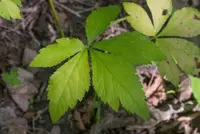
hoary skullcap Care (Scutellaria incana)

Also known as: Downy Skullcap
hoary skullcap

About hoary skullcap

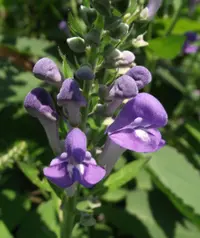
Hoary skullcap, Scutellaria incana, is a clump-forming perennial wildflower in the mint family. It naturally occurs in open woods, prairies, and sunny woodland edges in eastern North America. Plants produce upright square stems with softly hairy foliage and showy spikes of bluish to violet tubular flowers in summer, which attract bees and other pollinators. This species is generally undemanding if given full sun to light shade, moderately moist but well-drained soil, and space to form a small colony. Its drought tolerance and low need for fertilizing make it a good choice for low-maintenance native borders once you learn how to care for hoary skullcap.

Main Plant Requirements

Care Difficulty

Easy Care

Light Preference

Full Sun

Water Requirements

Moderate Water

Temperature Preference

Cold Hardy

Hardiness Zone

3–8

Soil Texture

Sandy, Loamy, Clay

Soil pH

Slightly acidic (6.5–7.0), Neutral (7.0)

Soil Drainage

Moist but well-drained

Fertilization

Minimal (feed rarely)

Get Personalized Care Plan

Scan your plant to receive care tips personalized for your specific plant

Available on iOS and Android

How to Care for the hoary skullcap

This perennial prefers bright conditions but benefits from some protection from intense midday sun.

  • Provide 6–8 hours of sun daily, ideally with full morning sun and light afternoon shade for hoary skullcap, especially in hotter regions.
  • Allow for light to partial shade (around 3–5 hours of direct sun) in areas with very strong summer sun to reduce leaf scorch and stress.
  • Watch stems and flowering: tall, sturdy, floriferous growth indicates enough light, while weak, floppy stems and sparse blooms suggest insufficient sun.

This species prefers evenly moist but not saturated soil, especially during active growth.

  • In the ground, water when the top 3–5 cm of soil feels dry, aiming for a deep soak rather than frequent light sprinkling to support deeper roots.
  • During spring and early summer, when Scutellaria incana is growing and flowering, monitor more often after hot, dry, or windy days, especially in sandy or fast-draining soils.
  • Reduce watering in late fall once foliage dies back; watch for yellowing, mushy stems as a sign of overwatering and crisp, drooping foliage as a sign of underwatering.

This hardy perennial tolerates a wide temperature range but grows best under moderate conditions.

  • Optimal growth occurs around 65–80°F (18–27°C); consistent warmth in this range supports strong stems and reliable flowering.
  • Mature plants in the ground tolerate winter lows near 0°F (-18°C) with proper mulching, but new plantings benefit from protection until well established.
  • In summer heat above 90°F (32°C), provide soil moisture and light afternoon shade to reduce stress, though short hot spells are usually tolerated if roots stay cool.

This species handles a wide humidity range, so humidity is rarely a limiting factor outdoors.

This plant prefers moderately fertile, well-drained mineral soils that do not stay wet for long.

  • Use a sandy or sandy-loam soil with some organic matter to support moisture retention without becoming heavy.
  • Aim for slightly acidic to neutral pH, roughly 6.0–7.0, which suits most Scutellaria incana stands in the wild.
  • Blend in coarse sand or fine gravel to improve drainage and aeration, especially in compacted or clay-based sites.
  • Avoid waterlogged, peaty, or heavily compacted soils, which promote root stress and increase susceptibility to rot.

This species can be grown in containers if the pot setup mimics its preference for airy, fast-draining roots.

  • Choose a deep, relatively narrow pot to support the taproot and prevent the plant from rocking in wind.
  • Use a heavier material such as clay if containers are exposed, since tall flowering stems can make the pot top-heavy.
  • Elevate the container slightly on feet or bricks so drainage holes stay clear and runoff does not reabsorb into the mix.

This native perennial needs only light feeding to support steady growth and flowering.

  • Use a balanced, slow-release granular fertilizer (around 10-10-10) or a thin layer of compost in early spring as new growth starts.
  • Apply once per growing season for established hoary skullcap; container plants may benefit from a second light feeding in midsummer.
  • Dilute liquid fertilizer to 1/2 strength for potted plants and water beforehand to avoid root burn.
  • Stop feeding in late summer so stems harden and the plant can enter dormancy without soft, frost-susceptible growth.

Scutellaria incana responds well to light, timed pruning that tidies plants and supports flowering.

  • Use clean hand pruners or scissors to remove dead, diseased, or storm-damaged stems whenever noticed.
  • In late spring to early summer, shear back spent flower spikes to encourage a neater mound and potential rebloom.
  • Thin out the most crowded or weak stems at the base to improve airflow and reduce foliar disease risk.
  • Cut back dead stems to just above ground level in late fall or early spring before new shoots emerge.

This species is usually grown in garden beds, so transplanting is more common than repotting.

  • Transplant in early spring or early fall when temperatures are mild and soil is evenly moist but not waterlogged.
  • Move plants if clumps become crowded, flowering declines, or growth slows despite good light and moisture.
  • Lift the clump with a spade, keep as much root ball intact as possible, and replant at the same soil depth.
  • Water thoroughly after transplanting, then keep soil slightly moist for 1–2 weeks to reduce root stress and support reestablishment.

Scutellaria incana can be propagated by seed, division, or softwood cuttings under suitable conditions.

  • Collect ripe seeds in late summer, sow shallowly in pots or trays, and expose to winter cold outdoors for natural stratification.
  • Divide established clumps in early spring, ensuring each division has several shoots and a healthy root portion.
  • Take softwood cuttings in late spring, use a sterile knife, dip in rooting hormone, and place in a moist, well-drained medium.
  • Maintain high humidity and bright, indirect light for cuttings, keeping the medium just moist until roots form.

This cold-hardy perennial needs minimal winter care in most temperate climates.

  • Tolerates typical winter frost in USDA zones 4–8 once established, with crowns surviving below freezing.
  • After hard frost, allow stems to die back, then cut them to ground level in late fall or early spring.
  • Apply a 5–8 cm layer of mulch around the root zone in colder areas, keeping it slightly away from the crown.

Care Tips

Pinch For Bushiness

Pinch out the soft tips of young stems once or twice in late spring to encourage branching and a fuller stand of hoary skullcap rather than a few tall, floppy spikes.

Staggered Cutting Back

After the first main flush of flowers, cut back only one-third to one-half of the stems by about 1/3 of their height to trigger new blooms while leaving enough stems to keep color and support pollinators.

Self-Seeding Management

If you want controlled reseeding, let a few healthy stems set seed and then cut back the rest promptly, or collect seed heads in small paper bags before they shatter to prevent unwanted spread.

Discreet Structural Support

In windy or exposed sites, insert low, ring-style supports or short, green stakes around clumps in late spring so the stems can grow through them and remain upright without obvious tying later in the season.

Targeted Pest Monitoring

Check the undersides of leaves and stem nodes every 1–2 weeks from late spring through summer for early signs of chewing or sap-sucking insects, and spot-treat only affected stems rather than the whole planting when caring for hoary skullcap.

Common Pests and Diseases

Powdery mildew

This disease appears as a white to gray, dusty coating on leaves, especially in late summer in warm, humid conditions with poor air movement. Symptoms include distorted growth and premature leaf drop when infection is heavy.

Solution

Improve spacing and airflow around plants, avoid overhead watering late in the day, and remove heavily infected leaves to reduce spore load. For recurring problems, apply a sulfur or potassium bicarbonate fungicide labeled for ornamentals at the first sign of disease, following label directions carefully.

Leaf spot

This disease causes small brown to purplish spots on leaves that may coalesce into larger dead patches under prolonged wet conditions. Symptoms include thinning foliage and reduced vigor on stressed plants.

Solution

Remove and dispose of affected leaves and any heavily infected stems, and keep irrigation directed at the soil rather than the foliage. In sites with chronic issues, improve drainage and airflow and consider using a copper or chlorothalonil-based fungicide during long wet periods if cultural steps are not sufficient.

Aphids

These insects cluster on tender stems and the undersides of leaves, sucking sap and excreting sticky honeydew that can lead to sooty mold growth. This pest may cause leaf curling, yellowing, and distorted new growth, especially on young hoary skullcap plants.

Solution

Dislodge colonies with a firm stream of water, and encourage natural predators such as lady beetles by avoiding broad-spectrum insecticides. For persistent infestations, use insecticidal soap or a light horticultural oil, making sure to cover the undersides of leaves and repeating as needed according to label directions.

Spider mites

These pests are tiny sap-sucking arachnids that thrive in hot, dry weather and may cause fine stippling, bronzing, and eventual leaf drop. Symptoms include very fine webbing on the undersides of leaves when populations are high.

Solution

Increase humidity around the plant where feasible and spray foliage with a strong jet of water to knock mites off and break webs. If populations remain high, apply insecticidal soap or a horticultural oil registered for mites, ensuring thorough coverage and repeating at 5–7 day intervals as needed.

Rust

This disease produces small orange to brown pustules on the undersides of leaves, with corresponding pale or yellow spots on upper surfaces. Symptoms include premature yellowing and shedding of leaves when infections are severe.

Solution

Promptly remove and discard infected leaves to lower the amount of spores, and avoid overhead irrigation that leaves foliage wet for long periods. In beds with recurring rust, increase plant spacing and consider a preventive application of a labeled rust fungicide during conditions that favor disease, such as cool, moist weather.

Interesting Facts

Helmet-like flower lips

The two-lipped flowers have an enlarged upper lip that forms a helmet-like hood, a distinctive trait that helps guide specialized bee pollinators toward the nectar and pollen.

Late-season woodland bloomer

This species typically flowers in midsummer to early fall in bright woodlands and woodland edges, providing nectar and pollen after many spring and early-summer forest flowers have finished.

Preference for calcareous soils

In the wild it is often associated with calcareous substrates such as limestone-derived soils, which tend to be neutral to slightly alkaline and relatively well drained.

Botan icon

Did you know?

The common name hoary skullcap refers to the fine, grayish hairs covering its stems and leaf undersides, a subtle adaptation that can reduce water loss and give the plant a softly hoary, or silvery, appearance in the right light.

FAQs about hoary skullcap

The flowers are rich in nectar and strongly attract native bees, bumblebees, and various butterflies. Planting several together increases visibility to pollinators and supports local insect diversity in naturalistic borders, meadows, and wildlife-friendly gardens.

Grow Healthy Plants with Botan Care

Keep your plants happy and healthy with plant identification, disease detection, and easy care guidance.

Botan plant care app — identify plants on mobile

Explore More Plants