Cut Back Spent Spikes
After most flowers on a spike fade, cut the stalk back to the basal rosette to encourage new flowering stems and extend the blooming season.

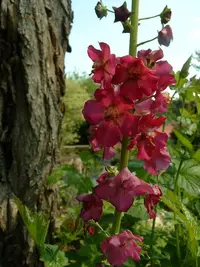
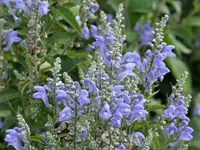
Purple mullein (Verbascum phoeniceum) is a short-lived perennial flowering plant known for its upright flower spikes and rosette of soft, oval leaves. It typically stays more compact than common mulleins, which makes it suitable for mixed borders and smaller gardens.
Flowers appear in shades of purple, pink, or white, and attract bees and other pollinators. The plant is native to parts of Europe and western Asia, where it grows in open, sunny areas and rocky grasslands.
It is generally considered easy to grow, as it tolerates poor, well-drained soils and some drought once established. Those who want to learn how to care for Purple mullein usually focus on providing sun and avoiding waterlogged conditions.

Care Difficulty
Easy Care

Light Preference
Full Sun

Water Requirements
Moderate Water

Temperature Preference
Cold Hardy

Hardiness Zone
4–8

Soil Texture
Sandy, Loamy, Rocky

Soil pH
Slightly acidic (6.5–7.0), Slightly alkaline (7.0–7.5)

Soil Drainage
Well-drained

Fertilization
Minimal (feed rarely)
Scan your plant to receive care tips personalized for your specific plant
Available on iOS and Android
Verbascum phoeniceum performs best in bright, open conditions with consistent sun exposure.
Verbascum phoeniceum prefers relatively dry conditions and is adapted to intermittent watering.
This species is a hardy perennial that tolerates a wide temperature range in typical garden conditions.
Humidity is not a major factor for Verbascum phoeniceum, which prefers dry air conditions.
This species prefers lean, well-aerated soil that drains quickly and never stays waterlogged.
This species can be grown in containers if the pot is set up to drain very freely.
This perennial grows well in average soil but benefits from modest feeding during active growth.
Pruning helps maintain flowering performance and a tidy shape in Verbascum phoeniceum.
This species is usually grown in garden beds, so focus on careful transplanting rather than frequent repotting.
New Verbascum phoeniceum plants are most often raised from seed, with division used more sparingly.
This perennial is generally cold hardy in much of the US and needs only modest winter care outdoors.

Plant Health Check
Not sure what's wrong with your plant? Check your plant's health inside the app.
Unlike most mullein species that have yellow flowers, this species naturally bears purple, pink, or white blooms, which is why it is often called purple mullein.
This plant behaves as a short-lived perennial or biennial, often flowering heavily for 2–3 seasons and then declining, especially in richer soils where it grows and blooms faster.
Its slender, upright flower spikes produce many small seeds that readily self-sow in open soil, allowing small colonies to form around the original plant without becoming aggressively invasive in most gardens.

Purple mullein was cultivated in European gardens as early as the 16th and 17th centuries for its unusually colored spires, and historical herbals often illustrated it separately from the more common yellow mulleins because of its distinctive appearance.
Lack of flowers often results from insufficient light, overly rich nitrogen-heavy soil, or young first-year rosettes that have not matured. Avoid hard cutting back in late spring, and allow plants to experience some winter chill for reliable flowering.
Keep your plants happy and healthy with plant identification, disease detection, and easy care guidance.