Flannel Flower Care (Actinotus helianthi)

Flannel Flower

About Flannel Flower

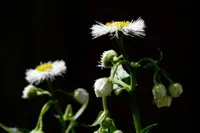
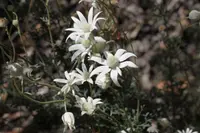
Flannel flower, Actinotus helianthi, is a small, soft-textured shrub native to coastal and sandstone heathlands of eastern Australia. It is known for its pale, felted foliage and star-shaped, daisy-like flower heads that appear in clusters above slender stems.

The plant has a compact, airy habit and often behaves as a short-lived perennial in cultivation. Its woolly leaves and bracts help it cope with sun, wind, and dry periods, but also make it sensitive to excess moisture and poor air movement.

It prefers bright light, low to moderate moisture, and very free-draining, sandy soil. These traits make it rewarding but somewhat challenging for gardeners still learning how to care for Flannel Flower.

Main Plant Requirements

Care Difficulty

Hard Care

Light Preference

Full Sun

Water Requirements

Low Water

Temperature Preference

Tropical / Frost Sensitive

Hardiness Zone

10–11

Soil Texture

Sandy, Loamy, Rocky

Soil pH

Acidic (5.5–6.5)

Soil Drainage

Well-drained

Fertilization

Minimal (feed rarely)

Get Personalized Care Plan

Scan your plant to receive care tips personalized for your specific plant

Available on iOS and Android

How to Care for the Flannel Flower

This Australian native prefers bright, open conditions that mimic its natural heathland habitat.

  • Provide 6–8 hours of direct sun daily, ideally with gentle morning sun and light afternoon shade to protect the delicate Flannel Flower bracts.
  • In hot inland or summer conditions, use dappled or filtered light after midday to limit leaf scorch and bleaching.
  • In cooler or coastal climates, full sun is suitable year-round, but in winter ensure at least 4–5 hours of unobstructed light to maintain compact, floriferous growth.

This species prefers slightly dry, free-draining conditions and is sensitive to prolonged moisture around the roots.

  • Allow the top 3–5 cm of soil to dry between waterings, then water deeply so it drains quickly through the profile.
  • In cooler months, reduce watering frequency, relying on rainfall where possible, as Actinotus helianthi is prone to root rot in cold, wet soils.
  • Watch for limp, shrivelling stems as a sign of underwatering, and yellowing, soft bases or a sour soil smell as early indicators of overwatering.

This plant thrives in mild, low-humidity climates with warm days and cool, but not freezing, nights.

  • Aim for an active growth range of 65–77°F (18–25°C), which supports steady foliage, root, and flower development.
  • Protect from frost; brief dips to 32°F (0°C) may be survived, but damage often appears as blackened, mushy stem tips and distorted new growth.
  • During hot periods above 90°F (32°C), provide afternoon shade and ensure good airflow to limit heat stress, wilting, and premature flower decline.

This species prefers moderately dry, airy conditions and usually does not need elevated humidity.

  • Target 30–50% humidity, similar to most indoor living areas or a sheltered outdoor patio.
  • Flannel Flower tolerates drier air well but prolonged humidity above 60% increases fungal spot and stem rot risk.
  • Watch for limp, darkening foliage as a sign of excess humidity and improve airflow rather than misting or grouping plants.

Actinotus helianthi needs very free-draining, low-fertility soil that mimics sandy, rocky native habitats.

  • Use a sandy, gritty mix such as 50–60% coarse sand or fine gravel with the rest a low-organic native or cactus potting mix.
  • Aim for slightly acidic to neutral pH around 6.0–7.0, avoiding strongly alkaline or peat-heavy blends that hold water too long.
  • Improve aeration by adding coarse perlite or pumice, keeping particles relatively large so water moves quickly through the profile.
  • Avoid dense loam, clay, or rich compost-based mixes, which lead to root rot and short plant lifespan even if watering is careful.

This species can be grown in containers if drainage is excellent and the mix stays on the dry side between waterings.

  • Choose a wide, shallow pot to suit its fibrous root system and reduce water sitting deep in the container profile.
  • Select terracotta or other porous materials to let the mix dry faster in humid or rainy climates.
  • Raise the pot on feet or mesh so drainage holes stay clear and excess water runs off quickly in outdoor settings.

This Australian native benefits from only light feeding, as excessive nutrients can weaken Flannel Flower growth.

  • Use a low-phosphorus, slow-release native plant fertilizer or very dilute balanced NPK (around 1/4 strength).
  • Feed sparingly in spring and early summer, no more than every 6–8 weeks during active growth.
  • Avoid rich composts or manures that hold excess moisture or add too much phosphorus.
  • Stop feeding in late summer to autumn so plants harden off before cooler conditions.

Selective pruning helps keep Actinotus helianthi compact and encourages more flowering stems.

  • Best time is after the main flowering flush, trimming lightly to shape the plant and remove spent flower stems.
  • Cut out dead, damaged, or leggy shoots with clean, sharp snips to maintain an open, airy habit.
  • Avoid cutting into very old woody tissue; focus on green, flexible growth for faster recovery.
  • Disinfect tools before and after use to reduce the risk of fungal or bacterial problems.

This species dislikes disturbance, so any repotting or transplanting must be done carefully and infrequently.

  • Look for roots circling the pot drainage holes or clear slowing of new growth as signs a move is needed.
  • Aim to transplant or repot in late winter to early spring, just before strong new growth begins.
  • Plan on repotting only every 2–3 years, shifting to a slightly larger container with very free-draining, sandy mix.
  • Handle the root ball gently, keep it as intact as possible, then water once and allow the mix to dry slightly between waterings.

New plants are most often raised from seed, with vegetative methods used less often due to sensitivity to disturbance.

  • Sow fresh seed in late winter to early spring in a very well-drained, sandy mix, barely covering the seed.
  • Provide bright light, good air movement, and mild temperatures around 60–70°F for germination.
  • Keep the medium just slightly moist, never wet, to limit damping-off and root rot.
  • Transplant seedlings only when they have several true leaves, disturbing roots as little as possible.

This plant prefers mild winters and is only lightly frost tolerant, so some protection is helpful in colder climates.

  • In regions colder than USDA zone 9, grow in containers and move plants indoors to a bright, cool room before frost.
  • Outdoors in mild areas, apply a light, dry mulch around the root zone to buffer short cold spells.
  • Keep soil on the drier side in winter to reduce root damage from cold, wet conditions.

Care Tips

Improve Root Aeration

Use a shallow, wide pot and avoid compacting the mix so the fine, fibrous roots receive good air circulation and are less prone to rot.

Seasonal Lifespan Planning

Treat plants as short-lived perennials in many garden situations and stagger plantings every 1–2 years so flowering displays remain consistent as older plants decline.

Controlled Container Culture

In regions with heavy summer rain or poorly drained soil, grow plants in containers under cover during the wettest months to prevent root diseases and extend plant longevity.

Gentle Handling Only

Handle stems and flower heads carefully during planting or transport, as the felted foliage bruises easily and damage often leads to dieback of affected shoots.

Targeted Flower Harvest

If using stems as cut flowers, harvest only a portion of the blooms on each plant and cut just above a leaf node to encourage some branching instead of leaving bare stubs.

Common Pests and Diseases

Botrytis blight

This disease causes brown, water-soaked spots on flowers and bracts that quickly become covered with grey, fuzzy mould, especially in cool, damp weather. Symptoms include collapse of flower heads and discolored, mushy tissue around the bases of the flower stalks.

Solution

Remove and discard all affected flower heads and surrounding tissue, and avoid overhead watering so the foliage and flowers dry quickly. Improve airflow, reduce humidity around the plant, and, if outbreaks are recurring, use a registered fungicide labeled for Botrytis on ornamental plants, following local guidelines.

Powdery mildew

This disease produces a white, powdery coating on leaves and bracts that can cause yellowing, distortion, and premature leaf drop. Symptoms include reduced flowering and a general loss of vigor, especially in crowded or shaded plantings.

Solution

Increase light and air movement around the plant, remove heavily affected leaves, and water at the base to keep foliage dry. In persistent cases, apply a sulfur or potassium bicarbonate-based fungicide labeled for powdery mildew and avoid excessive nitrogen fertilization that promotes soft, susceptible growth.

Phytophthora crown rot

This disease affects the crown and root collar, leading to sudden wilting, yellowing, and collapse of plants, often while the soil is still moist. Symptoms include dark, discolored tissue at the crown where stems meet the soil, common in poorly drained or frequently watered sites.

Solution

Uproot and discard severely affected plants including surrounding soil, and avoid replanting in the same spot without improving drainage or raising the bed. For Actinotus helianthi care, use very free-draining, sandy substrate, keep watering light, and avoid water pooling around the crown; fungicidal drenches are only partially effective and best used preventively in high-risk sites.

Scale insects

These insects appear as small, domed or shell-like bumps along stems and leaf midribs, sometimes producing sticky honeydew that attracts sooty mould. This pest can weaken plants, reduce flowering, and cause yellowing or dieback of fine stems.

Solution

Wipe or gently scrub off accessible scales with a soft cloth or brush dipped in dilute soapy water, and prune out heavily infested stems. For ongoing infestations, use horticultural oil or insecticidal soap thoroughly over stems and leaf undersides, repeating according to label directions and improving plant vigor with correct light and low-humidity conditions.

Two-spotted spider mites

These pests cause fine stippling on leaves, a dull or silvery appearance, and in heavier infestations fine webbing between leaves and stems, especially in hot, dry conditions. This pest can lead to leaf drop and general decline if left unmanaged.

Solution

Rinse foliage with a firm but gentle stream of water to dislodge mites and reduce dust, and increase ambient humidity slightly around the plant without creating persistent leaf wetness. If populations remain high, apply insecticidal soap or a horticultural oil to leaf undersides at 5–7 day intervals until new growth appears clean, and avoid placing plants in excessively hot, dry, stagnant air.

Interesting Facts

Flower-like bracts

The soft, felted white parts that look like petals are actually bracts, modified leaves that surround the small true flowers clustered in the center of each head.

Specialist pollinator visits

In its native sandstone heathlands of coastal New South Wales, this species is visited by a range of native insects, including small bees, flies, and beetles that are adapted to open, exposed habitats.

Adapted to poor soils

This plant is naturally adapted to very nutrient-poor, sandy soils and can be sensitive to high phosphorus levels that are common in many standard garden fertilizers.

Botan icon

Did you know?

The species name helianthi refers to its daisy-like resemblance to sunflowers in the genus Helianthus, even though the two groups are not closely related and belong to different plant families.

FAQs about Flannel Flower

Lack of blooms usually relates to insufficient light, overly rich or waterlogged soil, or pruning at the wrong time. Provide strong sun, sharply drained, low-nutrient soil, and avoid cutting healthy stems before or during flowering season.

Grow Healthy Plants with Botan Care

Keep your plants happy and healthy with plant identification, disease detection, and easy care guidance.

Botan plant care app — identify plants on mobile

Explore More Plants