Fischer monkshood Care (Aconitum fischeri)

Fischer monkshood

About Fischer monkshood

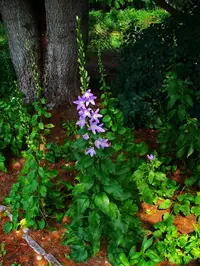
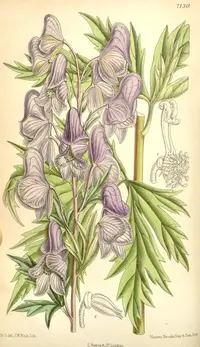
Fischer monkshood, Aconitum fischeri, is a hardy perennial herb grown mainly for its tall spikes of hooded blue to violet flowers. It forms clumps of deeply divided, glossy green leaves on upright stems, giving a tidy, vertical accent in mixed borders.

This species is native to cooler regions of East Asia, where it grows in mountain meadows and woodland edges. In gardens, it prefers cool conditions, consistent moisture, and fertile, well-drained soil.

Because all parts are poisonous, it requires careful handling and is not suitable for gardens with unsupervised children or pets. Those who care for Fischer monkshood generally find it reliable once established, provided it does not dry out or overheat.

Main Plant Requirements

Care Difficulty

Moderate Care

Light Preference

Partial Shade

Water Requirements

Keep Soil Moist

Temperature Preference

Cold Hardy

Hardiness Zone

3–7

Soil Texture

Loamy, Silty, Organic-rich

Soil pH

Acidic (5.5–6.5), Slightly acidic (6.5–7.0)

Soil Drainage

Moist but well-drained

Fertilization

Minimal (feed rarely)

Get Personalized Care Plan

Scan your plant to receive care tips personalized for your specific plant

Available on iOS and Android

How to Care for the Fischer monkshood

This cool-climate perennial prefers bright conditions without intense afternoon heat.

  • Provide 4–6 hours of sun, ideally morning sun with light afternoon shade, which supports strong flowering for Fischer monkshood.
  • Plant in a spot with dappled or open shade in hotter regions to prevent leaf scorch and premature wilting from harsh summer sun.
  • Avoid deep shade; stems become weak and floppy, and flowering declines if the plant receives less than about 3–4 hours of bright light daily.

This plant prefers consistently moist but not waterlogged soil.

  • Water when the top 3–5 cm of soil feels slightly dry, aiming to keep the root zone evenly moist during active growth in spring and summer.
  • Use soil with good drainage and organic matter so excess water can move away from roots, reducing the risk of rot in Aconitum fischeri.
  • In hot, dry weather, monitor for drooping leaves and dry soil; in cool or rainy periods, delay watering if the soil remains damp for several days.

This hardy perennial is adapted to cool to moderate climates with cold winters.

  • Optimal growing temperatures are 55–75°F (13–24°C), with vigorous growth and flowering in cool summers rather than hot, humid conditions.
  • Established plants tolerate winter lows down to about -20°F (-29°C) in the ground, dying back to the roots and resprouting in spring.
  • In regions where summer exceeds 85°F (29°C) for long periods, provide extra shade and mulch to keep roots cool and reduce heat stress.

This species handles typical outdoor humidity without special attention.

  • Prefers ambient humidity around 40–60% commonly found in temperate gardens.
  • Tolerates short dry spells, but prolonged very dry air plus heat can cause leaf edges to brown and curl.
  • In hot, arid conditions, group plants, mulch the soil, and water the root zone to slightly raise local humidity without wetting foliage.

Aconitum fischeri grows best in cool, moist, structured soil that does not stay waterlogged.

  • Use a deep, loamy soil rich in organic matter, such as garden loam mixed with compost or leaf mold for structure and moisture retention.
  • Ensure drainage by incorporating coarse sand or fine grit at 10–20% of volume so water drains freely yet roots stay evenly moist.
  • Aim for slightly acidic to neutral pH, around 6.0–7.0, avoiding strongly alkaline or chalky sites that limit nutrient uptake.
  • Avoid compacted clay or spots where water collects; improve aeration by double-digging and blending in well-rotted compost before planting.

This species can be grown in containers if the pot is large, stable, and drains very efficiently.

  • Choose a tall, heavy pot to support upright stems and prevent tipping in wind once the plant reaches full height.
  • Fill the container with a moisture-retentive but draining mix, such as 2 parts loam, 1 part compost, and 1 part coarse grit or perlite.
  • Raise the pot on feet or bricks so drainage holes stay clear, reducing the risk of root rot after heavy rain or frequent watering.

This perennial benefits from modest feeding but does not need heavy fertilization.

  • Apply a balanced, slow-release granular fertilizer (around 10-10-10) in early spring as new growth starts.
  • Supplement with a light application of compost around the root zone once per year to improve soil structure and nutrients.
  • During the growing season, use a half-strength balanced liquid feed every 4–6 weeks if growth or flowering is weak.
  • Stop feeding Fischer monkshood in late summer and avoid fertilization in fall and winter to prevent soft, frost-prone growth.

Pruning helps keep Aconitum fischeri tidy and supports healthy flowering.

  • In late winter or early spring, remove dead, damaged, or weak stems at the base using clean, sharp pruners.
  • After flowering, cut back spent flower spikes to encourage a neater clump and reduce unwanted self-seeding.
  • Lightly thin crowded stems to improve air circulation and reduce disease risk, maintaining the plant’s natural upright shape.
  • Wear gloves when pruning, as all parts are toxic, and dispose of clippings with household waste, not in edible compost.

This species is usually grown in the ground and prefers minimal disturbance once established.

  • Transplant in early spring or early fall when temperatures are mild and soil is workable.
  • Move only when necessary, such as poor flowering, overcrowding, or declining vigor despite good care.
  • Dig a wide hole, lift the clump with as much root and surrounding soil as possible, and replant at the same depth.
  • Water thoroughly after transplanting, provide light shade for 1–2 weeks, and keep soil evenly moist to reduce root stress.

Propagation is typically done by seed or careful division, but handling requires caution due to toxicity.

  • Divide mature clumps in early spring, lifting the plant with a fork and separating sections with several buds and roots.
  • Sow fresh seed in pots outdoors in fall; natural winter chilling supports germination in spring.
  • Use a moist, well-drained seed mix, keep containers in bright, indirect light, and avoid drying out or waterlogging.
  • Wear gloves, label clearly, and plant divisions or seedlings in a permanent site where they will not need frequent moving.

This hardy perennial usually needs minimal winter attention in temperate climates.

  • Tolerates typical USDA zone 3–7 winters once established, with buds protected underground.
  • After hard frost, allow stems to die back, then cut them to ground level and remove debris to limit disease.
  • Apply a 5–8 cm mulch layer over the root zone in late fall, especially in colder or exposed sites, keeping mulch off the crown.
  • Container plants are more vulnerable; overwinter pots in a sheltered, unheated space or heel them into the ground to insulate roots.

Care Tips

Use sturdy supports

Install discrete ring stakes or low wire hoops early in the season to keep tall stems upright and prevent wind damage once flower spikes become heavy.

Mulch for cool roots

Apply a 5–8 cm layer of leaf mold or composted bark around, but not touching, the crowns to keep the root zone cool, conserve moisture, and reduce weed competition.

Safe handling routine

Always wear gloves, long sleeves, and wash hands and tools after handling plants, as all parts are highly toxic and sap can irritate skin when caring for Fischer monkshood.

Companion planting buffer

Site plants behind a low hedge or in the middle of a border, away from paths and play areas, so children and pets do not brush against or handle the foliage and flowers.

Post-bloom management

After flowering, deadhead spent spikes to reduce unwanted self-seeding, then leave the foliage intact until it yellows naturally so the plant can recharge its roots for the next season.

Common Pests and Diseases

Powdery mildew

This disease produces white, powdery patches on leaves, stems, and flower stalks, often starting on lower or shaded foliage. Symptoms include distorted growth and reduced flowering in humid, stagnant conditions.

Solution

Improve air circulation around plants, avoid overhead watering, and remove heavily infected leaves. Apply a sulfur or potassium bicarbonate-based fungicide labeled for ornamentals at the first sign of infection, and space plants so foliage dries quickly after rain.

Downy mildew

This disease causes yellow or pale blotches on upper leaf surfaces with grayish or purplish fuzz on the undersides in cool, damp weather. Symptoms include leaf curling, premature leaf drop, and general decline of the clump.

Solution

Increase spacing and airflow, water at soil level in the morning, and promptly remove and discard infected foliage. In beds with a history of downy mildew, use a copper-based or phosphonate fungicide preventively during prolonged wet, cool periods and avoid overhead irrigation.

Aphids

These insects cluster on young stems and flower stalks, sucking sap and excreting sticky honeydew that can attract sooty mold. This pest can cause distorted new growth and weakened flower spikes, especially on lush, fertilized plants.

Solution

Spray colonies off with a strong stream of water, then treat remaining aphids with insecticidal soap or a neem oil product, coating stems and leaf undersides. Limit high-nitrogen fertilization that promotes very soft growth, and encourage natural predators such as lady beetles by avoiding broad-spectrum insecticides nearby.

Leaf miners

This pest creates winding, pale tunnels inside leaves as larvae feed between the leaf surfaces. Symptoms include serpentine trails, blotchy patches, and early browning of affected foliage on Fischer monkshood care instructions sites with nearby infested ornamentals or weeds.

Solution

Remove and dispose of mined leaves as soon as trails appear to interrupt the life cycle. In recurring cases, use a systemic insecticide labeled for ornamental perennials according to directions early in the season, and reduce nearby weed hosts that can harbor the insects.

Crown and stem blight

This disease starts as dark, water-soaked or brown lesions at the base of stems and crowns, often in poorly drained, overcrowded plantings. Symptoms include wilting despite moist soil, stem collapse, and rotting tissue at or just above soil level.

Solution

Cut out and destroy affected stems immediately, disinfecting tools between cuts, and improve drainage by amending soil and avoiding waterlogged sites. Thin or divide overcrowded clumps, avoid wounding crowns, and if losses are severe, remove and discard the entire plant and avoid replanting aconitum in the same spot for several years.

Interesting Facts

Northern East Asian origin

This species is naturally distributed in northeastern China, Korea, and the Russian Far East, where it grows in cool, moist mountain meadows and light woodland edges.

Distinctive hood shape

The deep violet-blue flowers form a tall spike, and each blossom has a pronounced helmet-like upper sepal, which is often more arched and elongated in this species than in several related monkshoods.

Highly toxic alkaloids

Like its relatives, this plant contains potent aconitine-type alkaloids in all parts, but cultivation data show that gardeners often choose it for ornamental use in cooler climates because it combines strong toxicity with reliable perennial flowering when handled carefully.

FAQs about Fischer monkshood

Lack of flowering usually comes from too much shade, recent division, or nutrient imbalance from high-nitrogen fertilizer. Ensure stable moisture, a cool root zone, and avoid heavy cutting in spring so the plant can build enough energy for buds.

Grow Healthy Plants with Botan Care

Keep your plants happy and healthy with plant identification, disease detection, and easy care guidance.

Botan plant care app — identify plants on mobile

Explore More Plants