Actaea erythrocarpa Care

Actaea erythrocarpa

About Actaea erythrocarpa

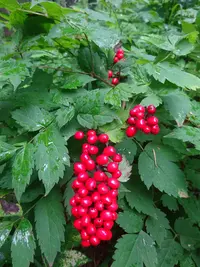
Actaea erythrocarpa is a shade-loving perennial from cool, moist mountain woodlands in parts of East Asia. It forms low clumps of divided, fern-like foliage. In late spring to early summer it produces small, white flowers, followed by clusters of bright red berries that stand out clearly above the leaves. The berries are ornamental but not for eating. This species prefers humus-rich, consistently moist soil and protection from hot, direct sun. Its need for cool, moist conditions makes it easier to grow in mild, woodland-style gardens than in hot, dry climates, which is important to understand when learning how to care for Actaea erythrocarpa.

Main Plant Requirements

Care Difficulty

Moderate Care

Light Preference

Partial Shade

Water Requirements

Keep Soil Moist

Temperature Preference

Cool Climate

Hardiness Zone

4–7

Soil Texture

Loamy, Silty, Organic-rich

Soil pH

Acidic (5.5–6.5), Slightly acidic (6.5–7.0)

Soil Drainage

Moist but well-drained

Fertilization

Minimal (feed rarely)

Get Personalized Care Plan

Scan your plant to receive care tips personalized for your specific plant

Available on iOS and Android

How to Care for the Actaea erythrocarpa

This woodland perennial prefers cool, shaded conditions with only brief direct sun.

  • Provide dappled or filtered light under deciduous trees, with 1–2 hours of gentle morning sun and full shade by early afternoon.
  • Avoid strong midday or afternoon sun, which can scorch foliage and dry soil quickly, especially during summer heat waves.
  • In hotter climates, plant Actaea erythrocarpa on the north or east side of structures so it receives bright shade all day and stays protected year-round.

This species needs consistently moist, humus-rich soil that never dries out completely.

  • Irrigate when the top 2–3 cm of soil feels barely dry, aiming for evenly moist conditions rather than cycles of wet and dry.
  • Improve drainage with organic matter so water infiltrates quickly yet the soil retains moisture, avoiding standing water around the crown and roots.
  • In hot, dry spells, watch for drooping leaves or crisp edges as signs to water more often, while yellowing, limp foliage may indicate chronic overwatering.

This hardy perennial is adapted to cool to mild climates with distinct seasons.

  • Optimal growth occurs around 55–70°F (13–21°C), with steady soil moisture supporting healthy foliage and flowering.
  • Mature plants tolerate winter cold down to about 0°F (−18°C) when mulched, dying back to the ground and resprouting in spring.
  • During summer, prolonged heat above 85°F (29°C) can stress plants, so provide shade, mulch, and reliable moisture to keep roots cooler and reduce leaf scorch.

This woodland perennial prefers consistently moist air but adapts to typical outdoor humidity in temperate gardens.

  • Aim for 50–70% humidity in shaded, sheltered sites that do not dry out quickly.
  • Tolerates short spells of drier air but foliage may droop, brown at edges, or wilt during hot, dry winds.
  • Increase humidity outdoors by mulching heavily, grouping shade plants, and avoiding exposure to strong, drying sun and wind.

This species needs moist, humus-rich, well-structured soil that never becomes waterlogged or bone dry.

  • Use a deep, loamy soil with plenty of organic matter such as leaf mold or compost to mimic woodland conditions for Actaea erythrocarpa.
  • Ensure drainage is moderate: soil should feel moist and springy, not sticky or compacted after rain.
  • Target a slightly acidic to neutral pH, around 6.0–7.0, which supports nutrient uptake and healthy root growth.
  • Improve aeration and drainage on heavier clay soils by incorporating composted bark, coarse sand, or fine gravel through the top 20–30 cm.

This species can be grown in containers, but only if the pot is large, deep, and kept consistently moist in shade.

  • Choose a tall, heavy container that resists tipping as the foliage becomes lush and top-heavy in summer.
  • Select a potting mix that holds moisture yet drains steadily, such as a peat-free mix amended with compost and fine bark.
  • Position the container in deep shade where wind exposure is low, reducing moisture loss and stress on the tall stems.

This woodland perennial needs only modest feeding in rich, humusy soil.

  • Apply a light dressing of garden compost or leaf mold around clumps in early spring to support growing Actaea erythrocarpa.
  • Use a balanced, slow-release fertilizer (around 10-10-10) at low label rates once in spring if soil is poor.
  • Dilute any liquid balanced feed to 1/2–1/4 strength and apply no more than once a month during active growth.
  • Stop feeding in late summer to autumn so the plant can harden off before winter dormancy.

This plant needs only light, maintenance pruning to stay healthy and tidy.

  • In late winter to early spring, remove dead or damaged stems at ground level with clean, sharp pruners.
  • Thin out weak or crowded shoots to improve air flow and maintain the natural clump shape of Actaea erythrocarpa.
  • Deadhead spent flower spikes if seed is not desired, which can direct energy back to root and foliage growth.
  • Disinfect tools before and after use to reduce the risk of spreading fungal or bacterial diseases.

This species is usually grown in the ground and dislikes frequent disturbance.

  • Transplant only when necessary, such as when clumps outgrow their space or crowd nearby plants.
  • Plan moves for early spring or early autumn, when temperatures are mild and soil is moist but not waterlogged.
  • Dig a wide, deep hole, lift the clump with as much rootball as possible, and replant at the same soil level.
  • Water thoroughly after transplanting, then keep soil evenly moist and shade Actaea erythrocarpa from strong sun to limit transplant shock.

Propagation is possible but slow, mainly by seed or careful division.

  • Sow fresh seed in pots or trays outdoors in autumn so natural winter cold provides the needed stratification period.
  • Use a moist, humus-rich, free-draining medium and keep seed pots in light shade for steady, cool germination.
  • Divide established clumps in early spring, taking large sections with several buds and substantial roots.
  • Replant divisions immediately at the same depth, water well, and maintain consistent moisture while new growth establishes.

This hardy woodland perennial usually needs minimal winter care in temperate climates.

  • Once frost has blackened foliage, cut stems back to a few cm above soil to reduce disease carryover.
  • Apply a 5–8 cm layer of leaf mold or compost mulch over the root zone to buffer freeze–thaw cycles.
  • In very cold or exposed sites, add extra mulch around Actaea erythrocarpa crowns but avoid covering them completely.

Care Tips

Mulch For Coolness

Apply a 5–8 cm layer of shredded leaf mulch around the clump each spring to keep roots cool, conserve moisture, and mimic the forest floor conditions this species prefers.

Shade-Companion Planting

Plant it among taller, deciduous shrubs or perennials that cast dappled shade in summer so the foliage and berries are protected from strong afternoon sun but still receive adequate spring light.

Moisture Monitoring Zone

Install a simple soil moisture probe in the root zone and check it weekly during warm weather to avoid both waterlogging and drought stress, which can reduce flowering and fruit set.

Slug And Snail Barriers

Ring the planting area with a band of coarse grit or crushed gravel and remove plant debris in early spring to reduce slug and snail damage to emerging shoots and young foliage.

Division For Rejuvenation

Every 5–7 years, divide overgrown clumps in early spring or early fall, replanting vigorous sections at the same depth to maintain flowering performance and long-term health when caring for Actaea erythrocarpa.

Common Pests and Diseases

Leaf spot

This disease causes small to medium brown or purplish spots on foliage that may merge into larger blotches, often starting on lower, older leaves in cool, damp weather.

Solution

Remove and dispose of affected leaves, avoid overhead watering, and improve air circulation around clumps; if leaf spots recur severely, use a copper-based fungicide labeled for ornamental perennials early in spring and after wet periods as part of broader Actaea erythrocarpa care instructions.

Powdery mildew

This disease produces a white to gray powdery coating on upper leaf surfaces, which can lead to yellowing and premature leaf drop in shaded, humid sites with poor air flow.

Solution

Thin crowded stems, increase spacing, and water at soil level to keep foliage dry; in persistent cases, apply a sulfur or potassium bicarbonate fungicide according to label directions at the first sign of the white coating.

Slugs and snails

These pests chew irregular holes in leaves, often along the edges, and may leave shiny slime trails on soil and damaged tissue, especially in moist, shaded beds.

Solution

Hand-pick at night, remove dense mulch right against the crowns, and use iron phosphate slug pellets or beer traps placed around the plants while keeping baits away from children and pets.

Root-knot nematodes

These microscopic worms attack roots, leading to swollen galls, reduced vigor, and stunted, yellowing foliage in light, sandy soils.

Solution

Remove and destroy severely affected plants, improve soil organic matter with compost, and rotate with non-host or resistant species; in problem areas, consider growing in large containers with clean, nematode-free potting mix.

Crown rot

This disease causes the base of the stems and crown to turn brown, soft, and water-soaked, leading to sudden wilting and collapse in poorly drained, heavy soils.

Solution

Dig out and discard affected plants along with surrounding soil, improve drainage with raised beds or organic matter, and avoid planting new Actaea in the same poorly drained spot; sterilize tools after working with diseased plants to reduce spread.

Interesting Facts

Bright red berry clusters

This species produces striking, glossy red berries held in tight clusters on branched stalks, which make it easy to distinguish from closely related white- and black-fruited baneberries in the same region.

Moist montane habitat

It is naturally associated with cool, moist, shaded montane forests and streamside slopes in parts of East Asia, typically growing in humus-rich soils under a deciduous canopy.

Highly poisonous fruits

Like other baneberries, its berries and other plant parts contain potent cardiogenic and neurotoxic compounds, and ingestion can cause severe poisoning in humans, so any attempt to grow Actaea erythrocarpa requires careful placement away from children and pets.

FAQs about Actaea erythrocarpa

This species forms small clumps and spreads slowly by short rhizomes and self-seeding. It is not typically aggressive, but seedlings may appear nearby. Unwanted seedlings can be removed easily to keep the colony controlled.

Grow Healthy Plants with Botan Care

Keep your plants happy and healthy with plant identification, disease detection, and easy care guidance.

Botan plant care app — identify plants on mobile

Explore More Plants