Mark Dormancy Period
Tag the pot with the expected dormant months and reduce disturbance during this time, since bulbs use this rest period to rebuild energy for the next growth cycle.

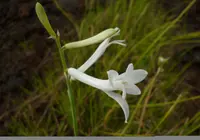
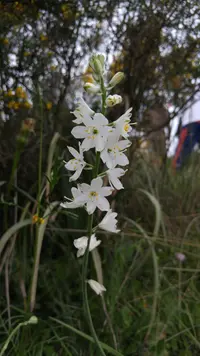
Dipcadi concanense is a small bulbous perennial from the asparagus family, producing slender, grass-like leaves and narrow, tubular flowers on upright stalks. It remains compact and unobtrusive, so it suits collectors who appreciate subtle, less showy bulbs.
This species is native to parts of peninsular India, where it grows in open, seasonally dry habitats with well-drained, often rocky soils. It has a marked rest period when the bulb stays dormant, which makes it moderately easy to manage if the dry season is respected.
In cultivation, it prefers bright light, low to moderate moisture, and gritty, fast-draining soil; understanding this seasonal rhythm is central to how to care for Dipcadi concanense.

Care Difficulty
Moderate Care

Light Preference
Full Sun

Water Requirements
Moderate Water

Temperature Preference
Warm Climate

Hardiness Zone
10–12

Soil Texture
Sandy, Loamy, Rocky

Soil pH
Slightly acidic (6.5–7.0), Neutral (7.0)

Soil Drainage
Well-drained

Fertilization
Minimal (feed rarely)
Scan your plant to receive care tips personalized for your specific plant
Available on iOS and Android
This bulb prefers bright conditions that mimic an open, rocky habitat.
This species behaves like a drought-tolerant bulb and needs careful, sparing watering.
This bulb prefers warm, dry seasons and mild, frost-free winters.
This bulbous species tolerates a wide humidity range and rarely needs special humidity management indoors.
This bulb prefers fast-draining, sandy soil that mimics its native rocky habitats.
This species is well suited to container growing, especially for controlling drainage around the bulbs.
This bulb is adapted to lean soils, so Dipcadi concanense needs only light feeding in cultivation.
Pruning needs for this bulb are minimal and focus on cleanliness rather than shaping Dipcadi concanense.
This small bulb is often grown in the ground, but container-grown plants benefit from infrequent repotting.
This species is usually propagated by bulbs and seed rather than vegetative cuttings.
This bulb prefers mild winters and benefits from some protection in colder regions.

Plant Health Check
Not sure what's wrong with your plant? Check your plant's health inside the app.
This species from the Western Ghats of India emerges and grows mainly during the monsoon season, producing its leaves and flowering stems in response to increased rainfall and soil moisture.
It is naturally restricted to lateritic and rocky grasslands in parts of southwestern India, making it a habitat specialist that depends on open, seasonally wet sites rather than forest shade.
The plant bears small, drooping, tubular flowers in greenish to brownish tones, which are less showy than many bulb flowers but typical of the genus and adapted to its open, grassy environment.
This bulb usually flowers in late winter to early spring, producing slender spikes of small, tubular, greenish to brownish blossoms. The flowers are not showy but have a distinctive, understated appearance that suits rock gardens or collectors.
Keep your plants happy and healthy with plant identification, disease detection, and easy care guidance.