


black flag (Ferraria crispa) Light Needs

black flag grows best in full sun, with bright seasonal light and several hours of direct exposure.

Light Preference

Full Sun

Ferraria crispa Light Requirements

Ferraria crispa is native to the winter-rainfall Cape region of South Africa, where it grows from underground corms in open, seasonally moist ground. Active growth takes place during cooler months, when low seasonal sun still reaches exposed sites before summer dormancy.

Cultivated plants follow the same pattern and need strong light while leaves are present. Preferred light is open full sun.

  • Ideal exposure:

    black flag needs about 6–8 hours of full sun or very bright light daily, including at least 4–6 hours of direct sun during active growth.

  • Direct sun:

    Established plants tolerate open sun well, especially in cool-season growth, but sudden intense afternoon exposure can mark tender new leaves.

  • Partial sun:

    A half-day of direct sun can work if the rest of the day stays bright and open.

  • Shade limits:

    Shade is not suitable; it usually leads to weak foliage and poor flowering.

Strong sun is usually tolerated, but abrupt exposure can still stress active growth.

Bleached patches:

Pale tan or whitish areas may appear on leaf surfaces that face the sun after a sudden move into brighter exposure.

Dry sunken marks:

Crisp, dry spots can develop where leaves touch hot surfaces or receive reflected afternoon heat.

Short-lived flowers:

Blooms may fade faster during hot, intense sun, especially in containers that heat up quickly.

Tip scorching:

Leaf tips may dry when bright sun combines with hot, windy conditions.

Move Ferraria crispa into strong morning sun or filtered midday light, then increase direct exposure gradually. Keep it in an open, bright site rather than deep shade.

Low light is more limiting than strong sun for this species during active growth.

  • Leaning foliage:

    Leaves may angle toward the brightest side instead of standing in a balanced clump.

  • Stretched growth:

    New leaves can become longer, softer, and less sturdy when direct sun is missing.

  • Poor flowering:

    Flowering may be sparse or absent if Ferraria crispa grows in shade through the cool season.

  • Weak shoots:

    New shoots may emerge slowly and stay smaller than expected for the season.

Shift the plant to a brighter open spot with several hours of direct sun. Increase exposure over several days if it has been shaded.

If full sun is not available, choose the brightest open site with direct morning sun and unobstructed sky for the rest of the day. This is the best compromise for Ferraria crispa light needs.

Rotate containers every 1–2 weeks while leaves are growing to keep foliage from leaning strongly toward one side.

A shaded porch, covered patio, or dim indoor shelf is unsuitable because it removes the direct sun needed for strong growth and flowering.

Get Personalized Care Plan

Scan your plant to receive care tips personalized for your specific plant

FAQ

This plant needs full sun during active growth, ideally about 6–8 hours of bright exposure with several hours of direct sun. Part sun can work if the site remains very bright.

More Plant Light Guides

Get the Botan App

Discover how to care for your plants with Botan.

Botan app identifying a plant with a phone camera
How to Repot a Plant: A Step-by-Step Guide

7 min read · 28 May 2026

How to Repot a Plant: A Step-by-Step Guide

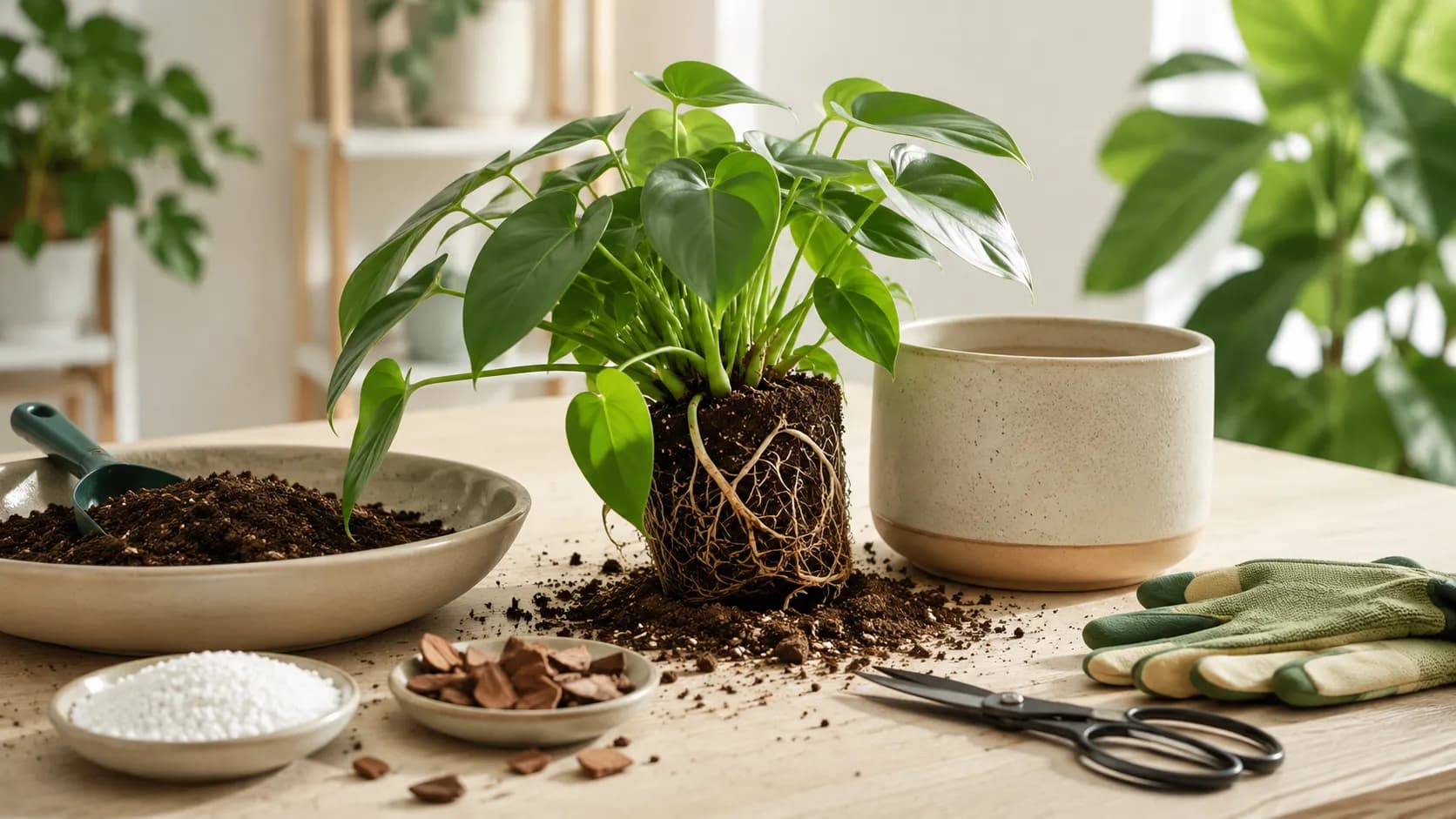
In spring, many plants need repotting—an essential part of care. To avoid stress, consider the plant’s type and size. This article offers a step-by-step guide for repotting indoors or outdoors and shows how to check plant health and get care tips using the Botan app.

Plant Care
How to Repot a Plant: A Step-by-Step Guide
How to Water Houseplants: Watering Guide

7 min read · 24 Aug 2026

How to Water Houseplants: Watering Guide

Learn how often to water indoor plants, key factors for proper watering, and how to adjust the care routine by plant type, season, pot size, light, and indoor conditions.

Plant Care
How to Water Houseplants: Watering Guide
12 Best Cold-Hardy Vegetables for Cold Weather

7 min read · 13 Oct 2026

12 Best Cold-Hardy Vegetables for Cold Weather

Cold-hardy vegetables can keep a garden productive through chilly fall, winter, and early spring weather. This guide covers 12 reliable crops, their frost tolerance, and practical growing tips for better cold-season harvests.

Plant Recommendations
12 Best Cold-Hardy Vegetables for Cold Weather