



Rosemary (Salvia rosmarinus) Light Needs

rosemary grows best in full sun, with long daily exposure and several hours of direct light.

Light Preference

Full Sun

Salvia rosmarinus Light Requirements

rosemary is native to the Mediterranean region, where it grows on dry, rocky slopes and open scrubland with clear skies and strong seasonal sun. In these habitats, plants receive direct light for much of the day, with only brief shading from surrounding vegetation or terrain. This background explains why cultivated plants stay denser, stronger, and more aromatic in full sun. Preferred light is full sun.

  • Ideal exposure:

    rosemary needs about 6–8 hours of bright light daily, ideally full sun, including at least 6 hours of direct sun when grown outdoors.

  • Strong sun:

    Established plants tolerate full sun well, including warm afternoon sun, when introduced gradually and not moved from shade suddenly.

  • Partial sun:

    4–6 hours of direct sun can sustain growth, but stems may be softer and flowering is usually reduced.

  • Shade risk:

    Low-light positions are unsuitable because growth stretches, dries slowly, and loses the compact form this species is grown for.

Indoors, place it where direct sun reaches the foliage for much of the day.

NPoor
North-facing window:

A north window is usually too dim and does not provide enough direct sun for compact growth.

ESuitable
East-facing window:

An east window can work if it gives several hours of direct morning sun and the plant sits close to the glass.

SBest
South-facing window:

A south window is the best indoor choice because it gives the longest, strongest sun in most US homes.

WSuitable
West-facing window:

A west window is suitable when the plant is acclimated, but hot afternoon sun may need light filtering in summer.

If indoor growth becomes sparse, move it closer to the brightest safe glass rather than deeper into the room.

Excess light is most likely after a sudden move into harsher sun.

Bleached shoot tips:

New growth may look pale gray or straw-colored on the side facing intense afternoon sun.

Dry, brittle patches:

Needles can develop crisp tan areas after abrupt exposure to hot, direct light or reflected heat.

Scorched outer side:

Damage often appears on the most exposed side while shaded inner growth stays greener.

Stalled new growth:

Salvia rosmarinus may pause at shoot tips during extreme heat and sun, especially in containers near walls.

Move the plant out of reflected heat and reintroduce stronger sun over 7–10 days. Provide light afternoon filtering during heat waves if scorch continues.

Low light shows through shape before the plant fully declines. Salvia rosmarinus needs a bright position to keep compact growth.

  • Long, thin stems:

    New shoots stretch toward the brightest side instead of staying short and sturdy.

  • Wide leaf spacing:

    Foliage appears more open, with longer gaps between clusters of needle-like leaves.

  • Reduced flowering:

    Buds may be sparse or absent when daily direct sun is limited for many weeks.

  • Small new growth:

    Fresh tips may form slowly and stay weak during spring and summer.

  • Leaning habit:

    The whole plant may angle toward the window or brightest outdoor opening.

Move it gradually into a sunnier location with several hours of direct light. Rotate the pot after moving so new growth develops more evenly.

If ideal full sun is not available, choose the brightest outdoor spot with 4–6 hours of direct sun and avoid shade from walls, fences, or overhangs.

Move containers a few feet away from reflective walls during hot spells, then return them after the harshest afternoon light eases.

Do not rely on a dim kitchen counter or shelf; that setup cannot meet Salvia rosmarinus light needs.

Get Personalized Care Plan

Scan your plant to receive care tips personalized for your specific plant

FAQ

The best light for rosemary is full sun, with long, bright exposure and several hours of direct sun. Choose an open site rather than dappled shade for strongest growth.

More Plant Light Guides

Get the Botan App

Discover how to care for your plants with Botan.

Botan app identifying a plant with a phone camera
How to Mist Plants – Proper Technique and Common Mistakes

7 min read · 30 Jul 2026

How to Mist Plants – Proper Technique and Common Mistakes

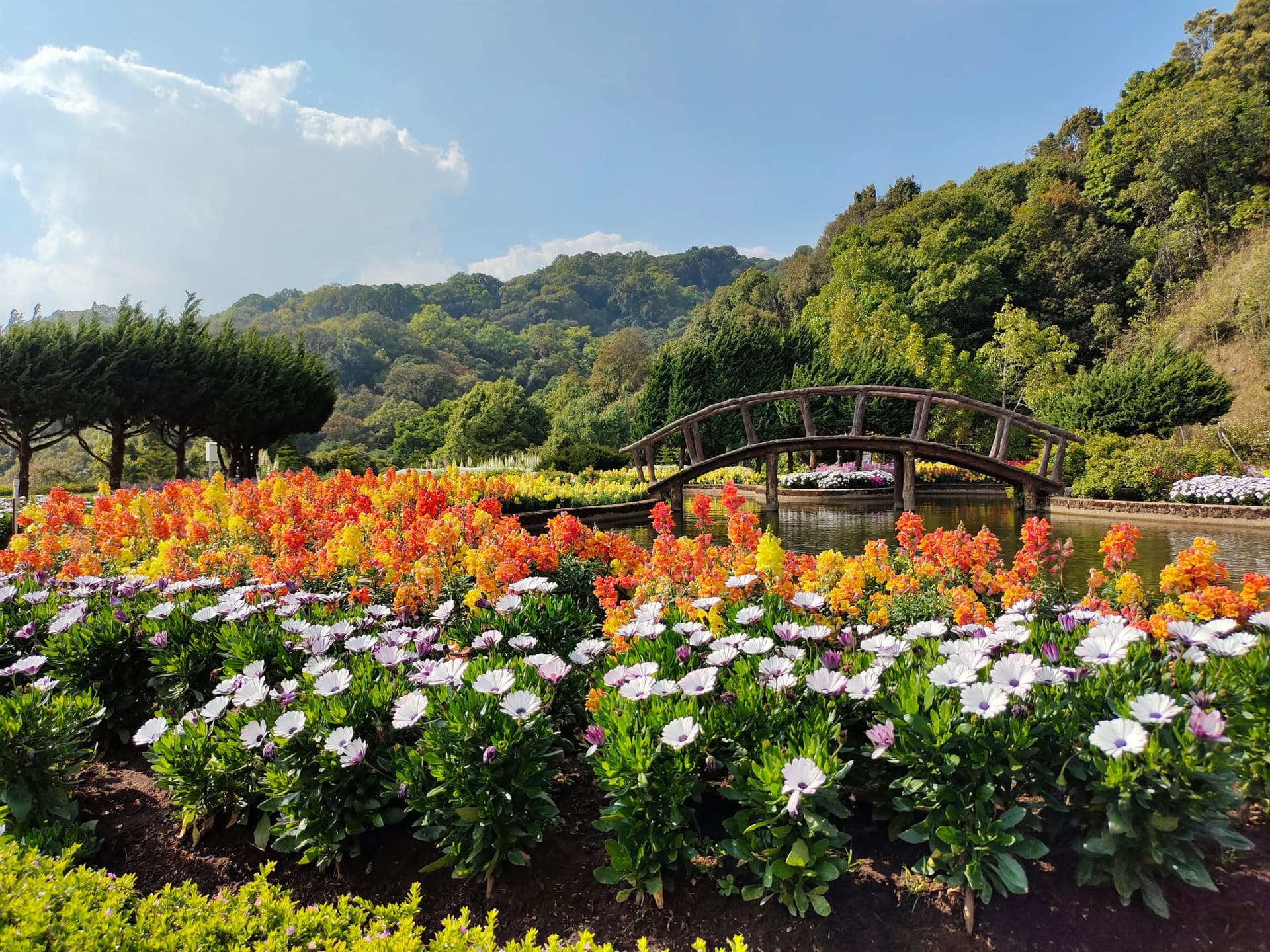
Find out when misting works well and when to avoid it. Here, you’ll find detailed information about compatible and incompatible species, tips on how often to mist plants and do it correctly, and some great alternatives for raising humidity.

Beginner Guides
How to Mist Plants – Proper Technique and Common Mistakes
10 Easy Garden Flowers to Grow

8 min read · 10 Sept 2026

10 Easy Garden Flowers to Grow

Discover 10 garden flowers that require minimal care. Learn which characteristics make plants easy to grow and follow tips on how to create a beautiful corner from beginner-friendly blooms on your property.

Beginner Guides
10 Easy Garden Flowers to Grow
How to Water Houseplants: Watering Guide

7 min read · 24 Aug 2026

How to Water Houseplants: Watering Guide

Learn how often to water indoor plants, key factors for proper watering, and how to adjust the care routine by plant type, season, pot size, light, and indoor conditions.

Plant Care
How to Water Houseplants: Watering Guide