
English lavender (Lavandula angustifolia) Watering Guide

This page explains when, how often, and how much to water Lavandula angustifolia for practical, consistent care.

Water Requirements

Low Water

Lavandula angustifolia Watering

Native to dry Mediterranean slopes, Lavandula angustifolia is adapted to lean, quick‑drying soils with modest rainfall. It prefers soil that dries between waterings rather than staying evenly moist, especially in-ground outdoors.

As a result, watering English lavender centers on restraint and light, infrequent sessions. Indoor pots generally need slightly more attentive watering than established outdoor plants, but the goal remains sparing moisture, not constant dampness.

Water when the top 1–2 inches (3–5 cm) of soil feel completely dry and the pot feels noticeably lighter. This typically means about every 10–14 days in warm, bright conditions, less often in cool seasons. Hot outdoor sites or very small pots may shorten the interval.

Water English lavender when the top 2 inches (5 cm) of soil feel completely dry, using a thorough but brief soak.

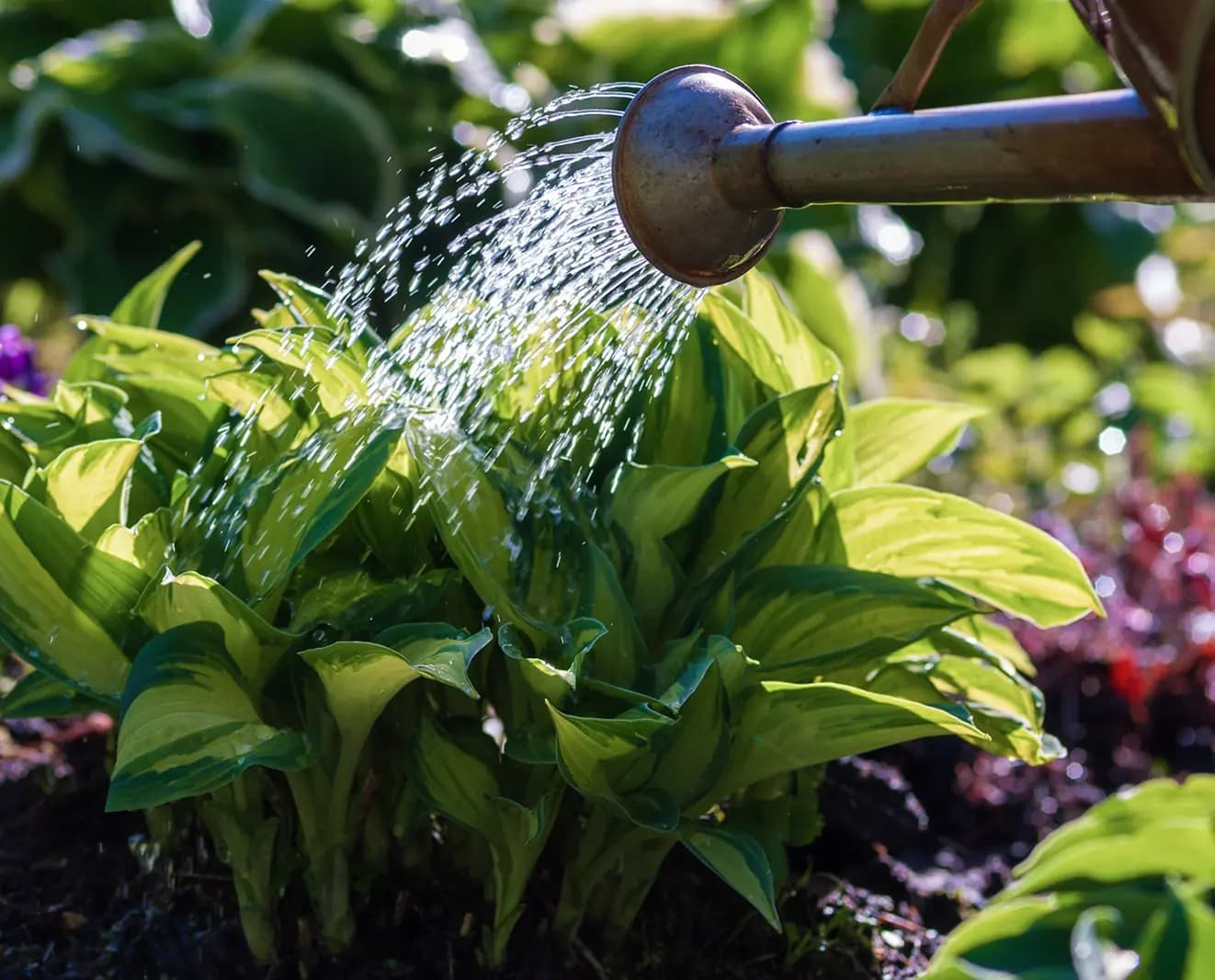
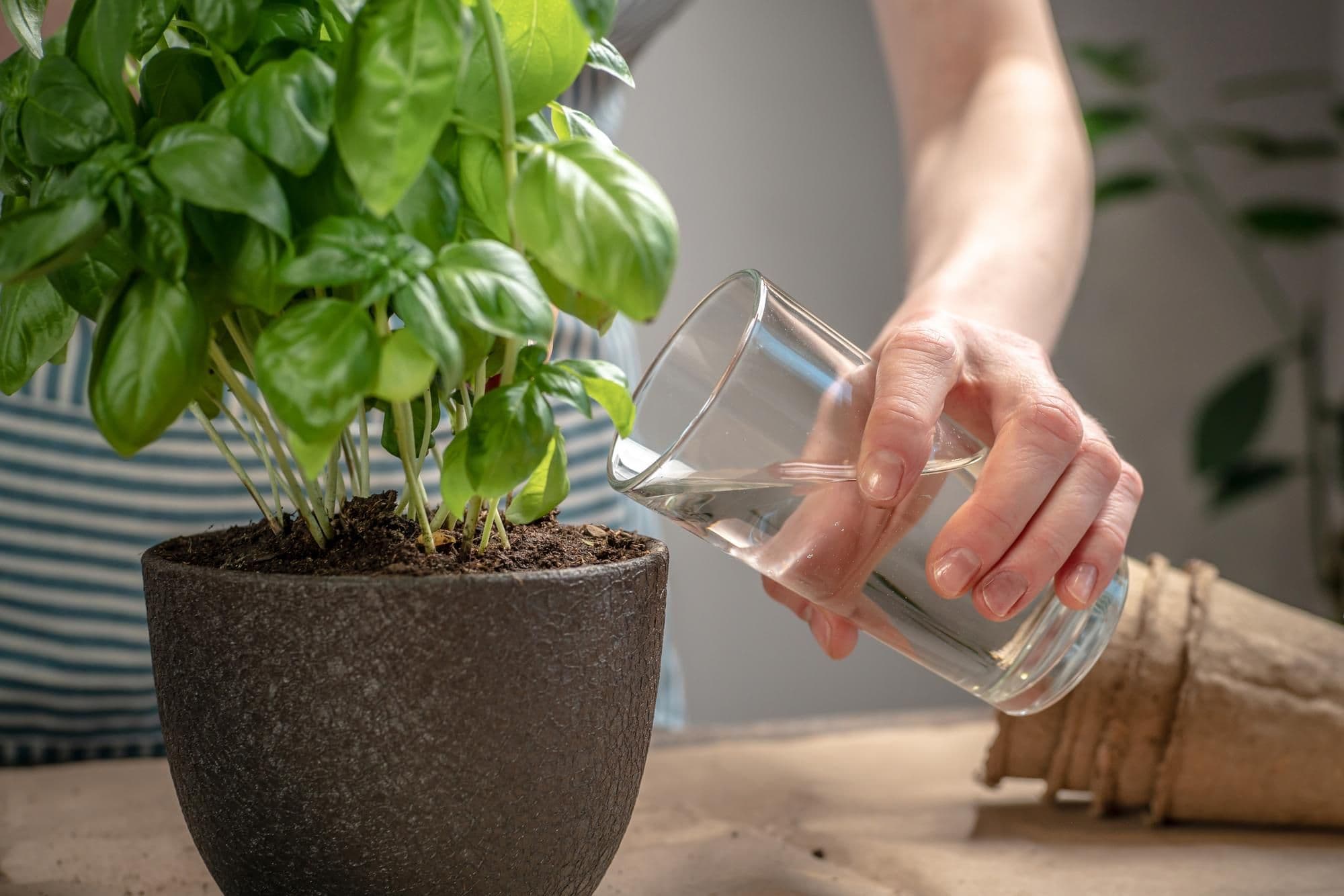
  • Pour room-temperature water slowly at the base of the plant, keeping foliage and woody stems as dry as possible.
  • Water in a single, steady pass until the soil is evenly moist through the root zone but not saturated.
  • Let excess water drain freely from the pot, then empty saucers or cachepots so the container never sits in standing water.
  • For in-ground plants, direct water near the crown on bare soil, avoiding mulch-covered or heavily compacted spots that shed water.

Incorrect moisture levels can trigger health problems in Lavandula angustifolia grown indoors or outdoors.

Yellowing Lower Foliage:

Older leaves turn dull yellow from persistently wet soil and poor drainage around the roots.

Wilting With Damp Soil:

Stems droop and foliage softens despite moist substrate, indicating oxygen-starved roots and emerging rot.

Brown, Woody Base Blackening:

Lower stems darken and crumble near soil line after chronic overwatering and restricted air movement.

Grey, Fluffy Stem Growth:

Soft grey mold appears on stems when foliage stays wet and humidity remains high around plants.

Stunted, Pale New Growth:

Weak, sparse shoots develop when watering is too frequent and soil never fully dries between soakings.

Let soil dry well between deep waterings, favoring airy, fast-draining conditions over prolonged moisture contact.

Unsuitable watering habits weaken Lavandula angustifolia by stressing its drought-tolerant roots and creating conditions that favor decline instead of steady growth.

  • Watering by calendar: Following a fixed schedule keeps soil either constantly wet or very dry; instead, check dryness with a finger before watering.
  • Heavy, soggy soil: Using dense potting mixes traps moisture around the roots; choose a fast-draining blend with extra mineral grit instead.
  • Leaving water in saucers: Letting containers sit in runoff keeps roots saturated; always empty saucers shortly after watering so excess can drain away.

For English lavender, water only after the soil partly dries, then let extra moisture escape quickly through well-drained soil and containers.

  • Spring: As new growth resumes, water when the top 2 inches of soil dry, then let the root zone dry slightly deeper between waterings.
  • Summer: In hot, dry conditions, check soil more often and give a deep soak only when it is fully dry several inches down.
  • Fall: As temperatures cool and growth slows, extend the interval between waterings, keeping soil on the dry side to harden growth before winter.
  • Winter: For in-ground plants in mild climates, rely mostly on rainfall; in containers, water sparingly just enough to prevent the root ball from desiccating.

Not Sure When to Water? Botan Knows

Use Botan to get a clear watering guide and care steps for English lavender, plus gentle photo-based checks that help identify leaf, stem, or soil issues early.

Botan plant care app — identify plants on mobile

Interesting Watering Facts

Thrives on Low Rainfall

Lavandula angustifolia is native to dry, stony slopes in the western Mediterranean, where annual rainfall is relatively low and soils drain quickly. Its roots and leaf structure are adapted for efficient water use, so it grows better with modest, infrequent moisture than in constantly damp conditions.


Leaves Built for Drought

The narrow, often slightly rolled leaves of Lavandula angustifolia reduce surface area and water loss, while fine hairs trap a thin layer of still air. This leaf design limits transpiration, helping the plant maintain hydration under strong sun and drying winds.

Root Preference for Drying

In cultivation, Lavandula angustifolia forms a woody base with fibrous roots that perform best when soil dries between waterings. Consistently wet media reduce oxygen around the roots, making the plant prone to decline and root rot in heavy or poorly drained soils.

FAQ

Use a very fast-draining, gritty mix and a pot with large drainage holes, then water deeply but infrequently. Let the top 2 in (5 cm) dry between waterings to avoid moisture swings and root stress.

More Plant Watering Guides

Is Your Watering Routine Hurting Your English lavender?

Use Botan to review watering habits and adjust them with more confidence.

Watering a plant with a copper watering can
What Plants Don't Like Epsom Salt?

11 min read · 29 Jul 2026

What Plants Don't Like Epsom Salt?

Learn which plants can be seriously damaged by Epsom salt and which will thrive on it. We’ll explain when and how to use it properly, provide tips for indoor & outdoor plants — read on and enjoy a healthy garden.

Plant Care
What Plants Don't Like Epsom Salt?
Is Sugar Water Good for Plants?

4 min read · 14 Sept 2026

Is Sugar Water Good for Plants?

Sugar water may sound like an easy boost, but most rooted plants do not need extra sucrose. This guide explains how green tissues produce carbohydrates, when a sweetened solution can be useful, and why too much can cause problems.

Plant Care
Is Sugar Water Good for Plants?
Thorny Plants: A Comprehensive Guide

10 min read · 25 Aug 2026

Thorny Plants: A Comprehensive Guide

Many plants defend themselves with sharp thorns. This guide explores over 20 examples among flowers, shrubs, trees, and vines. You'll learn what each plant looks like, why it grows thorns, and how to quickly identify them.

Plant Recommendations
Thorny Plants: A Comprehensive Guide