Polka Dot Plant (Hypoestes phyllostachya) Watering Guide

This page explains when, how often, and how much to water Hypoestes phyllostachya in straightforward, practical terms.

Water Requirements

Keep Soil Moist

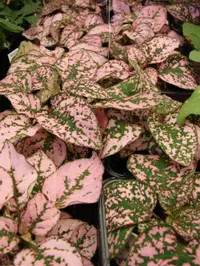
Hypoestes phyllostachya Watering

This guide gives a simple overview of watering Polka Dot Plant before moving into more detailed care. Native to warm, humid forest understories, it naturally experiences steady moisture around the roots.

Hypoestes phyllostachya prefers lightly and consistently moist soil rather than drying out fully between sessions. Indoor plants benefit from stable moisture, while outdoor or patio containers usually need more frequent attention to match changing conditions.

Water when the top 1–2 inches (3–5 cm) of soil feel dry, which typically means about every 4–7 days indoors in warm, bright conditions. In lower light or cooler rooms, the interval usually stretches longer; in small pots or outdoor summer heat, it becomes shorter.

Water Polka Dot Plant when the top 1–2 inches (3–5 cm) of soil feel dry and slightly lighter.

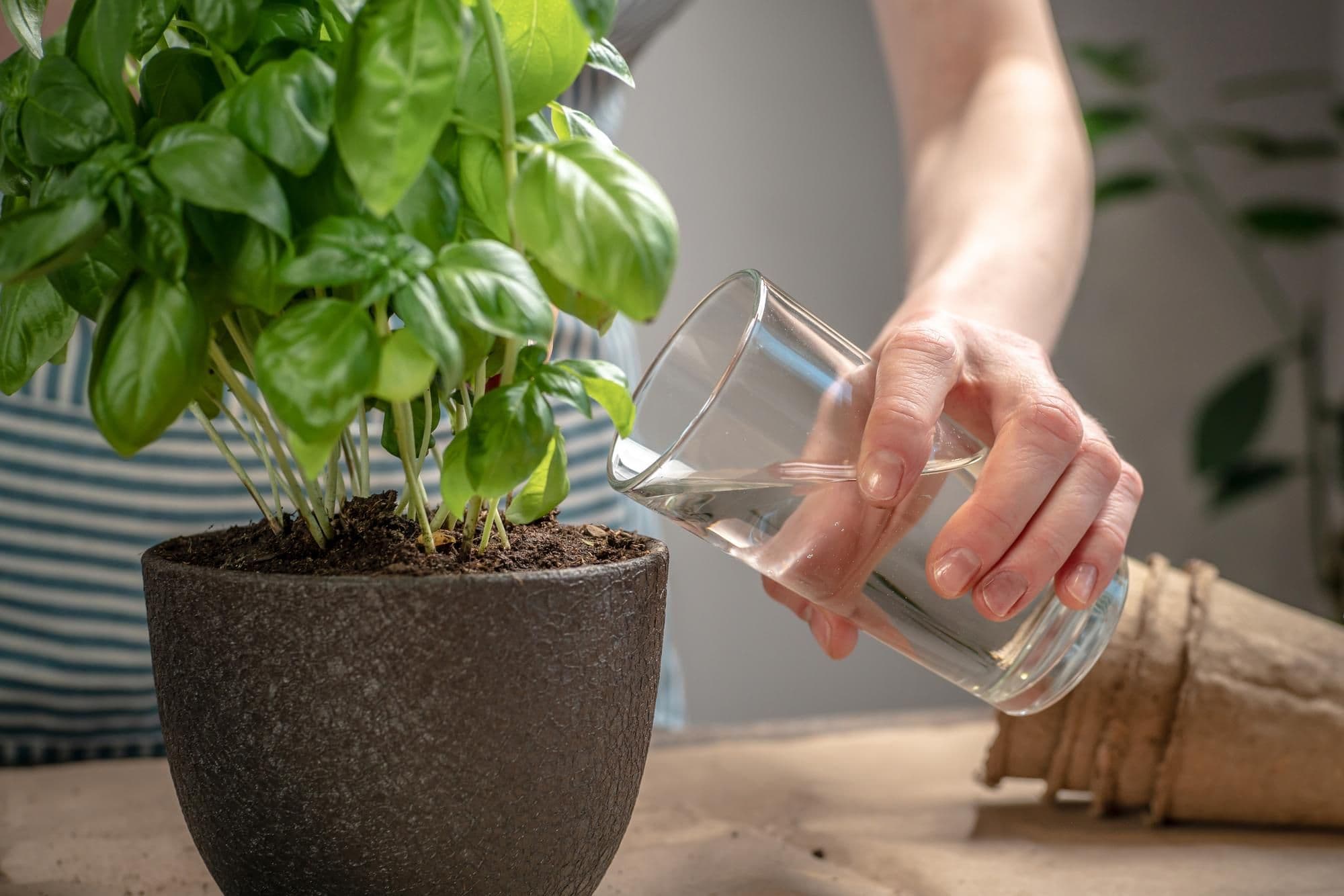
  • Pour room-temperature water slowly over the soil surface until it reaches the entire root zone without flooding one spot.
  • Continue adding water until it begins to drain from the bottom holes, ensuring the full potting mix is evenly moistened.
  • Empty saucers or cachepots after a few minutes so the container does not sit in standing water.
  • Keep water directed at the soil, avoiding leaves and stems to reduce excess moisture on the foliage surface.

Incorrect moisture balance can stress Hypoestes phyllostachya and lead to several avoidable problems.

Crispy Leaf Edges:

Brown, crackling margins usually indicate underwatering or low humidity, especially in warm, bright rooms.

Drooping, Limp Foliage:

Soft, sagging leaves typically result from either dry soil or roots suffocating in excess water.

Yellowing Lower Leaves:

Older leaves turning pale and dropping often signal consistently soggy soil and early root decline.

Faded Leaf Color:

Patterns lose intensity when watering is inconsistent, stressing foliage and disrupting steady nutrient movement.

Mushy, Dark Roots:

Blackened, slimy roots in a sour-smelling pot indicate chronic overwatering and poorly draining substrate.

Aim for evenly moist, never saturated soil, allowing the top layer to partially dry between waterings.

Unsuitable watering habits weaken Hypoestes phyllostachya by stressing its shallow roots and disrupting the balance between moisture, air, and nutrients.

  • Rigid watering schedule: Watering by calendar instead of checking soil moisture can drown or dehydrate roots; test the top layer and adjust frequency.
  • Poor or dense potting mix: Heavy, compact soil holds water too long; use a light peat-free indoor mix with added perlite for faster drainage.
  • Water left in saucer: Letting runoff sit around the pot keeps roots waterlogged; drain the saucer a few minutes after each watering.

Effective watering relies on responding to soil moisture, pot drainage, and mix quality, not fixed routines or standing water.


  • Spring: Growth typically picks up; water when the top 1 inch of soil is dry, and resume light feeding to support new foliage.
  • Summer: In warm, bright conditions, check soil more often and water slightly sooner, but avoid keeping it constantly soggy to prevent root issues.
  • Fall: As growth slows, extend the time between waterings, letting the top layer dry a bit more before adding moisture.
  • Winter: With shorter days and cooler indoor temperatures, reduce watering frequency and volume while still preventing the root ball from fully drying out.

Your Polka Dot Plant Care Companion

Use Botan for a clear watering guide and simple care steps for Hypoestes phyllostachya, plus gentle photo-based issue checks that highlight early signs of stress before they spread.

Botan plant care app — identify plants on mobile

FAQ

Filtered water can be helpful if tap water is hard or heavily chlorinated, since mineral and chemical buildup may stress roots over time. In many homes, though, ordinary tap water that rests overnight works fine.

Everything About Polka Dot Plant

More Plant Watering Guides

Is Your Watering Routine Hurting Your Polka Dot Plant?

Botan reviews your watering habits so you can adjust moisture more confidently.

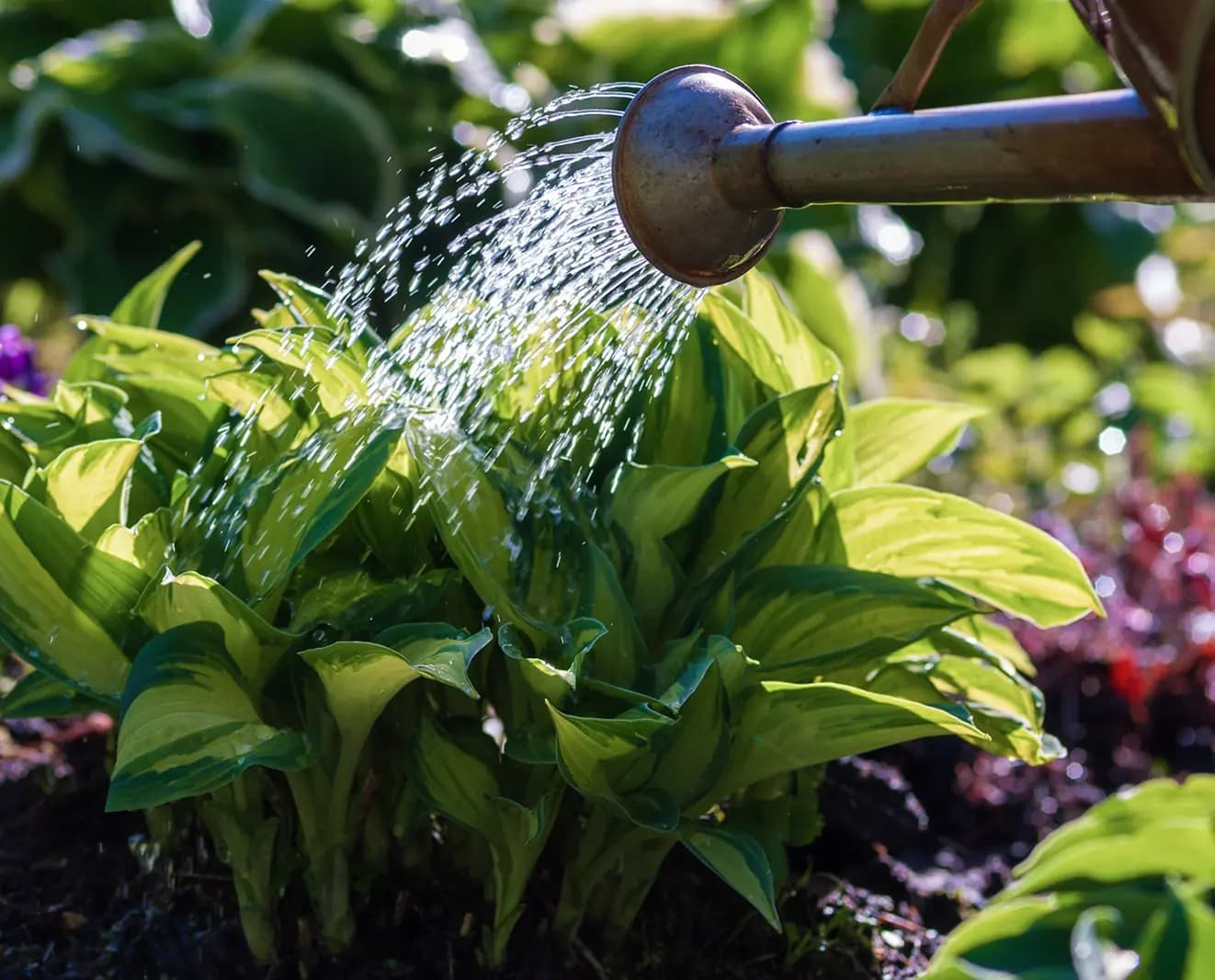
Watering a plant with a copper watering can
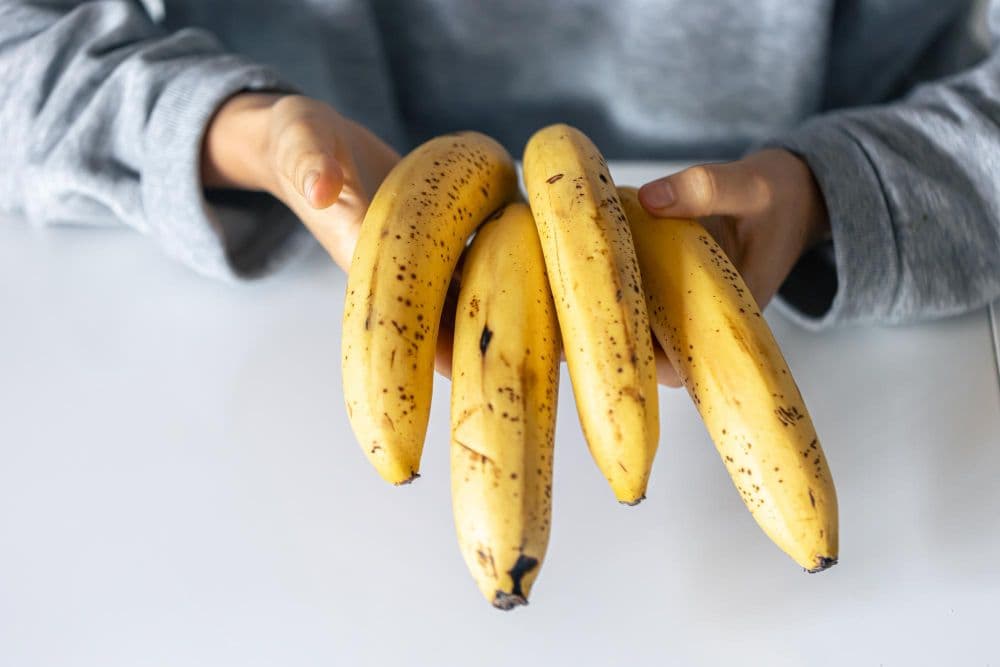
Banana Peel Water for Plants: 5 Things to Know Before Trying It

5 min read · 9 Jul 2026

Banana Peel Water for Plants: 5 Things to Know Before Trying It

Banana water can provide potassium and some nutrients that may support plant growth, but it is not a universal fix. Use it carefully and only when the plant actually shows signs of nutrient deficiency rather than as a routine treatment.

Plant Care
Banana Peel Water for Plants: 5 Things to Know Before Trying It
How Often to Water Fruit Trees

7 min read · 11 Aug 2026

How Often to Water Fruit Trees

Irrigation needs change as roots establish and weather shifts. This guide gives practical starting intervals, explains how soil and tree type change them, and shows how to recognize both excess moisture and drought stress.

Plant Care
How Often to Water Fruit Trees
Best Water for Plants – How to Choose the Right Type

7 min read · 13 Aug 2026

Best Water for Plants – How to Choose the Right Type

Rainwater, filtered, distilled, and tap water affect plants differently. Learn which types support healthy growth and which cause slow damage. Match each to your plants and discover how to easily improve tap water quality.

Plant Care
Best Water for Plants – How to Choose the Right Type