



Lemon Button Fern (Nephrolepis cordifolia 'Duffii') Watering Guide

This page explains when, how often, and how much to water Nephrolepis cordifolia 'Duffii' for basic indoor care.

Water Requirements

Keep Soil Moist

Nephrolepis cordifolia 'Duffii' Watering

This compact fern comes from naturally humid, seasonally moist habitats, so it prefers gently and consistently damp soil indoors. Nephrolepis cordifolia 'Duffii' grown in pots usually needs more attentive watering than plants in shaded, sheltered outdoor beds.

Think of watering Lemon Button Fern as maintaining light, even moisture rather than letting it swing between very dry and soggy. The next sections explain how to water Lemon Button Fern in different home conditions so moisture stays within that moderate range.

Water when the top 1–2 inches (3–5 cm) of soil feel evenly moist but not soggy and just begin to lose surface sheen, rather than waiting for it to dry out. Indoors, this typically means watering every few days to weekly, with brighter light or warmer temperatures shortening the interval.

Water Lemon Button Fern when the top 0.5 inch (1 cm) feels slightly dry, keeping moisture steady but never waterlogged.

  • Pour room-temperature water slowly over the soil surface, circling the pot so moisture spreads evenly through the root zone.
  • Continue adding water until it begins to drain from the bottom, ensuring the entire root ball is evenly moistened.
  • Let the pot drain fully for several minutes, then empty any saucer or cachepot so the container does not sit in water.
  • Keep the central crown and fronds mostly dry, directing the stream at the soil rather than over the foliage.

Incorrect moisture levels can stress Nephrolepis cordifolia 'Duffii' and trigger specific, preventable health problems.

Fronds Yellowing And Limp:

Older fronds yellow and droop when soil stays wet, signaling suffocated roots and emerging rot issues.

Crisp Brown Leaf Tips:

Tiny leaflets dry and brown at the edges when soil repeatedly dries out between waterings.

Blackened Root Zone:

Roots appear black and mushy when drainage is poor and excess water remains trapped around them.

Wilting Despite Moist Soil:

Fronds collapse even in damp mix when damaged roots cannot absorb water efficiently anymore.

Moldy Soil Surface:

White or gray fuzz on potting mix indicates consistently wet conditions and limited air movement.

Keep the root zone evenly moist in airy, fast-draining soil without swinging to extremes.

Unsuitable watering habits can stress Lemon Button Fern, Nephrolepis cordifolia 'Duffii', weakening fronds and making the plant less resilient indoors.

  • Watering By Calendar: Relying on a fixed schedule ignores seasonal changes; instead, water when the top half‑inch of soil feels slightly dry to the touch.
  • Using Heavy Potting Mix: Dense, peat‑only or garden soil stays soggy; choose a fine, airy mix with added perlite for quicker drainage.
  • Letting Runoff Sit In Saucer: Leaving drained water under the pot keeps roots constantly wet; empty the saucer within a few minutes after watering.

Aim for evenly moist, never soggy soil, adjusting timing to light, temperature, and potting mix rather than fixed rules.

  • Spring: New fronds emerge quickly, so keep the root zone evenly moist and never let the potting mix dry more than the top surface.
  • Summer: Heat and brighter light increase evaporation; check moisture often and water when the top 0.5 inch feels barely damp rather than fully dry.
  • Fall: Growth eases as light drops; extend the time between waterings but prevent the mix from becoming dry or soggy for long periods.
  • Winter: Cooler, darker conditions slow growth; reduce watering volume slightly and ensure excess water drains well to avoid rhizome and root rot.

Your Lemon Button Fern Care Companion

Use Botan for simple watering guidance and step‑by‑step care routines for your Lemon Button Fern. The app can also flag potential issues from photos so problems are addressed early.

Botan plant care app — identify plants on mobile

FAQ

Check the top 1 inch (2–3 cm) of soil; water when it feels slightly dry but not dusty. Fronds may feel less firm or look slightly dull when this species is ready for a drink.

More Plant Watering Guides

Is Your Watering Routine Hurting Your Lemon Button Fern?

Botan reviews your watering routine so adjustments are easier to make confidently.

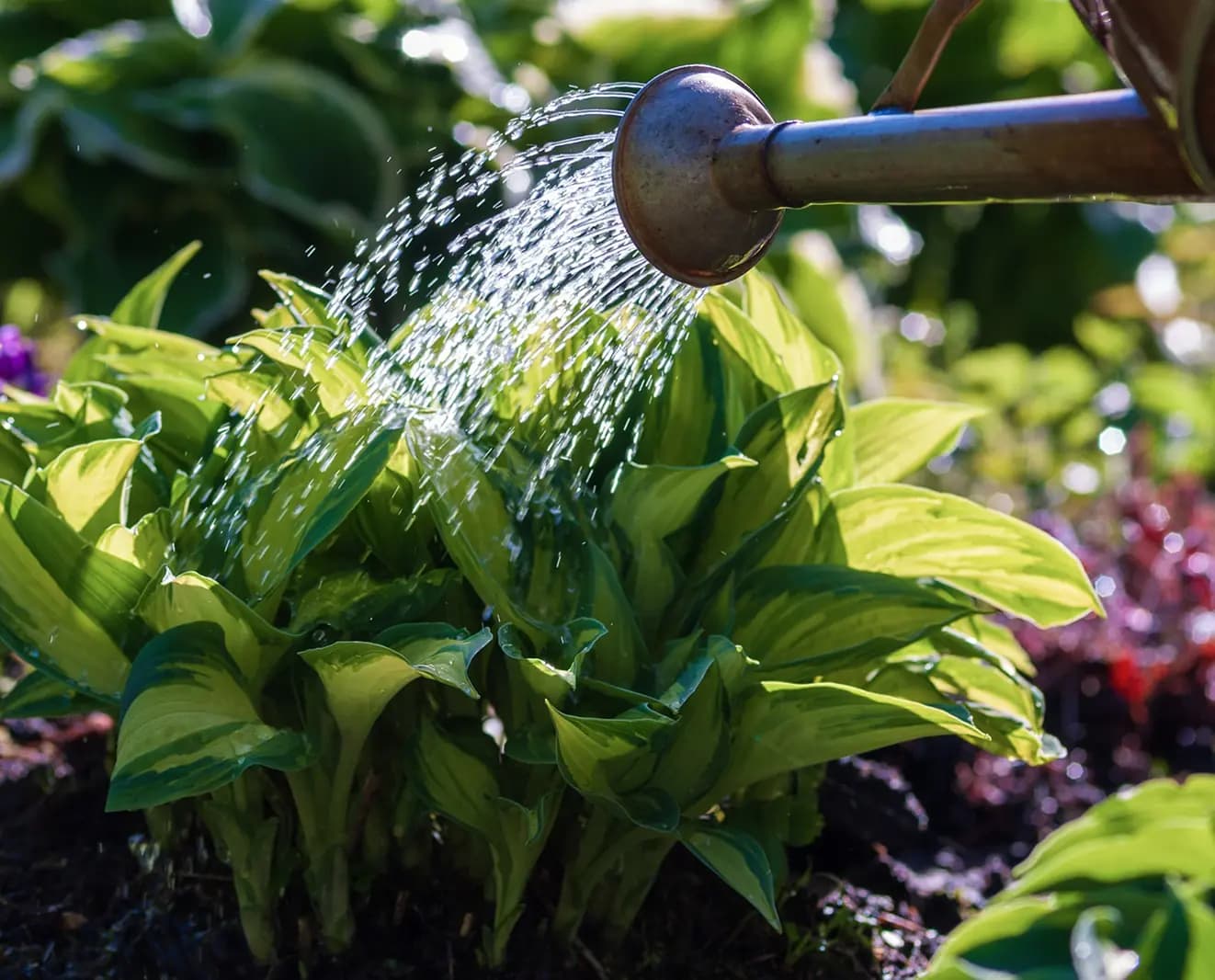
Watering a plant with a copper watering can
15 Best Scary Halloween Plants and Fungi for a Spooky Garden

8 min read · 9 Oct 2026

15 Best Scary Halloween Plants and Fungi for a Spooky Garden

Want a garden that looks eerie in October? Here are 15 Halloween plants and fungi, from carnivorous traps to bleeding mushrooms. For each species, we cover its appearance, care requirements, and potential uses in your landscape.

Plant Recommendations

15 Best Scary Halloween Plants and Fungi for a Spooky Garden
How to Increase Humidity for Plants – 8 Simple Ways That Work

8 min read · 14 Aug 2026

How to Increase Humidity for Plants – 8 Simple Ways That Work

Dry indoor air stresses a lot of houseplants. You usually notice it first in the browning leaf tips. This guide describes 8 simple ways to raise the moisture around your plants, from humidifiers to pebble trays.

Plant Care
How to Increase Humidity for Plants – 8 Simple Ways That Work
When to Harvest Tomatillos: How to Tell When They're Ripe

4 min read · 20 Oct 2026

When to Harvest Tomatillos: How to Tell When They're Ripe

Tomatillos grow inside papery husks, making it hard to judge ripeness at a glance. This guide explains how to know when tomatillos are ripe and offers practical advice on harvesting and storage.

Plant Recommendations
When to Harvest Tomatillos: How to Tell When They're Ripe