
Prayer Plant (Maranta leuconeura 'Erythroneura') Watering Guide

This page explains when, how often, and how much to water Maranta leuconeura 'Erythroneura' for steady indoor growth.

Water Requirements

Keep Soil Moist

Maranta leuconeura 'Erythroneura' Watering

This colorful foliage plant comes from humid forest conditions, so indoor care focuses on steady moisture and gentle consistency. Maranta leuconeura 'Erythroneura' prefers lightly moist soil that never becomes parched or waterlogged. Understanding this balance is the foundation of watering Prayer Plant successfully.

Most plants are grown indoors, where stable room conditions make it easier to keep moisture even and predictable. Outdoor containers usually dry faster, so they demand closer attention to how the potting mix feels between waterings.

Water when the top 1–2 inches (3–5 cm) of soil feel evenly dry, rather than on a fixed schedule. Maranta leuconeura 'Erythroneura' typically needs water about every 5–10 days in average indoor conditions. Warmer temperatures or brighter light shorten this interval, while cooler rooms extend it.

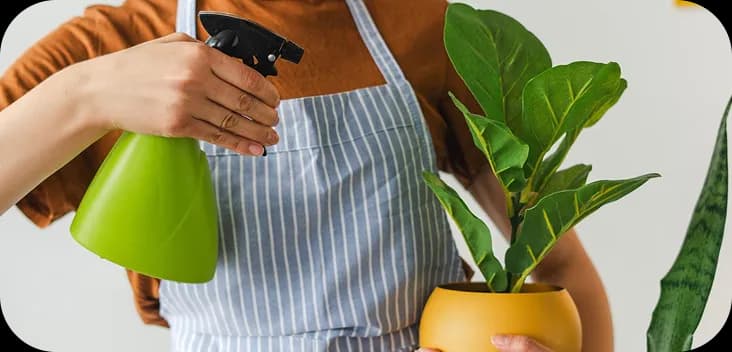
Water when the top 1–2 inches (3–5 cm) of soil feel dry; hydrate evenly while keeping Prayer Plant consistently moist, not soggy.

  • Pour room-temperature, low-mineral water slowly over the soil surface, circling the pot to distribute moisture evenly.
  • Continue adding water until it flows from the drainage holes, fully moistening the root zone without flooding the pot.
  • Let the pot drain thoroughly, then empty saucers or cachepots so the base of the container does not sit in water.
  • Keep water directed at the soil only, avoiding leaves and stems to reduce lingering surface moisture on the foliage.

Incorrect moisture levels can trigger several health issues for Maranta leuconeura 'Erythroneura'.

Crisp Brown Leaf Edges:

Dry, browning margins usually indicate underwatering or low humidity, especially near heating or AC vents.

Yellowing Lower Leaves:

Older leaves turning soft and yellow often signal chronic overwatering and poorly draining potting mix.

Drooping, Curling Foliage:

Limp or tightly rolled leaves suggest moisture stress, from either very dry soil or waterlogged roots.

Mushy, Dark Roots:

Blackened, soft roots and sour-smelling soil typically result from prolonged saturation and poor aeration.

White Crust On Soil Surface:

Visible mineral deposits often stem from hard tap water or infrequent thorough flushing of the pot.

Keep the root zone evenly moist, never saturated, using well-draining soil and consistent watering habits.

Unsuitable watering habits can quickly stress Maranta leuconeura 'Erythroneura', weakening growth and foliage color even when light and temperature look fine.

  • Watering by calendar: Following a fixed schedule ignores changing light, season, and pot size; instead, check the top soil layer and water only when slightly dry.
  • Poorly draining soil: Keeping the plant in heavy, compact mix traps moisture; use a peat or coco base blended with perlite for quicker drainage.
  • Letting pots sit in runoff: Leaving water in the saucer keeps roots saturated; always empty collected water a few minutes after each watering.

Safer watering relies on responsive checks of soil moisture and drainage, keeping the mix lightly moist but never waterlogged for long.

  • Spring: Growth usually picks up; keep the mix lightly moist and shorten dry periods, watching for faster use of water in brighter light.
  • Summer: In warm, bright rooms, water more often but allow the top layer to lose its wet sheen to prevent soggy roots.
  • Fall: As growth slows, extend time between waterings slightly while still preventing the root ball from drying hard or shrinking from the pot.
  • Winter: With cooler temperatures and lower light, reduce frequency so the soil stays just barely moist, especially if air stays humid.

Get Your Prayer Plant Watering Schedule

Use Botan for a clear watering guide and care reminders for Maranta leuconeura 'Erythroneura', plus gentle photo-based checks that help spot early leaf or moisture issues.

Botan plant care app — identify plants on mobile

FAQ

Many municipal supplies work, but hard or chlorinated tap water can cause brown tips and edges. If that happens, switch to filtered, distilled, or rainwater, or let tap water sit 24 hours before use.

More Plant Watering Guides

Is Your Watering Routine Hurting Your Prayer Plant?

Use Botan to review and adjust watering amounts with simple, guided checks.

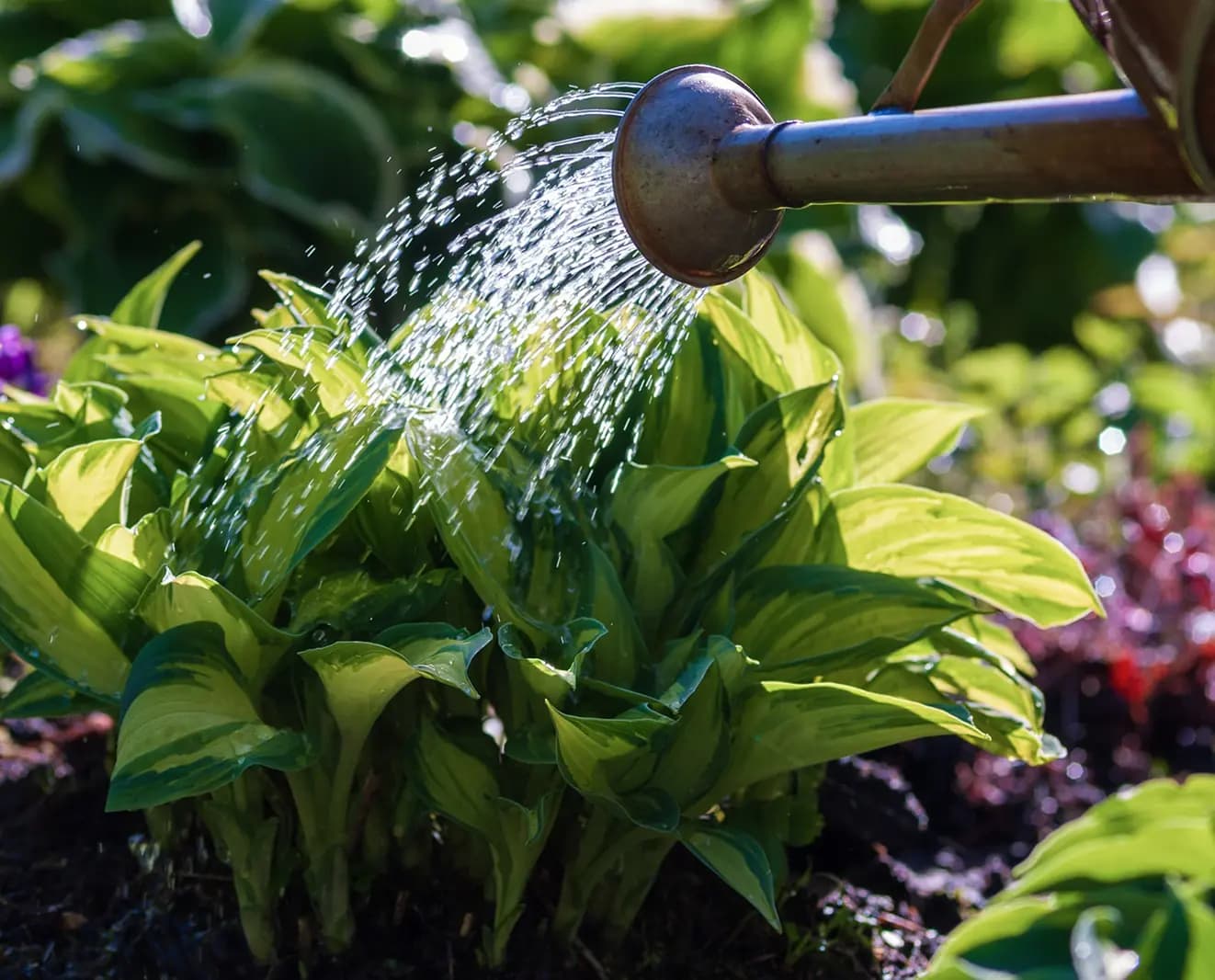
Watering a plant with a copper watering can
Best Time to Water Grass in Summer – Lawn Watering Tips

5 min read · 21 Jul 2026

Best Time to Water Grass in Summer – Lawn Watering Tips

Summer watering is easy to get wrong. This guide explains when to turn on your sprinkler, how much liquid your grass needs each week, and how to tell if you're overwatering or underwatering.

Plant Care
Best Time to Water Grass in Summer – Lawn Watering Tips
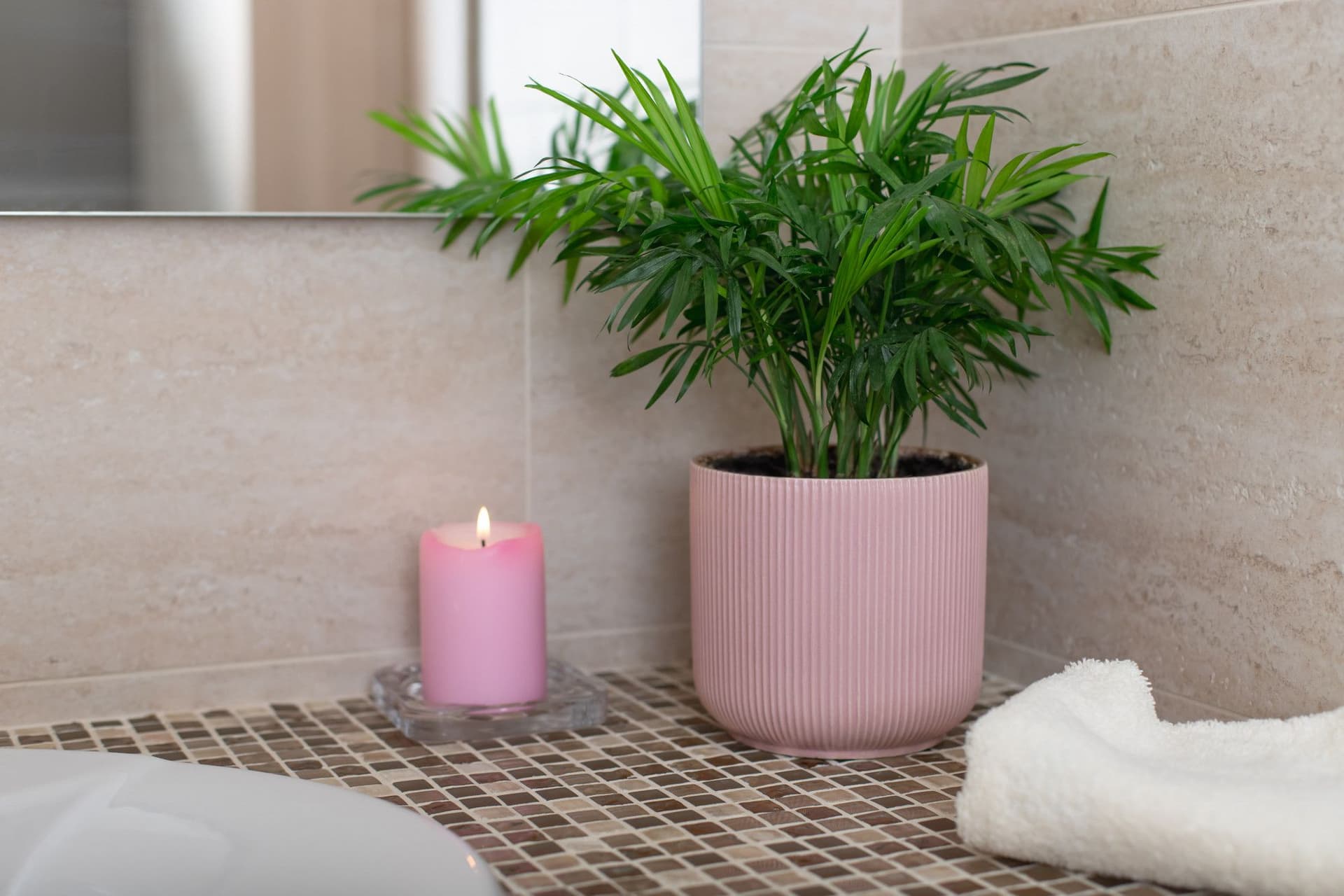
12 Best Plants for Bathroom That Thrive in Humid Conditions

9 min read · 29 Sept 2026

12 Best Plants for Bathroom That Thrive in Humid Conditions

Discover the 12 best plants for bathroom spaces. Each pick comes with its own advantages, plus light, humidity, watering, and placement tips. Take a look and match the plant to your specific bathroom.

Plant Recommendations
12 Best Plants for Bathroom That Thrive in Humid Conditions
How to Group Plants in Landscaping: A Practical Layout Guide

8 min read · 31 Aug 2026

How to Group Plants in Landscaping: A Practical Layout Guide

Good plant grouping can mean the difference between a well-planned garden and one that looks sloppy. This guide explores layers, spacing, cluster shapes, and the plants that thrive when you group them.

Plant Care
How to Group Plants in Landscaping: A Practical Layout Guide