


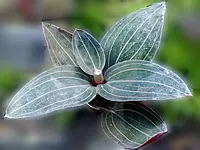
Best Soil for Polka Dot Plant (Hypoestes phyllostachya)

Hypoestes phyllostachya grows best in a loose, organic-rich mix that stays lightly moist while supporting healthy root development.

Soil Texture

Loamy, Peaty, Organic-rich

Soil pH

Acidic (5.5–6.5), Slightly acidic (6.5–7.0)

Soil Drainage

Moist but well-drained

Hypoestes phyllostachya Soil Guide

Native to Madagascar, Hypoestes phyllostachya grows in warm, humid conditions where soil stays lightly moist but not stagnant. That background explains its preference for a loose, organic-rich substrate that holds some moisture while still allowing air to move around the roots.

The best soil for Polka Dot Plant is soft, loamy, and slightly acidic to neutral. Its fine roots benefit from steady moisture and good aeration, so the soil should drain well while still retaining enough water to prevent it from drying too quickly.

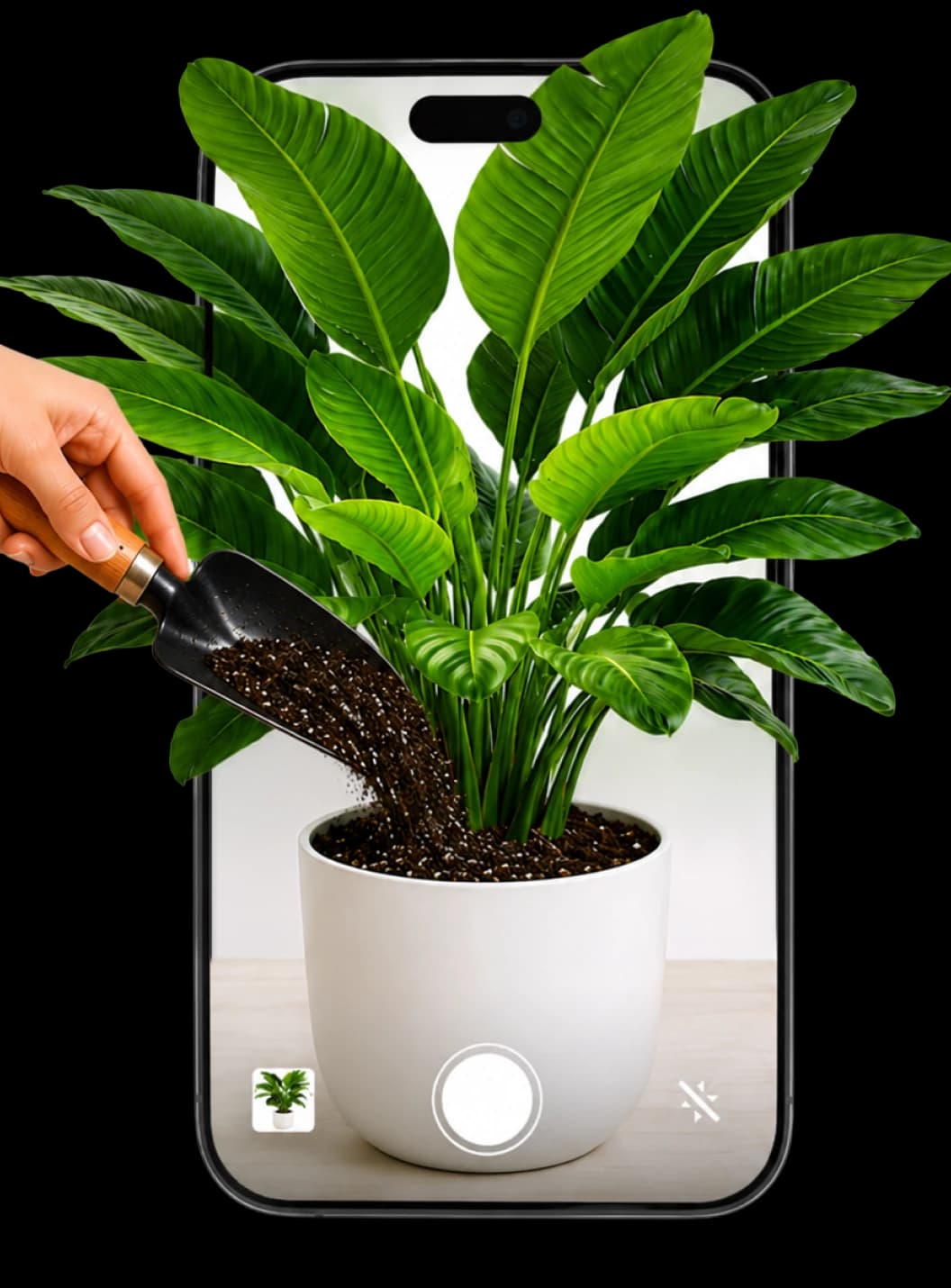
A simple homemade mix can give Hypoestes phyllostachya the balance of moisture retention and airflow it needs in a pot.

100% total mix = 20 scoops
10%
compost or fine bark fines2 scoops
20%
perlite or pumice4 scoops
30%
high-quality potting soil6 scoops
40%
peat moss or coco coir8 scoops

The finished blend should feel light, springy, and crumbly, with even moisture retention and quick excess runoff.

A good target for Polka Dot Plant is slightly acidic to near neutral soil, around 5.5–7.0 pH. That range supports steady nutrient availability without pushing the root zone too far acidic or too alkaline.

This species is fairly comfortable within that span, but extremes can make important nutrients less available even when they are present in the mix.

This plant can react quickly when the root zone stays out of balance for too long. Polka Dot Plant often responds best when soil issues are corrected early.

Compacted mix:

Compacted mix: if the surface hardens and growth seems stalled, gently loosen the top layer and replace dense soil with a more open mix.

Soggy root zone:

Soggy root zone: if the container stays heavy for days, improve airflow around the roots by checking drainage and reducing water-holding material at the next soil change.

Hydrophobic soil:

Hydrophobic soil: if dry soil shrinks from the pot edges, moisten it gradually so the mix can rehydrate evenly instead of shedding water.

Organic buildup:

Organic buildup: if the surface develops a stale crust or debris layer, clear it away and refresh the top inch to improve gas exchange.

Soil Advice in Seconds

Botan helps match this plant to a suitable soil setup based on its growth habit, pot type, and visible condition.

FAQ

Yes. Drainage holes help excess water leave the container, which keeps the root zone from staying saturated too long and makes the potting mix easier to manage over time.

Everything About Polka Dot Plant

More Plant Soil Guides

Could It Be the Soil?

Soil may be one factor behind visible decline. Botan can help assess photos and point to likely soil-related issues to check first.

Botan app helping with soil and plant care
Banana Peel Water for Plants: 5 Things to Know Before Trying It

5 min read · 9 Jul 2026

Banana Peel Water for Plants: 5 Things to Know Before Trying It

Banana water can provide potassium and some nutrients that may support plant growth, but it is not a universal fix. Use it carefully and only when the plant actually shows signs of nutrient deficiency rather than as a routine treatment.

Plant Care
Banana Peel Water for Plants: 5 Things to Know Before Trying It
How Often to Water Fruit Trees

7 min read · 11 Aug 2026

How Often to Water Fruit Trees

Irrigation needs change as roots establish and weather shifts. This guide gives practical starting intervals, explains how soil and tree type change them, and shows how to recognize both excess moisture and drought stress.

Plant Care
How Often to Water Fruit Trees
Best Water for Plants – How to Choose the Right Type

7 min read · 13 Aug 2026

Best Water for Plants – How to Choose the Right Type

Rainwater, filtered, distilled, and tap water affect plants differently. Learn which types support healthy growth and which cause slow damage. Match each to your plants and discover how to easily improve tap water quality.

Plant Care
Best Water for Plants – How to Choose the Right Type