Best Soil for Norfolk Island Pine (Araucaria heterophylla)

A loose, slightly acidic mix helps Araucaria heterophylla keep roots evenly oxygenated while holding enough moisture for steady growth.

Soil Texture

Sandy, Loamy, Organic-rich

Soil pH

Acidic (5.5–6.5), Slightly acidic (6.5–7.0)

Soil Drainage

Moist but well-drained

Araucaria heterophylla Soil Guide

Native to Norfolk Island in the South Pacific, Araucaria heterophylla grows in mild coastal conditions where the ground stays lightly moist but drains freely. That background explains why this species prefers soil that holds some moisture without becoming dense or waterlogged.

A sandy-loamy, organic-rich substrate gives the fine root system both air and steady access to moisture. The best soil for Norfolk Island Pine feels open and breathable, with enough organic matter to buffer drying but not so much that it stays soggy. Slight acidity suits its natural soil preference.


A custom blend gives Araucaria heterophylla a steadier balance of air and moisture than heavy all-purpose mixes alone.

100% total mix = 20 scoops
15%
coco coir or peat moss3 scoops
20%
perlite or pumice4 scoops
25%
pine bark fines or orchid bark5 scoops
40%
high-quality potting soil8 scoops

The finished mix should feel springy and crumbly, with water moving through readily while some moisture stays distributed through the root area.

A good target is 5.5–6.8 pH. This species prefers slightly acidic soil, where key nutrients such as iron and manganese stay more available without pushing the mix too far from balance.

Norfolk Island Pine can handle a mildly acidic to near-neutral range, but strongly alkaline conditions may gradually limit nutrient uptake. Keeping pH in that moderate window supports steadier root function and more consistent growth.

Root stress in Araucaria heterophylla often starts below the surface, so early soil checks are useful when growth seems off.

Compacted mix:

If the surface hardens and water sits or runs down the pot edge, gently loosen only the top layer and plan to replace the medium with a more open one.

Staying soggy too long:

When the root zone remains wet for many days, air space is limited, so check drainage holes and reduce any saucer water left after draining.

Hydrophobic soil:

If the mix has become so dry that water rushes through without soaking in, re-wet it gradually in stages until the root ball absorbs moisture again.

Salt buildup:

A crust on the soil surface can point to accumulated minerals, so flush the pot thoroughly once and review water quality and residue over time.

Find the Right Soil

Botan helps match this plant to a more suitable substrate profile, so soil choices are based on real care needs instead of guesswork.

FAQ

Yes. Drainage holes help excess water leave the container so the root zone keeps enough air. Without them, the mix stays wet longer and soil conditions become less predictable.

Everything About Norfolk Island Pine

More Plant Soil Guides

Wrong Soil? Check It.

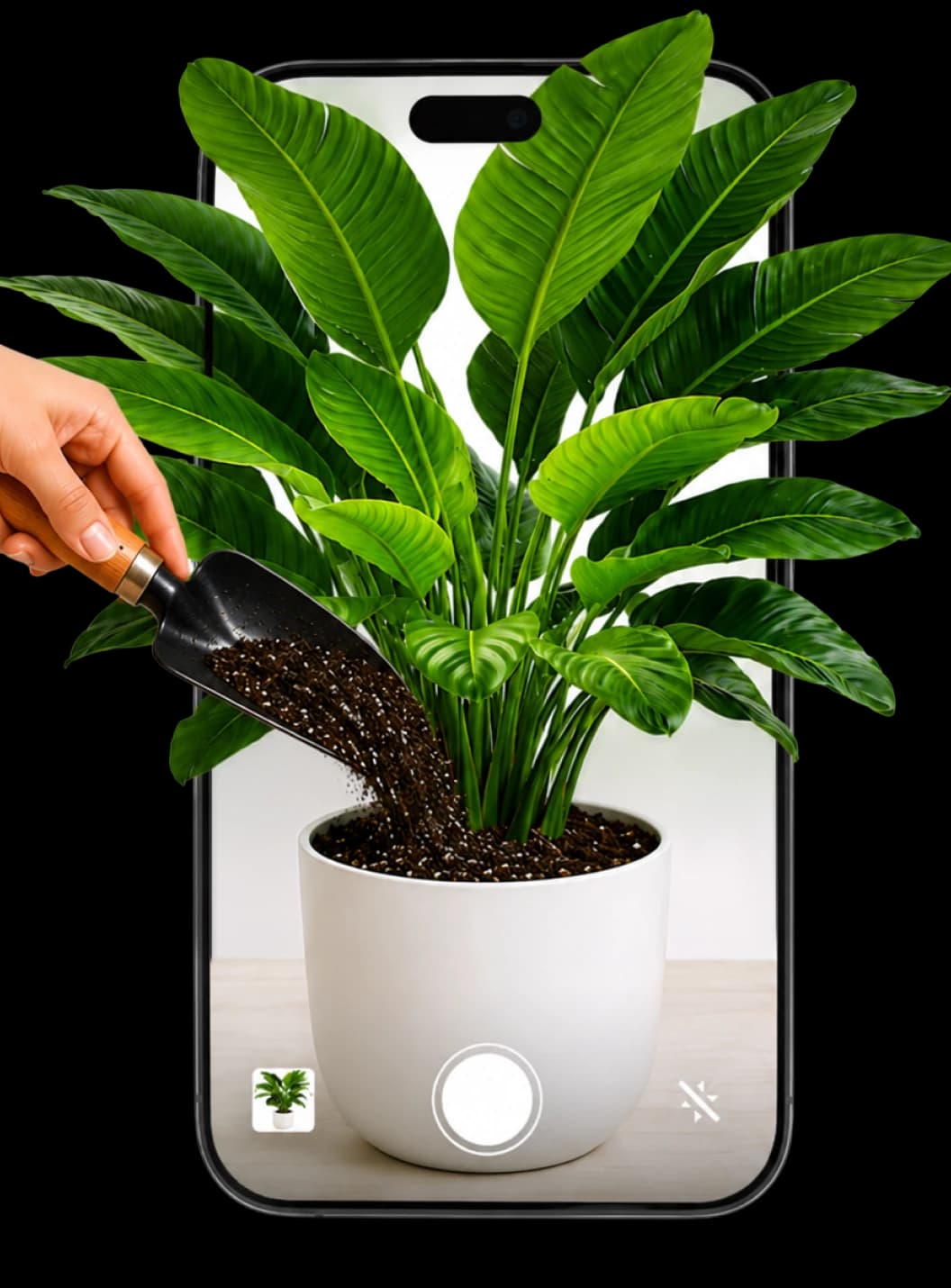
If leaves or growth look off, soil conditions may be one factor worth checking. Botan’s photo assessment can help point to likely contributors.

Botan app helping with soil and plant care
Best Time to Water Grass in Summer – Lawn Watering Tips

5 min read · 21 Jul 2026

Best Time to Water Grass in Summer – Lawn Watering Tips

Summer watering is easy to get wrong. This guide explains when to turn on your sprinkler, how much liquid your grass needs each week, and how to tell if you're overwatering or underwatering.

Plant Care
Best Time to Water Grass in Summer – Lawn Watering Tips
Best Water for Plants – How to Choose the Right Type

7 min read · 13 Aug 2026

Best Water for Plants – How to Choose the Right Type

Rainwater, filtered, distilled, and tap water affect plants differently. Learn which types support healthy growth and which cause slow damage. Match each to your plants and discover how to easily improve tap water quality.

Plant Care
Best Water for Plants – How to Choose the Right Type
How to Mist Plants – Proper Technique and Common Mistakes

7 min read · 30 Jul 2026

How to Mist Plants – Proper Technique and Common Mistakes

Find out when misting works well and when to avoid it. Here, you’ll find detailed information about compatible and incompatible species, tips on how often to mist plants and do it correctly, and some great alternatives for raising humidity.

Beginner Guides
How to Mist Plants – Proper Technique and Common Mistakes