

Asparagus fern (Asparagus setaceus) Watering Guide

This page explains when, how often, and how much to water Asparagus setaceus in straightforward, practical terms.

Water Requirements

Keep Soil Moist

Asparagus setaceus Watering

Feathery “asparagus fern” foliage stays healthiest when soil moisture stays gentle and steady, not soaked or bone-dry. Native to seasonally moist South African habitats, Asparagus setaceus is adapted to brief dry spells between light rains.

Indoors, watering Asparagus fern means letting the surface start to dry slightly, then restoring even moisture without extremes. Outdoors, established plants usually handle a bit more drying between waterings than container-grown ones.

Let the top 1–2 inches (3–5 cm) of soil dry before watering again, as this species prefers slightly moist, not soggy, conditions. Indoors, this typically means watering about once a week in bright light, with intervals lengthening in cooler rooms or during low-light winter months.

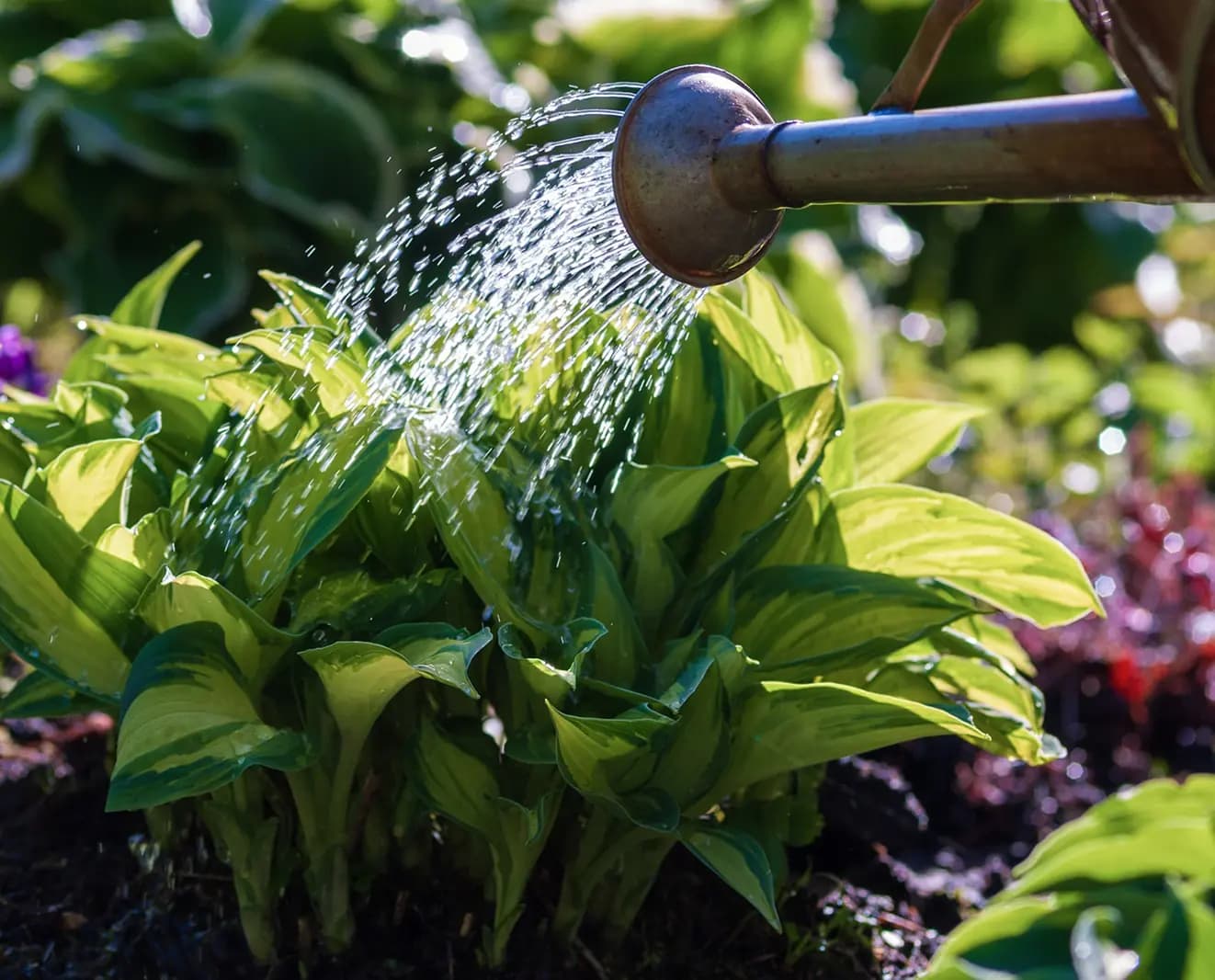
Water Asparagus fern when the top 1–2 inches (3–5 cm) of potting mix feel dry, using slow, even watering.

  • Pour room-temperature water over the soil surface around the plant, avoiding direct contact with stems and foliage where possible.
  • Add water gradually until it flows from the drainage holes, ensuring the entire root zone is evenly moistened.
  • Allow the pot to drain fully in a sink or tray, then discard any collected water after several minutes.
  • For bottom watering, place the pot in a shallow tray of water and remove it once the upper soil feels evenly damp.

Incorrect moisture levels can quickly stress Asparagus setaceus and lead to several avoidable problems.

Yellowing Older Fronds:

Mature stems yellow and shed when soil stays waterlogged, often from heavy mixes or oversized pots.

Crisp Brown Frond Tips:

Fine leaf-like cladodes dry, brown, and drop when soil moisture swings between parched and saturated.

Soft Base Stems:

Lower stems feel mushy and collapse where roots sit in constantly soggy, poorly drained containers.

Stunted Sparse Growth:

New fronds emerge small and thin when roots alternate between drought stress and prolonged saturation.

Aim for lightly moist, well-drained soil with consistent watering that avoids both drought and saturation.

Unsuitable watering habits stress Asparagus setaceus by disturbing its fine roots, leading to weak growth and poor foliage quality over time.

  • Rigid calendar watering: Watering on a fixed schedule ignores seasonal changes; instead, check that the top soil is slightly dry before watering again.
  • Heavy, compact soil: Using dense potting mix holds too much moisture; choose a light, barky mix that drains well yet still retains some moisture.
  • Standing water in saucer: Allowing runoff to sit in the saucer keeps roots saturated; empty the tray shortly after watering so excess moisture escapes.

Aim for consistently moist but not waterlogged soil, using good drainage and simple checks of dryness instead of strict routines.

  • Spring: Growth usually increases, so check soil more often and water when the top layer is dry, avoiding long soggy periods.
  • Summer: In warm, bright conditions, soil may dry faster; water a bit more frequently, but reduce if the plant is in cooler air conditioning.
  • Fall: Growth commonly slows, so extend the time between waterings and let the potting mix dry slightly deeper before adding water.
  • Winter: With shorter days and cooler rooms, water less often, focusing on preventing complete dry-out rather than keeping the soil evenly moist.

Your Assistant for Proper Watering

Use Botan for a tailored watering guide and simple care procedures for Asparagus fern, plus gentle photo-based issue checks to spot early signs of stress or common problems.

Botan plant care app — identify plants on mobile

Interesting Watering Facts

Moisture-Loving Yet Tolerant

This South African species naturally grows in relatively moist, shaded habitats but tolerates short dry spells by shedding some of its feathery cladodes (leaf-like structures), which reduces water loss without killing the plant.


Shallow, Fibrous Root System

Its fine, fibrous roots sit near the soil surface, so the plant responds best to light, frequent moisture rather than deep, infrequent soaking, which aligns with the gentle, regular rainfall patterns of parts of its native range.

Humidity-Responsive Foliage

In cultivation, its delicate cladodes dry and yellow faster in low humidity than many common houseplants, reflecting its origin in more humid microhabitats such as forest margins and sheltered rocky slopes where ambient moisture is higher.

FAQ

Water thoroughly right after transplanting to settle soil around the roots, then let the top 1–2 inches (3–5 cm) dry slightly before watering again. Avoid keeping it constantly soggy while new roots establish.

More Plant Watering Guides

Is Your Watering Routine Hurting Your Asparagus fern?

Use Botan to review your watering pattern and support healthier moisture habits.

Watering a plant with a copper watering can
Banana Peel Water for Plants: 5 Things to Know Before Trying It

5 min read · 9 Jul 2026

Banana Peel Water for Plants: 5 Things to Know Before Trying It

Banana water can provide potassium and some nutrients that may support plant growth, but it is not a universal fix. Use it carefully and only when the plant actually shows signs of nutrient deficiency rather than as a routine treatment.

Plant Care
Banana Peel Water for Plants: 5 Things to Know Before Trying It
How to Repot a Plant: A Step-by-Step Guide

7 min read · 28 May 2026

How to Repot a Plant: A Step-by-Step Guide

In spring, many plants need repotting—an essential part of care. To avoid stress, consider the plant’s type and size. This article offers a step-by-step guide for repotting indoors or outdoors and shows how to check plant health and get care tips using the Botan app.

Plant Care
How to Repot a Plant: A Step-by-Step Guide
How to Increase Humidity for Plants – 8 Simple Ways That Work

8 min read · 14 Aug 2026

How to Increase Humidity for Plants – 8 Simple Ways That Work

Dry indoor air stresses a lot of houseplants. You usually notice it first in the browning leaf tips. This guide describes 8 simple ways to raise the moisture around your plants, from humidifiers to pebble trays.

Plant Care
How to Increase Humidity for Plants – 8 Simple Ways That Work