Naturally semi-aquatic
In parts of its native range in South Africa, this species grows along streams, in marsh edges, and in seasonally waterlogged ground, tolerating very wet soils that would rot many other ornamentals.

This page explains when, how often, and how much to water Zantedeschia aethiopica in straightforward, practical terms.

Water Requirements
Aquatic
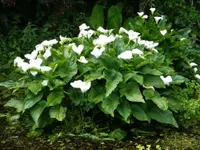
Native to seasonally damp areas of southern Africa, this plant is adapted to moist but not waterlogged ground. Zantedeschia aethiopica grown outdoors often receives more natural rainfall than indoor pots, which depend entirely on controlled watering.
For watering Calla lily, aim for evenly moist soil that never dries out completely or stays saturated. Indoor containers typically need more attentive monitoring, while in-ground plants rely on local climate patterns to balance moisture between sessions.
Let the top 1–2 inches (3–5 cm) of soil dry before watering again, keeping the root zone consistently moist but not saturated. Indoors this typically means watering about once a week in bright, warm conditions. In cooler rooms or lower light, intervals usually stretch slightly longer.
Water Calla lily when the top inch of soil feels slightly dry, keeping moisture steady but not saturated around the roots.
Incorrect moisture levels can trigger several problems for Zantedeschia aethiopica in home conditions.
Older leaves fade to yellow and soften when roots stay in saturated, poorly drained potting mix.
Crisp, brown margins form when soil dries too deeply between waterings or humidity stays low.
Stems and leaves flop over when roots alternate between waterlogged conditions and extended dryness.
Soft, foul-smelling underground stems develop from chronic overwatering and containers without adequate drainage.
Small, weak leaves emerge when compacted soil holds uneven moisture and restricts healthy root development.
Keep roots in evenly moist, well-drained soil, avoiding both deep drying and prolonged saturation.
Unsuitable watering habits can stress Zantedeschia aethiopica, weakening foliage and flowers and shortening bloom life, especially indoors or in containers.
Aim for evenly moist, well-drained soil, adjusting timing to temperature and light instead of fixed routines or constantly wet containers.

Plant Water Guide
Learn how much water your plant needs and keep its routine on track
Use Botan for a clear watering guide and step‑by‑step care routines for Calla lily, plus gentle photo-based checks that help notice leaf spots, wilting, or other early issues.

In parts of its native range in South Africa, this species grows along streams, in marsh edges, and in seasonally waterlogged ground, tolerating very wet soils that would rot many other ornamentals.
Mature plants can withstand short periods of standing water around the roots, a reflection of their adaptation to flood-prone riparian habitats, as long as water eventually drains or recedes.
In its Cape-region habitats, it experiences cool, wet winters and drier summers, so it is adapted to heavy seasonal moisture when temperatures are lower rather than during peak summer heat.
Let the top 1–2 inches (3–5 cm) of soil dry, then resume lighter watering. Remove any mushy roots, trim rotted parts, and repot in fresh, well‑draining mix with a pot that has drainage holes.
Botan reviews your watering routine and suggests adjustments to keep moisture on track.
7 min read · 6 Aug 2026
Summer seeding succeeds when the grass type suits the season, and the soil stays moist. Find out how to prepare the seedbed and choose a safe window for planting.
9 min read · 29 Sept 2026
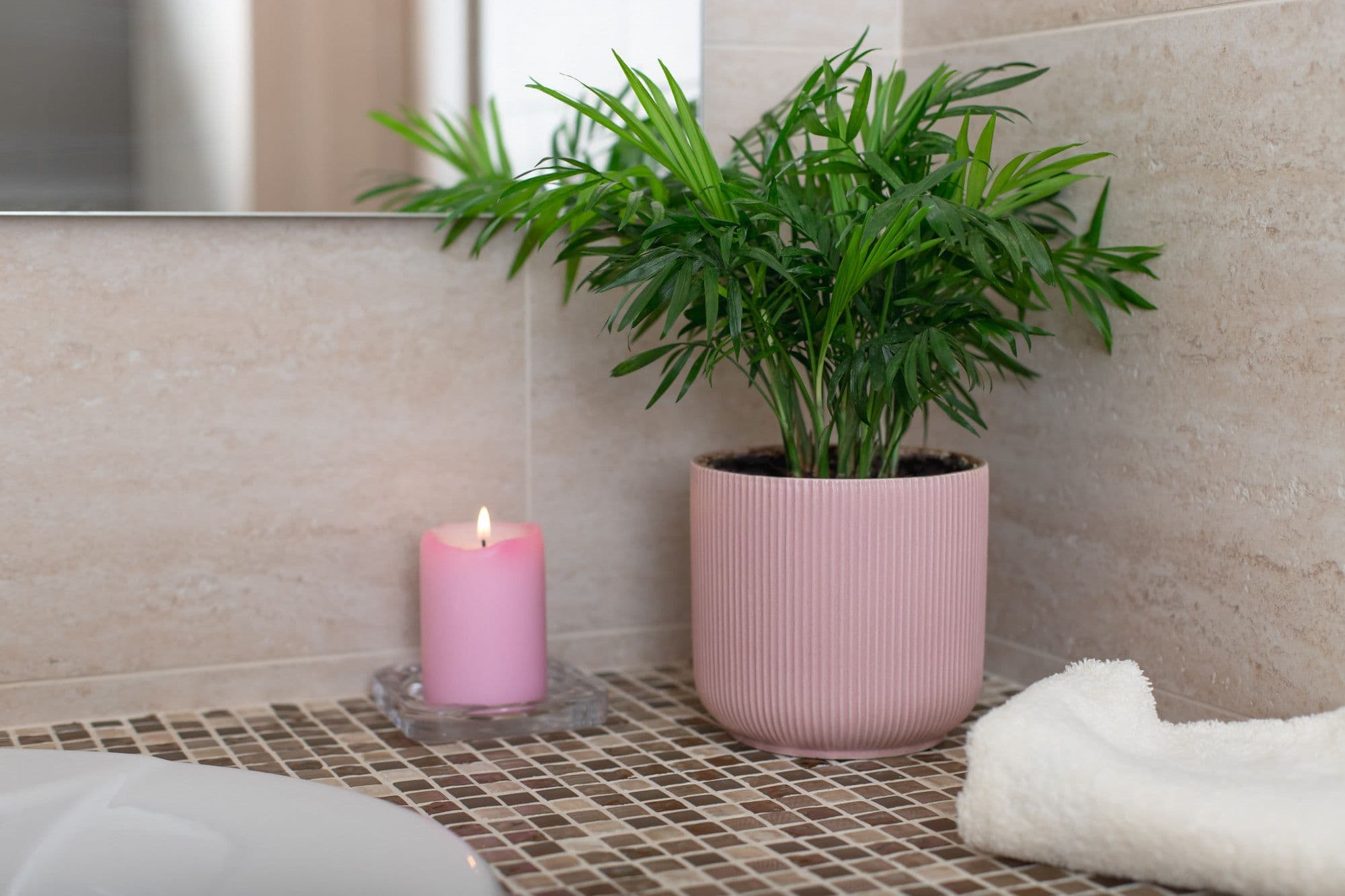
Discover the 12 best plants for bathroom spaces. Each pick comes with its own advantages, plus light, humidity, watering, and placement tips. Take a look and match the plant to your specific bathroom.
11 min read · 20 Jul 2026
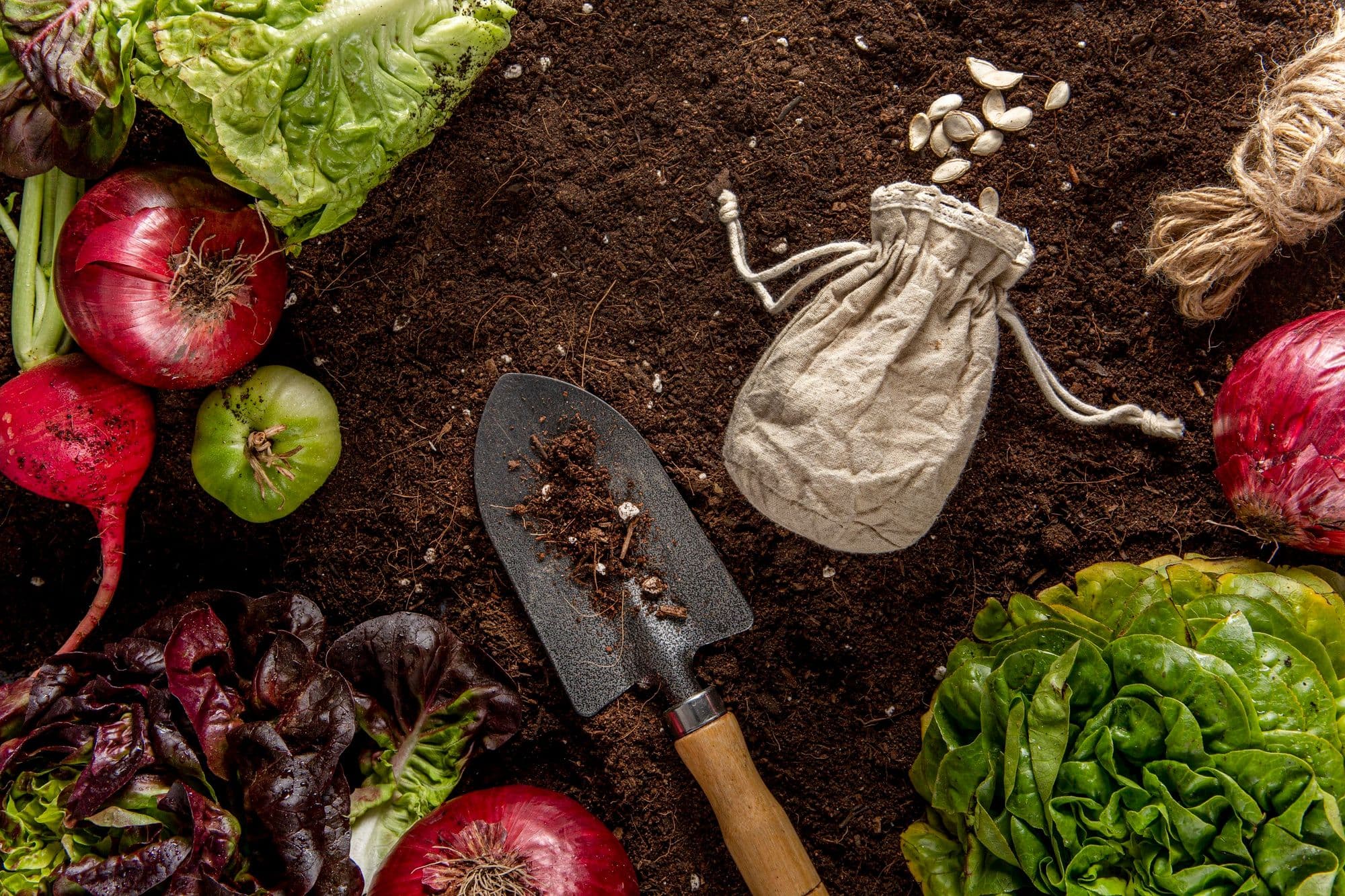
Here, you’ll find the right fertilizer formula for vegetables in your garden. Learn how to adjust feeding correctly throughout the growing cycle, spot nutrient deficiencies by their symptoms, and keep your plants healthy and prolific.