Best Soil for Creeping jenny (Lysimachia nummularia)

For strong root spread and steady growth, Lysimachia nummularia does best in moisture-retentive soil with a loose loamy texture and mildly acidic reaction.

Soil Texture

Loamy, Clay, Organic-rich

Soil pH

Acidic (5.5–6.5), Slightly acidic (6.5–7.0)

Soil Drainage

Waterlogged tolerant

Lysimachia nummularia Soil Guide

Native to Europe and western Asia, Lysimachia nummularia naturally grows in damp meadows, stream edges, and other moist ground. That background explains why it prefers soil that stays evenly moist and can handle periods of saturation without collapsing around the roots.

A loamy to clay-based, organic-rich substrate suits its creeping, shallow-rooting habit. The best soil for Creeping jenny holds water well but still has enough structure and air spaces for steady root spread. Slightly acidic to mildly acidic soil supports healthy growth without needing unusually mineral-heavy conditions.


A simple homemade mix helps balance moisture retention with enough air around the roots of Lysimachia nummularia. This works well for containers and planters.

100% total mix = 20 scoops
10%
perlite2 scoops
20%
coco coir or peat moss4 scoops
30%
compost or leaf mold6 scoops
40%
high-quality potting soil8 scoops

The finished blend should feel soft, slightly springy, and evenly moist, with slow but steady drainage rather than a fast, gritty flow.

A good target for soil pH is about 5.5–7.0. Creeping jenny prefers acidic to slightly acidic soil, though it can also handle conditions close to neutral.

Within that range, nutrients stay available without becoming overly limited by the soil reaction. If pH drifts too far outside it, the plant may have a harder time taking up key minerals even when they are present in the mix.

This species usually adapts well, but a few soil-related issues can still interfere with steady growth. Check the root zone first before assuming a larger care problem.

Compacted soil:

Compacted soil: dense, flattened mix can limit air around roots and slow spreading growth, so loosen the surface gently and refresh the top layer if it feels hard.

Hydrophobic mix:

Hydrophobic mix: very dry soil may shrink from the pot edge and resist rewetting, so moisten it gradually and mix the surface to help water soak in evenly.

Salt buildup:

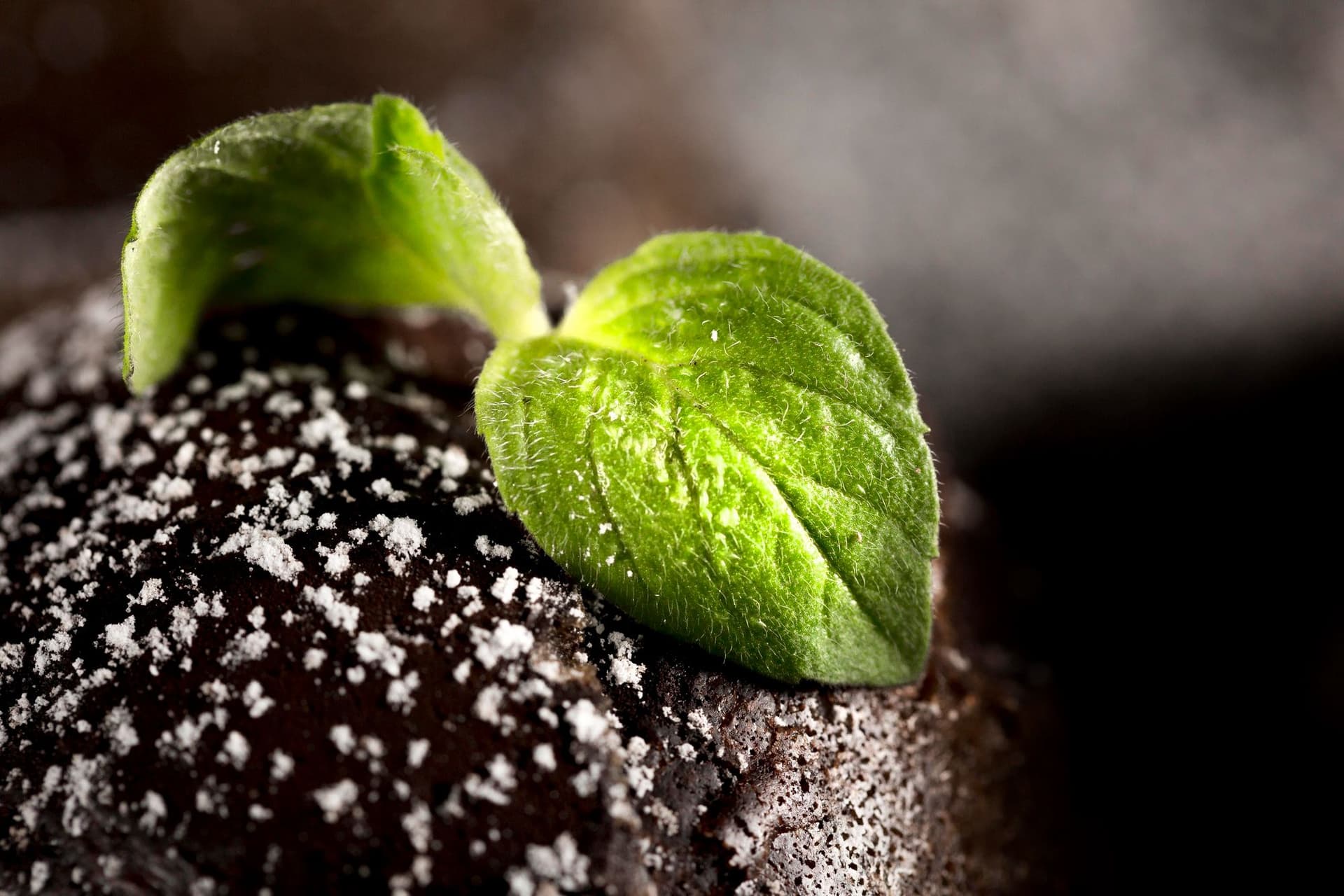
Salt buildup: white crust on the soil surface can come from minerals in water or leftover feed, so scrape it off and flush the mix thoroughly.

Stale organic media:

Stale organic media: when Creeping jenny sits in old broken-down mix, the root zone can lose structure, so replace part or all of the soil with fresher material.

Scan. Match. Grow.

Botan can help match this plant to a more suitable soil setup by combining identification with practical care guidance for containers and garden spaces.

FAQ

Yes. This plant has a fairly shallow root system, so a very deep pot is not necessary, but enough depth helps the soil stay evenly buffered and less prone to rapid surface drying.

Everything About Creeping jenny

More Plant Soil Guides

Is Your Soil the Problem?

Soil may be one factor behind visible decline. A photo-based check in Botan can help you decide whether the root zone is worth a closer look.

Botan app helping with soil and plant care
What Plants Don't Like Epsom Salt?

11 min read · 29 Jul 2026

What Plants Don't Like Epsom Salt?

Learn which plants can be seriously damaged by Epsom salt and which will thrive on it. We’ll explain when and how to use it properly, provide tips for indoor & outdoor plants — read on and enjoy a healthy garden.

Plant Care
What Plants Don't Like Epsom Salt?
What Do Plants Need to Grow – 5 Things Every Greenery Can't Live Without

8 min read · 31 Jul 2026

What Do Plants Need to Grow – 5 Things Every Greenery Can't Live Without

To keep plants healthy and thriving, provide the right balance of light, humidity, nutrients, airflow, and quality soil. This guide covers the essentials of year-round plant care.

Beginner Guides
What Do Plants Need to Grow – 5 Things Every Greenery Can't Live Without
Top 15 Plants That Don’t Need Sunlight

8 min read · 17 Sept 2026

Top 15 Plants That Don’t Need Sunlight

Some plants thrive in dim rooms, shaded corners, and places with indirect light. In this guide, you’ll explore the top 15 species best suited to low-light conditions and how to care for them.

Plant Recommendations
Top 15 Plants That Don’t Need Sunlight