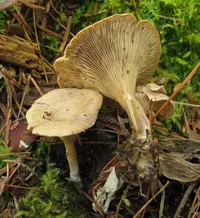
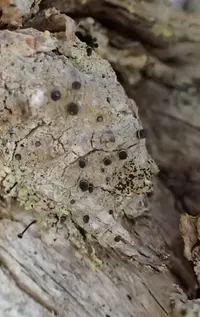
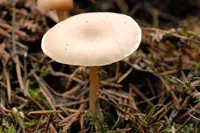
Cap Care (Gymnopilus subspectabilis)

Also known as: Gills, Stem, Spores, Habitat, Microscopic features, KOH, Taste, Odor, Look alikes
Cap

About Cap

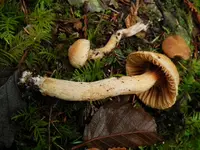
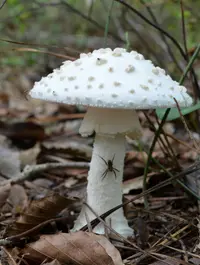
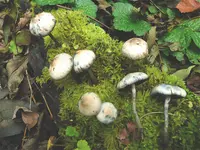
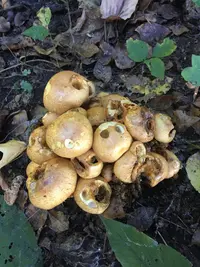
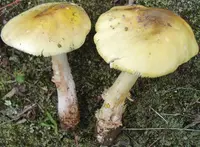
Gymnopilus subspectabilis, sometimes called the big laughing mushroom, is a large wood-rotting fungus rather than a typical ornamental plant. It forms dense clusters of yellow to orange-brown caps with sturdy stems, usually on decaying hardwood logs or buried wood. Native to North America, it is most often found in forests and wooded landscapes, appearing seasonally where dead wood stays moist. This species is not suited to casual home cultivation, and attempts to care for Cap are challenging due to its specialized relationship with decaying wood and outdoor conditions. It prefers shaded, humid environments and nutrient-rich, decomposing wood instead of standard potting soil.

Main Plant Requirements

Care Difficulty

Hard Care

Light Preference

Partial Shade

Water Requirements

Keep Soil Moist

Temperature Preference

Cool Climate

Hardiness Zone

Unknown

Soil Texture

Loamy, Organic-rich

Soil pH

Slightly acidic (6.5–7.0)

Soil Drainage

Moist but well-drained

Fertilization

Minimal (feed rarely)

Get Personalized Care Plan

Scan your plant to receive care tips personalized for your specific plant

Available on iOS and Android

How to Care for the Cap

This wood-decaying mushroom prefers low to moderate light, similar to a shaded forest floor.

  • Provide dappled or filtered light with no more than 1–2 hours of weak morning sun; avoid direct midday or afternoon sun, which can dry the substrate and damage developing caps.
  • Choose a spot with consistent open shade under shrubs, logs, or trees, mimicking woodland conditions rather than exposed lawns or full-sun beds.
  • In summer, increase shading if surrounding vegetation thins; in autumn, brief brighter light is acceptable as long as the substrate stays moist and does not heat excessively.

Gymnopilus subspectabilis fruits best on consistently moist, not waterlogged, woody substrate.

  • Keep the substrate evenly damp; when the top 1–2 cm of wood chips or sawdust feel just starting to dry, add water until moist through but not pooling.
  • Improve drainage by using loose wood chips or a mixed woody mulch so excess water can drain away, reducing the risk of rot or anaerobic, sour-smelling patches.
  • In hot, dry periods, check moisture daily; shriveling pins or brittle mycelial mats suggest underwatering, while slimy, foul-smelling substrate indicates chronic overwatering.

This fungus develops best in cool to mild conditions typical of temperate forests.

  • Aim for an active growth and fruiting range around 50–70°F (10–21°C), where mycelium can colonize woody material efficiently without heat stress.
  • Gymnopilus subspectabilis tolerates short dips near 32°F (0°C), but repeated hard frosts can damage fruiting bodies; the mycelium in protected wood often survives winter cold.
  • Above about 80°F (27°C), fruiting usually declines and substrate can dry quickly, so provide extra shading and moisture during hot spells and expect stronger flushes in spring and fall.

Humidity is not a major factor for Gymnopilus subspectabilis, which fruits well in typical outdoor ambient conditions.

This mushroom prefers a consistently moist, woody, organic substrate rather than conventional garden soil.

  • Use a mix based on hardwood chips, sawdust, and well-decayed leaf litter to mimic rotting wood conditions for Gymnopilus subspectabilis.
  • Ensure the substrate drains freely but never dries completely; excess standing water encourages anaerobic conditions that inhibit mycelium growth.
  • Aim for slightly acidic to neutral conditions, roughly pH 5.5–7.0, which favor strong colonization by the fungal mycelium.
  • Avoid compacted mineral soil, heavy clay, or peat-only mixes, which restrict air spaces and slow the spread of the fungus.

This species is not well suited to traditional decorative container growing and is usually cultivated in bags, tubs, or outdoor beds instead.

Gymnopilus subspectabilis is a wood-decaying fungus that does not benefit from conventional plant fertilizers and relies on its substrate for nutrition.

Pruning is not a standard practice for Gymnopilus subspectabilis, as it is a mushroom rather than a typical garden plant.

This fungus is not managed like a potted plant, but substrate blocks or inoculated logs can be moved when needed.

  • Transplant only when colonized substrate outgrows its container or log becomes exhausted and stops fruiting.
  • Best timing is after a flush finishes, allowing the mycelium to recover before being disturbed.
  • Move colonized material gently, keeping it intact to limit tearing and mycelial stress.
  • Maintain similar temperature, humidity, and airflow in the new location to support renewed growth.

Gymnopilus subspectabilis is propagated by spores or by transferring colonized substrate rather than traditional plant methods.

  • Use spore prints on sterile agar or grain to start new cultures under clean conditions.
  • Transfer fully colonized grain or sawdust spawn into fresh sterilized or pasteurized substrate.
  • Maintain high humidity, moderate temperatures, and low contamination for reliable colonization.
  • Work in a clean area with sanitized tools to reduce competing molds and bacteria.

Outdoor colonies usually need no specific winter care, as the fungus retreats into the wood or substrate between fruiting periods.

  • In very cold climates, thick logs or large substrate blocks provide natural insulation for the mycelium.
  • Keep containers or small blocks in a cool, frost-free area if extended hard freezes are expected.
  • Avoid waterlogging in cold weather, since saturated, frozen substrate can damage the mycelial network.

Care Tips

Sterile substrate prep

Use pressure-sterilized or commercially sterilized hardwood sawdust or woodchip blocks instead of garden soil or mulch to reduce contamination and improve reliability when trying to grow Gymnopilus subspectabilis.

Clean inoculation workflow

Disinfect tools and work surfaces with 70% isopropyl alcohol, flame-sterilize needles or scalpels, and keep movements slow and deliberate while transferring spawn to minimize bacterial and mold contamination.

Controlled moisture management

After colonization, maintain the fruiting container so that surfaces are just slightly damp, not glistening wet, and add fine misting plus increased air exchange instead of heavy watering if caps show signs of bacterial blotch or slimy patches.

Targeted air exchange

Provide several small, filtered air holes or brief daily lid-opening sessions in enclosed setups to release CO₂ buildup, encouraging sturdy stems and normal cap development rather than elongated, weak fruiting bodies.

Structured wood placement

If using outdoor logs or buried hardwood chunks, partially sink them into well-draining, shaded ground and cover lightly with leaf litter, which stabilizes moisture around the inoculated wood while reducing direct contact with competing surface fungi when caring for Cap.

Everything About Cap

Common Pests and Diseases

Mycophagous springtails

These insects feed on fungal tissue and can graze developing caps and gills, especially in very damp substrates. Symptoms include small surface pits, ragged cap margins, and tiny jumping insects visible when disturbed.

Solution

Reduce excess moisture by improving ventilation around the fruiting substrate and allowing the surface to dry slightly between misting, then manually remove heavily affected clusters. For indoor setups, use fine mesh or tight-fitting lids with filtered air exchange to exclude springtails and discard any badly grazed or contaminated blocks to maintain clean Gymnopilus subspectabilis care conditions.

Fungus gnat larvae

This pest lives in wet organic substrates and can tunnel through developing mushroom bases, leading to misshapen or collapsing clusters. Symptoms include soft, waterlogged stipes with small internal tunnels and tiny black adult gnats flying near the growing container.

Solution

Allow the substrate surface to become less saturated while maintaining overall humidity, and use yellow sticky traps near the grow area to reduce adult populations. Cover air inlets with fine mesh and promptly remove and discard any heavily infested blocks so new flushes can develop with fewer larvae present.

Green Trichoderma mold

This disease is caused by competing Trichoderma fungi that colonize the substrate, usually appearing first as white cottony growth that turns bright to dark green. Symptoms include stalled or aborted pin formation and a strong earthy or musty odor as the mold overruns the mycelium.

Solution

Isolate and remove contaminated blocks or trays at the first sign of green sporulation, since Trichoderma spreads by abundant airborne spores. Clean the growing area, tools, and containers with a suitable disinfectant, improve air circulation, and start new cultures from clean, uncontaminated spawn or tissue.

Bacterial blotch

This disease develops in very humid, poorly ventilated conditions and causes greasy, discolored patches on caps and stipes. Symptoms include yellow-brown or darker wet-looking spots that may feel slimy and can lead to tissue breakdown.

Solution

Increase fresh air exchange and reduce direct misting on caps, focusing moisture on the substrate instead. Remove and discard blotched clusters, sanitize tools, and keep condensation from dripping directly on developing fruiting bodies to limit bacterial spread.

Interesting Facts

Bitter-tasting mushroom

This species is distinctly bitter, which makes it easy to separate from many edible look-alike mushrooms that grow on wood, though taste-testing wild fungi is not recommended for safety reasons.

Clustered stump growth

It typically forms dense clusters of large caps on decaying hardwood stumps, especially in late summer to autumn, playing a role in breaking down lignin-rich wood.

Historically misidentified species

The taxonomic history of this fungus is complex, and it has often been confused with other large Gymnopilus species in field guides, leading to regional variation in the use of the name for different but similar-looking taxa.

Botan icon

Did you know?

Some specimens of this species have been reported to contain psychoactive compounds such as psilocybin, but chemical analyses show that this is not consistent, and the overall toxicity profile remains insufficiently studied, so mycologists advise treating it as a poisonous mushroom.

FAQs about Cap

This mushroom is regarded as poisonous and potentially psychoactive. Ingestion may cause nausea, vomiting, confusion, and other neurological symptoms. It must not be eaten by people or animals and should be removed from areas accessible to pets or children.

Grow Healthy Plants with Botan Care

Keep your plants happy and healthy with plant identification, disease detection, and easy care guidance.

Botan plant care app — identify plants on mobile

Explore More Plants