Select Proper Substrate
In cultivation, mount this fungus on dense, freshly cut hardwood logs or thick slabs (e.g., oak, beech, maple) since it is a brown-rot species that colonizes intact lignified tissue rather than loose wood chips alone.

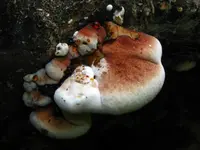
Resinous polypore, Ischnoderma resinosum, is a bracket fungus rather than a leafy plant. It forms thick, shelf-like fruiting bodies on dead or decaying hardwood, often in overlapping tiers. Young brackets are soft and brown with a white edge, becoming darker, tougher, and more resin-like as they age.
This species is native to temperate forests in North America and parts of Europe, where it plays an important role in wood decomposition. It is not a typical houseplant, but some enthusiasts care for Resinous Polypore on prepared logs or substrates. It generally prefers cool, moist, shaded conditions and stable humidity, which can be challenging to maintain indoors without controlled environments.

Care Difficulty
Moderate Care

Light Preference
Shade

Water Requirements
Keep Soil Moist

Temperature Preference
Cold Hardy

Hardiness Zone
4–9

Soil Texture
Loamy, Silty, Organic-rich

Soil pH
Strongly acidic (4.5–5.5), Acidic (5.5–6.5)

Soil Drainage
Moist but well-drained

Fertilization
Minimal (feed rarely)
Scan your plant to receive care tips personalized for your specific plant
Available on iOS and Android
This bracket fungus prefers shaded woodland conditions rather than open sun.
This wood-decay fungus depends on consistent substrate moisture rather than direct watering on the fruiting bodies.
This species develops best in cool to mild conditions typical of temperate forests.
This bracket fungus tolerates a wide humidity range but fruits best in consistently moist air.
Ischnoderma resinosum prefers to fruit on moist, decaying wood rather than in typical garden soil.
This species can be grown in containers if they hold colonized hardwood or wood-based substrate rather than standard potting mix.
This wood-decaying bracket fungus usually gains enough nutrients from its host and generally does not need added fertilizer in gardens or cultivation.
Pruning is not a standard practice for Ischnoderma resinosum, since it is a shelf fungus rather than a leafy ornamental plant.
This species is not typically grown in pots; management focuses on where it colonizes wood rather than on classic repotting cycles.
Propagation relies on spores and mycelial spread within dead or decaying wood, so it is usually handled more like mushroom cultivation than standard plant propagation.
In temperate climates this fungus is naturally cold hardy and usually needs no specific winter care when established on outdoor wood.

Plant Health Check
Not sure what's wrong with your plant? Check your plant's health inside the app.
Young fruiting bodies exude amber to reddish resin-like droplets along the margins, especially in humid weather, which gives this polypore its common name resinous polypore.
This species typically produces its soft, fleshy brackets in late summer to late fall, often persisting into early winter and helping break down dead hardwoods such as oak and beech.
Fresh brackets start velvety and rich brown with pale margins, then become darker, tougher, and sometimes almost black as they age and dry, which makes older specimens look quite different from young ones.

Genetic and morphological studies place resinous polypore in a small genus of wood-decaying fungi that are important brown-rot agents, meaning they selectively break down cellulose in wood while leaving behind brown, crumbly lignin that shapes forest soil structure over time.
This bracket fungus performs best outdoors on dead or dying hardwood, where it can colonize logs or stumps. Resinous Polypore indoor care is rarely successful because it requires large lignified substrates and stable forest-like humidity and airflow.
Keep your plants happy and healthy with plant identification, disease detection, and easy care guidance.