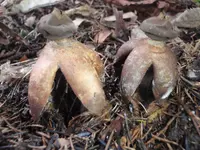
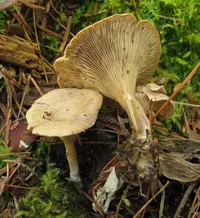
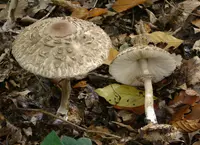
mealy funnel Care (Clitocybe vibecina)

Also known as: mealy funnel
mealy funnel

About mealy funnel

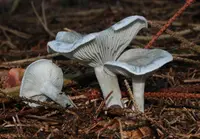
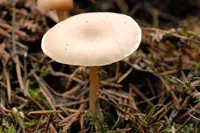
The mealy funnel, Clitocybe vibecina, is a small, soft-fleshed mushroom rather than a leafy plant. It forms low clusters of funnel-shaped caps with pale, often whitish to gray tones and thin, fragile stems. The surface can look slightly powdery or mealy, which gives it its common name.

This fungus typically appears in autumn and early winter in coniferous or mixed woodlands, often on needle litter or rich forest debris in temperate regions. It is not considered a beginner-friendly species to identify, as it closely resembles other small Clitocybe species, including toxic ones. For anyone interested in how to care for mealy funnel, it is generally left in natural woodland conditions rather than cultivated at home.

Main Plant Requirements

Care Difficulty

Hard Care

Light Preference

Shade

Water Requirements

Keep Soil Moist

Temperature Preference

Cool Climate

Hardiness Zone

Unknown

Soil Texture

Loamy, Sandy, Organic-rich

Soil pH

Acidic (5.5–6.5)

Soil Drainage

Moist but well-drained

Fertilization

Minimal (feed rarely)

Get Personalized Care Plan

Scan your plant to receive care tips personalized for your specific plant

Available on iOS and Android

How to Care for the mealy funnel

This saprotrophic fungus prefers cool, subdued woodland light rather than strong open sun.

  • Provide dappled or filtered light under trees, with 2–4 hours of weak morning or late-afternoon sun rather than direct midday exposure.
  • Choose north- or east-facing woodland edges; mealy funnel fruiting bodies scorch and dry quickly in full, exposed sun, especially during dry, windy periods.
  • In summer, canopy shade protects mycelium from overheating, while more open light in late autumn helps stimulate Clitocybe vibecina fruiting.

This woodland fungus depends on consistently moist, never waterlogged, soil to support healthy mycelium and fruiting.

  • Aim for soil that stays evenly moist to 5–8 cm depth; surface may dry slightly between rains, but deeper layers should remain damp to the touch.
  • Use loose, well-drained, leaf-rich soil so excess water runs off; persistent puddling, sour smell, or slimy caps indicate overwatering and poor aeration.
  • During dry spells, supplement rainfall lightly when the top 3–5 cm feel dry, reducing added moisture in cool, wet autumn when Clitocybe vibecina typically fruits.

This species favors cool, temperate conditions typical of late autumn woodlands.

  • Optimal fruiting occurs around 45–60°F (7–16°C), with the subterranean mycelium active over a broader cool range as long as moisture is stable.
  • It tolerates short drops near 32°F (0°C), but repeated hard frost below 28°F (-2°C) can damage fruiting bodies and slow activity in shallow soil layers.
  • Prolonged heat above 70–75°F (21–24°C), especially with dry air, suppresses fruiting; cooler, moist autumn conditions restore suitable temperatures for growth.

Humidity is not a major factor for Clitocybe vibecina, which naturally fruits in cool, outdoor forest conditions rather than controlled indoor air.

This fungus fruits on the forest floor and depends on specific outdoor substrates rather than conventional potting soil.

  • Prefers a loose, organic-rich forest litter layer with decomposing needles, leaves, and small twigs rather than mineral soil alone.
  • Requires consistently moist but not waterlogged conditions, with water draining freely through the litter and upper soil horizon.
  • Thrives in slightly acidic conditions, typically around pH 5.0–6.0, similar to many conifer woodland floors.
  • Avoid compacted, heavily tilled, fertilized, or mulched garden beds, which disrupt the natural substrate that supports Clitocybe vibecina.

This woodland fungus is not suitable for container growing and is best left to develop in natural forest substrates rather than pots.

Clitocybe vibecina is a wild, soil-dwelling fungus that does not need intentional fertilizing in gardens or containers.

Clitocybe vibecina is not pruned like a garden plant, since it is a wild mushroom that fruits briefly and then decomposes.

This fungus is not suited to normal repotting; it lives in soil or leaf litter and is rarely cultivated in containers.

  • Avoid disturbing sites where the mycelium (the main fungal body in soil) is established, as this can reduce or stop fruiting.
  • If relocation is essential, move a block of native soil and leaf litter intact, keeping it as undisturbed as possible.
  • Carry out any soil-moving work in cool, moist weather to limit drying and stress to the mycelium.
  • After transplanting soil, maintain natural moisture with gentle watering and an undisturbed mulch of leaves or needles.

Propagation of Clitocybe vibecina under controlled conditions is specialized and not typically attempted by home growers.

This is a cold-hardy wild fungus that normally needs no special winter care in its natural habitat.

Care Tips

Moisture level checks

Use a simple moisture meter or your finger to confirm the substrate stays just slightly damp rather than wet, since this fungus fruits best when the upper 2–3 cm of the medium never fully dries out or becomes waterlogged.

Cool microclimate setup

Place trays or containers in the coolest, most draft-free area available and, if needed, buffer temperature swings by surrounding them with water-filled bottles that slowly release or absorb heat.

Leaf litter management

Refresh the surface layer of sterilized leaf litter or fine wood mulch every few weeks to supply new organic material and to prevent compaction that can restrict air flow to the mycelium.

Gentle surface aeration

Lightly rake or perforate only the top 0.5–1 cm of the substrate with a clean fork or skewer to improve gas exchange, taking care not to disturb deeper mycelial threads.

Fruiting area hygiene

Remove spent fruiting bodies promptly and keep surrounding surfaces clean and free of decaying debris to reduce mold competition and maintain more stable conditions for caring for mealy funnel.

Common Pests and Diseases

Fungus gnat larvae

This pest targets moist, organic-rich substrates where the basidiomes and mycelium develop. Symptoms include thinning clusters, slow regrowth from the substrate, and fine tunneling damage in the fungal tissue near the base.

Solution

Reduce excess surface moisture and improve drainage of the growing medium so it dries slightly between waterings, then apply a biological control such as Bacillus thuringiensis israelensis (Bti) or predatory nematodes to target larvae in the substrate. Remove and discard heavily damaged fruiting bodies and any decaying organic matter on the surface to break the life cycle.

Mite infestation

These insects are microscopic arthropods that feed on mycelium and young fruiting bodies, especially in confined or humid setups. Symptoms include deformed caps, poor expansion, and a dusty or speckled appearance on the stipes and gill surfaces.

Solution

Lower humidity slightly, increase fresh air exchange, and avoid overcrowding clusters to make conditions less favorable for mites. Physically remove badly affected fruiting bodies, then use a targeted biological control such as predatory mites designed for mushroom production while avoiding broad-spectrum chemicals that can damage the mycelium.

Green Trichoderma mold

This disease arises when competing Trichoderma species colonize the substrate or casing layer, forming white mycelium that rapidly turns bright green. Symptoms include stalled growth, aborted primordia, and a strong earthy or musty odor from contaminated areas.

Solution

Isolate and remove all visibly green or heavily colonized substrate and fruiting bodies, disposing of them in sealed bags to limit spore spread. Disinfect nearby surfaces and tools, increase air exchange, and adjust watering so the surface stays just moist, not wet, to favor healthy Clitocybe vibecina growth over the contaminant.

Bacterial blotch

This disease is caused by opportunistic bacteria that thrive on persistently wet caps and poor air circulation. Symptoms include greasy, water-soaked spots on caps, surface slime, and rapid softening or collapse of affected basidiomes.

Solution

Improve ventilation and reduce direct water contact on caps by misting the air or walls rather than the mushrooms, allowing surfaces to dry slightly between humidification cycles. Remove and discard all affected fruiting bodies, then clean the growing area with a mild disinfectant to reduce bacterial load.

Interesting Facts

Late-autumn fruiting

This small funnel-shaped mushroom typically appears very late in the season, often from late autumn into early winter, sometimes even after the first frosts when many other fungi have already disappeared.

Conifer litter specialist

It commonly fruits among needle litter in coniferous or mixed woodlands, where it contributes to breaking down tough conifer needles and recycling nutrients in forest soils.

Subtle but distinctive odor

The fruitbodies often have a faint but characteristic smell, sometimes described as slightly spermatic or musty, which mycologists use as one of several field characters to help separate it from similar small brown fungi.

FAQs about mealy funnel

This small woodland mushroom is considered inedible and is sometimes reported as mildly toxic. It should not be collected for food. Identification can be difficult, and confusion with more dangerous funnel-shaped species is possible.

Grow Healthy Plants with Botan Care

Keep your plants happy and healthy with plant identification, disease detection, and easy care guidance.

Botan plant care app — identify plants on mobile

Explore More Plants