Olive Shaggy Parasol Care (Chlorophyllum olivieri)

Also known as: Conifer Parasol
Olive Shaggy Parasol

About Olive Shaggy Parasol

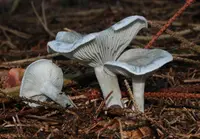
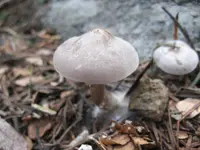
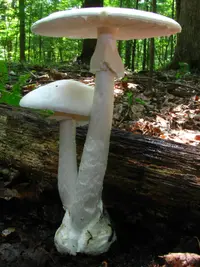
Chlorophyllum olivieri, commonly called the olive shaggy parasol, is a fleshy, ground-dwelling mushroom rather than a leafy plant. It forms robust, umbrella-shaped caps with olive-brown scales and a thick, pale stem, often appearing in small groups.

This species typically grows in woodlands, gardens, and grassy edges across Europe and parts of temperate regions, often in rich, disturbed soils. It can be variable in appearance and is sometimes confused with closely related species, which makes identification challenging.

Because of this variability and confusion with toxic look-alikes, it is not recommended for casual foraging, even if you want to learn how to care for Olive Shaggy Parasol in a cultivated setting.

Main Plant Requirements

Care Difficulty

Moderate Care

Light Preference

Partial Shade

Water Requirements

Moderate Water

Temperature Preference

Cool Climate

Hardiness Zone

Unknown

Soil Texture

Loamy, Silty, Organic-rich

Soil pH

Acidic (5.5–6.5), Slightly acidic (6.5–7.0)

Soil Drainage

Moist but well-drained

Fertilization

Minimal (feed rarely)

Get Personalized Care Plan

Scan your plant to receive care tips personalized for your specific plant

Available on iOS and Android

How to Care for the Olive Shaggy Parasol

This woodland mushroom prefers dappled light that mimics forest conditions.

  • Provide 2–4 hours of soft morning sun with the rest of the day in bright shade or filtered light through trees or shrubs.
  • Tolerates partial shade and even deep shade, but caps become pale and fruiting less frequent with very low light.
  • Avoid strong midday and afternoon sun, which can dry the substrate and scorch developing Olive Shaggy Parasol caps, especially in summer.

This species relies on consistently moist, well-aerated soil to fruit reliably.

  • Maintain evenly moist soil to 5–8 cm depth; surface may dry slightly between rains or waterings but deeper layers should stay damp, not soggy.
  • Use loose, humus-rich soil with very good drainage so excess water drains within minutes, preventing persistent puddles and anaerobic conditions.
  • Watch for yellowing, collapsing caps and sour smell as signs of overwatering and waterlogging; small, hard, cracking pins suggest the substrate is too dry.

This mushroom fruits best in cool to mild conditions typical of temperate forests.

  • Optimal fruiting occurs around 55–68°F (13–20°C), with steady soil moisture and moderate humidity supporting reliable emergence.
  • Mycelium usually survives down to about 32°F (0°C), but hard frost and frozen ground can halt activity and damage exposed fruiting bodies.
  • Tolerates short heat spells up to about 80°F (27°C) if shaded and moist; sustained heat or hot, dry winds sharply reduce fruiting and can desiccate caps.

This mushroom-forming fungus has minimal humidity sensitivity in outdoor culture and usually matches ambient conditions.

This saprotrophic fungus fruits best in loose, organic-rich ground that holds moisture but does not stay waterlogged.

  • Use a crumbly mix of leaf litter, compost, and garden loam that mimics a forest floor texture.
  • Ensure rapid drainage by avoiding compacted clay and by lightly forking the top 5–10 cm to improve pore space.
  • Maintain slightly acidic to neutral conditions around pH 6.0–7.0 by incorporating leaf mold rather than alkaline materials.
  • For reliable Chlorophyllum olivieri care in managed beds, keep the organic layer refreshed so it does not collapse into a dense mat.

This species is generally unsuitable for long-term container cultivation beyond short, experimental setups.

This wild, mycorrhizal fungus is usually not fertilized in gardens or containers, and added nutrients are rarely necessary for the Olive Shaggy Parasol.

Chlorophyllum olivieri does not need structured pruning, but removing spent structures can improve hygiene around the fruiting area.

  • Cut old, collapsed fruiting bodies at the base with a clean knife or scissors once they begin to rot.
  • Remove obviously diseased or moldy tissue promptly to limit spore spread and reduce pests.
  • Avoid disturbing surrounding soil or mycelium when trimming, as this underground network supports future growth.

This fungus is not typically grown in pots; in gardens, focus on minimal disturbance when adjusting its growing site.

  • Transplant only if the site will be destroyed or heavily disturbed, as the mycelium is sensitive to soil disruption.
  • Best timing is early spring or early fall, moving colonized soil blocks rather than bare mycelium.
  • Lift and transfer generous soil sections containing the white mycelial network to a similar, well-drained, organic-rich location.
  • Water gently after transplanting and keep the area evenly moist, avoiding compaction to reduce stress on the fungal network.

Intentional propagation of Chlorophyllum olivieri is uncommon and technically demanding for home growers.

This temperate, ground-dwelling fungus is naturally cold hardy and usually needs no special winter care in garden settings.

  • Allow foliage and organic debris to remain as a natural mulch layer over the colonized soil.
  • Avoid deep digging, raking, or soil inversion in winter so the mycelium remains insulated and undisturbed.
  • Container experiments should overwinter in a cold but frost-sheltered spot to prevent repeated freeze–thaw of the substrate.

Care Tips

Use clean patches

Harvest only from well-ventilated, debris-free beds and remove any decaying organic matter nearby, as clean, lightly worked soil reduces contamination risk and supports healthier fruiting bodies.

Rotate collection areas

Avoid repeatedly picking from the exact same small patch each flush; instead, harvest across a wider area to reduce compaction and disturbance of the underlying mycelium so the colony can regenerate.

Minimize soil disturbance

Cut mushrooms at the base with a clean knife rather than pulling them out, which helps keep the mycelial network intact and maintains stable fruiting over several seasons.

Monitor for look-alikes

Regularly review identification features and remove any suspicious or unknown mushrooms from the cultivation bed, as this limits spore spread of unwanted or hazardous look-alikes while growing Olive Shaggy Parasol.

Record fruiting patterns

Keep simple notes on dates, weather, and yield for each flush, then adjust irrigation timing and shading based on these records to better align future care with the species’ actual fruiting responses on your site.

Common Pests and Diseases

Mycophagous springtails

These insects feed on the fruiting bodies and developing tissue, creating small surface pits and cosmetic damage on caps and stems. This pest is most common in moist, organic-rich substrates where Chlorophyllum olivieri appears.

Solution

Reduce excess surface moisture, remove heavily damaged mushrooms, and improve ventilation in cultivation beds or trays. For persistent activity, use fine mesh barriers around the growing area and, if needed, apply a targeted biological control such as beneficial nematodes to the substrate, following mushroom-safe product directions.

Fungus gnat larvae

This pest lives in moist substrate and feeds on mycelium and young primordia, leading to deformed or aborted fruiting bodies. Symptoms include soft, weakened stems and small black adult gnats flying near the mushrooms.

Solution

Allow the upper substrate layer to dry slightly between waterings while still protecting underlying mycelium, and remove any heavily infested material. Use yellow sticky traps to catch adults and introduce a biological control such as Bacillus thuringiensis israelensis (Bti) to the substrate to suppress larvae without harming the fungus.

Bacterial blotch

This disease appears as greasy, slimy, or water-soaked spots on caps, often starting around handling injuries or areas that stayed wet for long periods. Symptoms include localized yellow to brown discoloration and soft breakdown of the cap surface.

Solution

Avoid overhead watering that leaves caps wet, handle fruiting bodies gently, and promptly remove and discard affected mushrooms. Improve air circulation, reduce humidity peaks, and disinfect tools and containers with a mild bleach solution (about 1:10 bleach to water) between uses to limit spread.

Green mold contamination

This disease is caused mainly by Trichoderma species colonizing the substrate or casing, producing dense white mycelium that turns bright green as spores form. Symptoms include stunted or missing fruiting bodies in contaminated zones, as the mold competes aggressively with the target mycelium.

Solution

Carefully remove and discard contaminated patches of substrate and nearby material in sealed bags to prevent spore spread, then adjust conditions to favor the mushroom mycelium with stable moisture and good air flow. In cultivation, start with pasteurized or well-sterilized substrate, avoid overwatering, and keep tools and containers clean to reduce initial contamination.

Interesting Facts

Olive-tinged cap scales

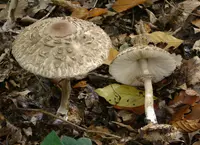
The cap surface often shows distinctive olive to olive-brown scales on a paler background, a key feature separating it from the more uniformly brown or white caps of closely related Chlorophyllum species.

Microscopic spore differences

Its spores are smaller and more narrowly ellipsoid than those of the shaggy parasol complex, allowing reliable identification under a microscope when macroscopic features overlap with similar species.

European woodland specialist

This species is most frequently recorded in temperate European woodlands and forest edges, where it fruits on rich, humus-layer soil rather than in lawns or compost heaps that other Chlorophyllum species commonly prefer.
Botan icon

Did you know?

Chlorophyllum olivieri was only formally distinguished as a separate species from the shaggy parasol group in the late 20th and early 21st century, after detailed studies of its morphology and DNA sequences showed it represents an independent evolutionary lineage.

FAQs about Olive Shaggy Parasol

Identification of wild mushrooms is complex, and this species is often confused with toxic look-alikes. Only trained mycologists should consider it. For most people, collection for food is not recommended due to poisoning risk.

Grow Healthy Plants with Botan Care

Keep your plants happy and healthy with plant identification, disease detection, and easy care guidance.

Botan plant care app — identify plants on mobile

Explore More Plants