white porecap Care (Favolaschia pustulosa)

white porecap

About white porecap

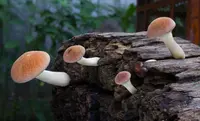
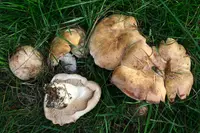
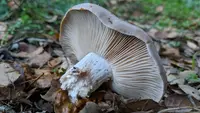
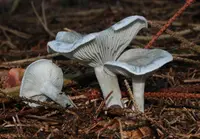
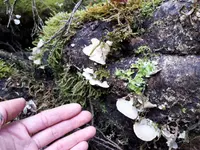
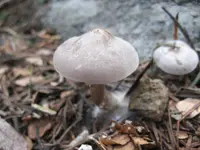
Favolaschia pustulosa, often called white porecap, is a small, delicate wood-inhabiting fungus rather than a leafy houseplant. It forms tiny, pale to white cup or fan-shaped caps with visible pores on the underside. These often appear in clusters on decaying wood in humid, shaded forests.

This species is mainly reported from tropical and subtropical regions, where it helps break down dead wood. It can be challenging to grow indoors because it depends on consistently high humidity, stable moisture, and the right decaying wood substrate. Anyone wanting to learn how to care for white porecap should understand that it behaves more like a specialized mushroom culture than a conventional potted plant.

Main Plant Requirements

Care Difficulty

Hard Care

Light Preference

Partial Shade

Water Requirements

Keep Soil Moist

Temperature Preference

Tropical / Frost Sensitive

Hardiness Zone

Unknown

Soil Texture

Organic-rich, Peaty

Soil pH

Acidic (5.5–6.5)

Soil Drainage

Moist but well-drained

Fertilization

Minimal (feed rarely)

Get Personalized Care Plan

Scan your plant to receive care tips personalized for your specific plant

Available on iOS and Android

How to Care for the white porecap

Favolaschia pustulosa thrives in soft, filtered woodland-style light rather than direct, open sun.

  • Provide bright dappled or filtered light for 4–6 hours/day, such as under shrubs or beneath a tree canopy where sunlight is broken by foliage.
  • Tolerates deep shade for part of the day, but prolonged very low light slows growth and reduces the characteristic pores of white porecap.
  • Avoid strong midday and afternoon sun, which can dry the substrate quickly; morning sun through light cover is acceptable in cooler seasons.

This fungus prefers consistently moist, airy substrate rather than alternating extremes of wet and dry.

  • Keep leaf litter, decaying wood, or bark evenly damp; allow only the top 1–2 cm to begin drying before re-wetting, especially during active fruiting.
  • Use loose, well-drained organic material so water can pass through instead of pooling, which reduces the risk of rot and anaerobic (low-oxygen) conditions.
  • Increase moisture checks in warm, windy periods and reduce additions in cool, slow-drying weather; shriveling caps suggest dryness, while slimy, collapsing tissue suggests excess moisture.

This species favors mild, consistently cool to warm conditions typical of sheltered forest floors.

  • Aim for 60–77°F (16–25°C) for steady development; growth usually slows outside this band but may persist slightly above or below for short periods.
  • Protect from cold snaps below about 45°F (7°C), as repeated exposure near this level can damage fruiting bodies and suppress new formation.
  • Avoid hot, exposed microclimates above 86°F (30°C); combine shade and higher humidity to buffer heat during peak summer conditions.

This fungus prefers consistently very high humidity to develop stable fruiting bodies.

  • Aim for 80–95% relative humidity, as white porecap dries quickly below 70%.
  • Watch for shriveling, pale or cracked pore surfaces, and halted growth as signs of humidity stress.
  • Increase humidity with closed terraria, frequent fine misting of substrate (not heavy soaking), and minimal air drafts.

Favolaschia pustulosa grows best on moist, well-aerated, organic substrates rather than conventional mineral soil.

  • Use finely shredded hardwood pieces, decayed wood chips, and leaf mold as the primary substrate, forming a loose, spongy structure.
  • Ensure excess water drains freely so the substrate feels moist but never waterlogged or anaerobic.
  • Maintain a slightly acidic environment, roughly pH 5.5–6.5, by using leaf litter or peat-based components instead of alkaline additives.
  • Improve aeration by mixing in coarse bark or larger wood chips so air can move through the substrate around the mycelium.

This species can be grown in containers when the vessel maintains stable moisture and high humidity around the substrate.

  • Choose a shallow, wide container so the fungal colony can spread laterally across the substrate surface.
  • Use a lidded or partially covered container to trap humidity while still allowing some fresh air exchange through small vents or gaps.
  • Place a perforated inner tray above a small water reservoir so evaporating water raises humidity without saturating the substrate.

This wood-decaying fungus usually needs no fertilizer when grown on suitable dead wood or sterile substrate.

Pruning is generally unnecessary for Favolaschia pustulosa, which naturally forms small fruiting clusters on decaying wood.

When cultivated on logs or in sterile culture, substrate renewal matters more than traditional repotting.

  • Replace spent or heavily colonized substrate when fruiting declines or growth becomes patchy.
  • Plan work for mild conditions, avoiding temperature extremes that stress the mycelium.
  • Move colonized wood or blocks gently, keeping moisture levels stable and exposure to open air brief.
  • Rehouse into fresh, clean substrate of similar composition, minimizing disturbance of the existing mycelial network.

Propagation focuses on expanding mycelium rather than handling Favolaschia pustulosa as a typical ornamental plant.

  • Use tissue culture or clean spore inoculation onto sterile agar or grain as primary methods.
  • Carry out inoculations in late winter or early spring to align with natural fruiting cycles.
  • Maintain consistent warmth, moderate humidity, and low contamination by working with sterile tools and containers.
  • Once colonized, transfer to clean hardwood-based substrates to encourage reliable fruiting.

Outdoor colonies on suitable wood tolerate cool, temperate winters and usually need little targeted care.

  • In very cold regions below about 25°F, situate inoculated wood in a sheltered, frost-moderated spot.
  • Avoid repeated freeze–thaw cycles by keeping substrates out of direct winter sun and strong wind.
  • For container or lab-grown cultures, maintain stable indoor temperatures and prevent the substrate from drying out completely.

Care Tips

Stable airflow

Provide gentle, constant air movement with a small fan set on low to reduce bacterial and fungal competition on the fruiting surface without drying the substrate crust hard.

Clean misting tools

Use a dedicated, disinfected spray bottle for misting around the culture and rinse it weekly with a mild bleach solution to limit introduction of mold spores and bacteria.

Substrate surface grooming

If green mold or competing fungi appear on the surface, carefully scrape off the contaminated outer layer with a sterile spoon and top up with a thin layer of fresh, colonized substrate.

Shaded side-lighting

Position the container so that light comes from the side through a translucent barrier (frosted plastic or thin cloth) to encourage evenly oriented caps and reduce phototropic stretching toward a single bright point.

Staggered flush management

After each heavy flush, harvest all fruit bodies, remove loose debris, and slightly increase fresh air for 2–3 days to help the mycelium recover and prepare for the next wave when growing white porecap in a small enclosure.

Common Pests and Diseases

Greenhouse fungus gnats

This pest is attracted to constantly wet, fungus-rich substrates and can thrive in humid terrarium or culture-box conditions used for Favolaschia pustulosa. Symptoms include tiny black flies around the culture and larvae feeding in the moist substrate and on young fungal tissue.

Solution

Reduce excess surface moisture, improve ventilation, and avoid constantly saturated substrate while still maintaining the high humidity the fungus needs. Use yellow sticky traps for adults and, if needed, a targeted biological larvicide containing Bacillus thuringiensis israelensis (Bti) in the substrate, applied at labeled rates for fungus gnat control.

Mite contamination

This pest includes various saprophagous (decomposer-feeding) mites that can invade fungal cultures, feeding on fruiting bodies and mycelium and leaving pitted or deformed pore surfaces. Symptoms include tiny moving white or tan specks on the underside of caps, culture dishes, or wood pieces.

Solution

Physically isolate and discard heavily infested cultures, then re-start from clean tissue or spores if possible. Improve hygiene by sterilizing or baking wood substrates before use, sealing culture containers well but still allowing gas exchange, and, in non-laboratory home setups, gently rinsing affected small decorative pieces under cool running water to wash mites away and then re-establishing in a fresh, clean container as part of careful Favolaschia pustulosa care.

Trichoderma mold overgrowth

This disease is caused by aggressive green molds (Trichoderma spp.) that colonize the same lignocellulosic substrates and outcompete F. pustulosa mycelium. Symptoms include dense, bright to dark green fuzzy patches that spread rapidly over the substrate and across the pores of fruiting bodies.

Solution

Immediately remove and discard contaminated blocks, wood pieces, or plates, since Trichoderma is very difficult to eradicate in situ. Start new cultures on freshly sterilized or pasteurized substrate, avoid handling healthy cultures after touching contaminated ones, and lower free water on surfaces while maintaining high humidity to favor the established F. pustulosa rather than the mold.

Bacterial blotch

This disease arises when opportunistic bacteria proliferate on constantly wet fruiting bodies in stagnant air, leading to soft, slimy, or water-soaked lesions on the white pore surface and cap. Symptoms include localized yellowish or brownish translucent spots that may coalesce and cause collapse of the delicate pores.

Solution

Improve air exchange around the fungus to reduce surface wetness while keeping ambient humidity high, and avoid direct water droplets sitting on caps by misting the enclosure walls rather than spraying the fruiting bodies. Remove and discard severely affected structures with clean tools, then clean the container with mild unscented soap and hot water before resetting the habitat with fresh, clean wood substrate.

Substrate souring

This disease-like condition is caused by over-colonization of the wood or substrate by unwanted yeasts and lactic or acetic bacteria, which acidify the environment and suppress F. pustulosa growth. Symptoms include a sharp sour or vinegar-like odor, slowed or stopped mycelial spread, and discoloration of the substrate surface without the typical white Favolaschia mycelium.

Solution

Discard badly soured substrate and any non-essential colonized material, as rebalancing the microflora is rarely reliable in small indoor setups. When re-establishing cultures, use fresh, properly conditioned hardwood, avoid adding sugary additives, maintain good but gentle airflow, and keep moisture high but not waterlogged to favor healthy mycelial colonization over fermentative microorganisms.

Interesting Facts

Pored disc structure

The fruiting bodies form almost perfectly circular, shallow disc caps with a dense surface of round pores, rather than the gills seen in many mushrooms, creating the characteristic honeycomb look on rotten wood.

Tropical wood decomposer

This species is typically found on very decayed, often mossy logs in humid tropical and subtropical forests, where it plays a role in breaking down lignocellulosic plant material and recycling nutrients back into the ecosystem.

Bright color variation

Although many Favolaschia species are orange, this species is noted for its pale to whitish pore surface, making it visually distinct from its more vividly colored relatives and useful in field identification.

FAQs about white porecap

This fungus spreads mainly through airborne spores that colonize damp, decaying wood or leaf litter. In suitable forest-like conditions it can appear in large patches, but it does not behave like an invasive garden weed.

Grow Healthy Plants with Botan Care

Keep your plants happy and healthy with plant identification, disease detection, and easy care guidance.

Botan plant care app — identify plants on mobile

Explore More Plants