Sterile substrate setup
Prepare a low-nutrient, well-drained substrate such as pasteurized hardwood sawdust mixed with a small proportion of straw, and sterilize or thoroughly pasteurize it to reduce competing fungi and bacteria before inoculation.

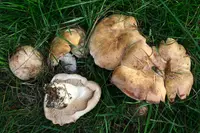
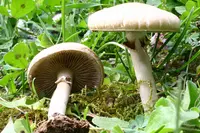
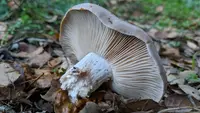
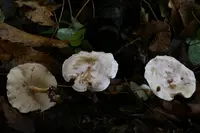
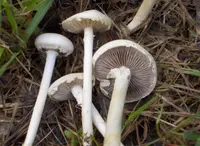
Clitopilus geminus is a small saprotrophic mushroom rather than a traditional green plant. It forms thin, pale to pinkish caps with decurrent gills that run slightly down the stem. The spore print is typically pink, a key feature for field identification.
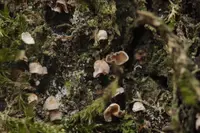
This species is reported from temperate regions, often appearing on soil or among leaf litter in woodland or grassland habitats. Because it relies on specific organic substrates and natural microclimates, it is not an easy subject for home cultivation, and detailed guidance on how to care for Clitopilus geminus under controlled conditions is limited.
In nature it prefers moist, well-aerated substrates and stable humidity, usually in shaded to semi-shaded locations.

Care Difficulty
Moderate Care

Light Preference
Partial Shade

Water Requirements
Keep Soil Moist

Temperature Preference
Cool Climate

Hardiness Zone
Unknown

Soil Texture
Loamy, Silty, Organic-rich

Soil pH
Acidic (5.5–6.5)

Soil Drainage
Moist but well-drained

Fertilization
Minimal (feed rarely)
Scan your plant to receive care tips personalized for your specific plant
Available on iOS and Android
This species needs moderate, indirect light that mimics dappled woodland conditions.
Watering should keep the substrate evenly moist but never waterlogged.
Stable, cool to mild temperatures support reliable development.
This saprotrophic fungus prefers evenly moist, moderately humid conditions to fruit reliably.
Clitopilus geminus fruits best on loose, organic-rich, consistently moist substrate rather than dense mineral soil.
This species can be grown in containers as a managed substrate culture rather than a typical potted plant.
This fungus usually obtains nutrients from its substrate, so Clitopilus geminus rarely benefits from additional fertilization.
Pruning is not typically relevant, as Clitopilus geminus is a short-lived fruiting fungus rather than a leafy plant.
Transplanting focuses on moving colonized substrate rather than handling Clitopilus geminus as a rooted plant.
Propagation of Clitopilus geminus is specialized and usually managed by experienced growers using sterile methods.
Specific winter care is generally unnecessary, as this fungus is managed by timing cultivation rather than outdoor overwintering.

Plant Health Check
Not sure what's wrong with your plant? Check your plant's health inside the app.
Clitopilus geminus was long treated as part of Clitopilus prunulus until molecular studies and detailed morphology showed it to be a distinct European species with consistently smaller spores and subtle macroscopic differences.
Under a microscope, its spores show fine, longitudinal ridges known as striations, a key character that separates it from closely related Clitopilus species that may appear similar in the field.
This fungus typically fruits on soil or litter in broadleaved woodlands, often under beech and other hardwoods, where it acts as a saprotroph that decomposes leaf litter and contributes to nutrient cycling in temperate forests.
This is a lesser-known gilled mushroom and should be treated as not edible unless confirmed by a local expert mycologist. Misidentification with toxic look-alikes is possible, so avoid consumption and focus on observation rather than harvest.
Keep your plants happy and healthy with plant identification, disease detection, and easy care guidance.