
Agrocybe dura Care

Agrocybe dura

About Agrocybe dura

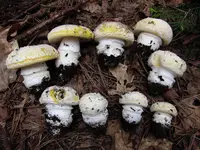
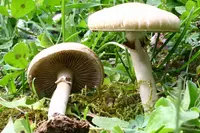
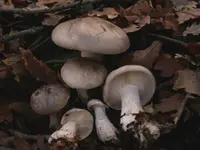
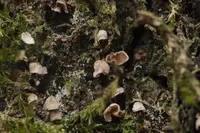
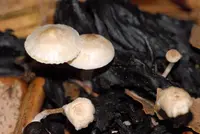
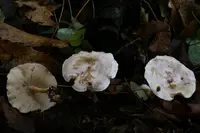
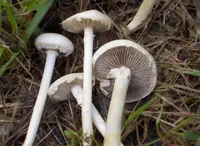
Agrocybe dura is a small, short‑lived mushroom rather than a leafy houseplant. It typically forms pale to light brown caps with a smooth surface and slender stems, often appearing in groups.

This species usually occurs in grasslands, lawns, and disturbed soils across parts of Europe and other temperate regions, often emerging after rain in nutrient‑rich ground.

It is considered a modest, unobtrusive fungus with no major culinary or ornamental value, and identification can be difficult for non‑specialists. Anyone trying to care for Agrocybe dura in cultivation should focus on providing consistently moist organic substrate and cool to mild outdoor conditions that mimic its natural habitat.

Main Plant Requirements

Care Difficulty

Moderate Care

Light Preference

Partial Shade

Water Requirements

Keep Soil Moist

Temperature Preference

Cool Climate

Hardiness Zone

Unknown

Soil Texture

Loamy, Silty, Organic-rich

Soil pH

Slightly acidic (6.5–7.0)

Soil Drainage

Moist but well-drained

Fertilization

Minimal (feed rarely)

Get Personalized Care Plan

Scan your plant to receive care tips personalized for your specific plant

Available on iOS and Android

How to Care for the Agrocybe dura

This fungus prefers moderate, indirect light that mimics dappled woodland conditions.

  • Provide 2–4 hours of soft morning sun or bright filtered light; avoid harsh midday exposure that can dry the substrate too quickly.
  • Agrocybe dura fruits best in light shade, such as under deciduous trees or beside taller plants, where it gets broken, shifting light during the day.
  • In summer, protect from prolonged direct sun and wind; in cooler seasons, ensure it still receives consistent ambient daylight to support mycelium vigor.

Moisture management is critical, as this fungus needs consistently damp but not waterlogged substrate.

  • Water when the upper 2–3 cm of substrate feel just barely dry, aiming for evenly moist conditions rather than distinct wet-dry cycles.
  • Use well-drained, organic-rich soil or woody debris so excess water can escape; standing water promotes rot and contaminant growth.
  • Reduce watering in cool or very humid weather, and watch caps: dry, cracking caps suggest insufficient moisture, while mushy, collapsing caps indicate overwatering.

Stable, cool to mild temperatures support reliable mycelium growth and fruiting.

  • Aim for 55–68°F (13–20°C) during active growth, as this range supports steady mycelial activity and well-formed fruiting bodies.
  • Short drops to 41–45°F (5–7°C) are usually tolerated, but repeated frost or freezing can damage the substrate and slow or halt development.
  • In hot weather above 77°F (25°C), shade and moisture retention become important, since excess heat combined with drying winds can shrink or abort developing mushrooms.

This species tolerates a wide humidity range but performs best in moderately moist air when fruiting.

  • Aim for 50–70% humidity around developing caps to reduce drying and cracking.
  • Tolerates brief drier air, but persistent humidity below 40% can cause small, brittle mushrooms and early cap splitting.
  • Increase humidity locally by misting the substrate surface lightly and using a perforated humidity tent, avoiding condensation dripping onto caps.

Agrocybe dura grows best on loose, organic-rich substrate that drains well yet retains steady moisture.

  • Use a mix based on pasteurized composted manure or hardwood sawdust blended with straw or coarse bark to create structure and airflow.
  • Ensure any casing layer is fine-textured, evenly moist, and no more than 1–2 cm deep to avoid compaction and anaerobic zones.
  • Maintain slightly acidic to neutral conditions, roughly pH 6.0–7.5, by avoiding lime-heavy materials unless the base substrate is very acidic.
  • Do not use dense garden soil or heavy clay-based mixes, which stay waterlogged and limit oxygen, slowing mycelium growth and increasing contamination risk.

This fungus can be grown in containers if they are deep enough for substrate and allow precise moisture control.

  • Choose rigid tubs or buckets that hold at least 10–15 cm of substrate depth to support robust mycelial colonization.
  • Drill multiple small side holes just above the substrate line to improve gas exchange without rapid surface drying.
  • Place containers on raised grates so any drained water clears fully, preventing cool, stagnant zones at the base of the substrate.

This soil-dwelling fungus usually needs no fertilizer when grown outdoors in reasonably rich substrate.

Pruning is not applicable, as Agrocybe dura is a short-lived mushroom rather than a woody or leafy plant.

Transplanting focuses on moving colonized substrate rather than handling individual Agrocybe dura fruiting bodies.

  • Transplant only if the mycelium has fully colonized its growing medium and growth slows or stalls.
  • Plan moves during mild weather, avoiding temperature extremes that stress the mycelium.
  • Shift colonized substrate gently into fresh, clean trays or beds with similar moisture and texture.
  • Minimize disturbance, keep humidity stable, and shade the area for several days to reduce shock.

Propagation relies on managing spores and mycelium rather than treating Agrocybe dura like a typical garden plant.

  • Use spore prints or mycelium from healthy, mature mushrooms as starting material.
  • In early warm season, introduce spores or mycelium into a clean, pasteurized, nutrient-rich substrate.
  • Maintain evenly moist, not waterlogged, conditions and moderate temperatures suitable for fungal growth.
  • Avoid contamination by using clean tools and containers and limiting direct handling of colonized material.

This temperate mushroom species usually needs no specific winter care in outdoor beds.

Care Tips

Substrate depth control

Keep the bulk substrate layer relatively shallow (3–5 cm) to encourage a dense fruiting flush and reduce the risk of anaerobic pockets that can cause bacterial blotch.

Targeted misting practice

Mist the air and walls of the fruiting chamber rather than directly spraying the caps to maintain high humidity while reducing surface water that can mark or rot delicate mushrooms.

Fresh air management

Provide short, frequent fresh air exchanges by briefly opening vents or lids several times a day to prevent CO₂ buildup, which otherwise leads to long, thin stems and small caps.

Harvest timing technique

Harvest clusters when caps are still slightly inrolled and before heavy spore drop, cutting them cleanly at the base with a sterile knife to promote subsequent flushes and cleaner substrate.

Sanitation between flushes

After each flush, remove all spent stems and obvious contaminants, lightly scrape the surface, and mist to field capacity to reset the casing and support consistent results when growing Agrocybe dura.

Common Pests and Diseases

Green mold

This disease appears as fast-spreading green patches that overgrow the mycelium and can stop mushroom formation. Symptoms include dulling of the white mycelium followed by powdery or velvety green areas on the substrate surface.

Solution

Isolate and remove heavily contaminated blocks or trays, including a margin of apparently healthy substrate. For future cycles, use properly pasteurized or sterilized substrate, clean tools and work surfaces with 70% isopropyl alcohol or diluted bleach, and increase fresh air exchange to reduce stale, humid pockets that favor Trichoderma growth while maintaining correct moisture for growing Agrocybe dura.

Cobweb mold

This disease shows as very fine, grey to off‑white, cobweb-like growth that spreads quickly over casing or substrate, often around developing mushrooms. Symptoms include rapid coverage of surfaces and possible collapse or rot of young fruiting bodies.

Solution

Immediately mist affected areas lightly with a 3% hydrogen peroxide solution to suppress the mold, avoiding heavy saturation. Improve air circulation, reduce excessive humidity, remove badly affected substrate, and keep tools and hands clean when handling the crop to prevent new introductions of the pathogen.

Bacterial blotch

This disease causes yellow to brown, greasy or slimy spots on mushroom caps, especially under very wet conditions or poor air movement. Symptoms include sticky lesions that may coalesce and make mushrooms unmarketable.

Solution

Remove and discard affected mushrooms and any standing water on caps or surfaces. Reduce overhead misting, avoid water sitting on caps, increase ventilation to dry surfaces between humidification cycles, and sanitize watering equipment to limit spread of the bacteria.

Sciarid fungus gnats

These insects are small dark flies whose larvae feed in the substrate, damaging mycelium and increasing the risk of secondary infections. Symptoms include slow colonization, patchy mycelium, and tiny flies resting on walls, trays, or around vents.

Solution

Use fine insect screens on fresh air inlets, remove spilled substrate, and avoid overly wet areas that favor breeding. Apply yellow sticky traps to monitor adults, and where allowed, use a biological control such as Bacillus thuringiensis israelensis (Bti) or Steinernema nematodes in the substrate to reduce larvae populations.

Mite infestation

These pests are tiny arthropods that may graze on mycelium or developing fruiting bodies, leading to poor yield and deformed mushrooms. Symptoms include reduced vigor, speckling or scarring on stems and caps, and visible mites or dust-like movement on substrate under magnification.

Solution

Discard heavily infested substrate and thoroughly clean shelves, trays, and surrounding structures with hot water and detergent, followed by disinfection. For ongoing production, filter incoming air, keep the grow room tidy and free of stored organic debris, and consider using predatory mites from reputable suppliers as a biological control where regulations permit.

Interesting Facts

Distinctive stem ornamentation

This species develops a characteristic ring or ring zone on the upper stem, often with fine fibrils and darker banding that help mycologists distinguish it from similar small brown Agrocybe species in the field.

Early spring fruiting

Agrocybe dura typically fruits in early spring to early summer in temperate Europe, often appearing on lawns and short grass before many other common grassland fungi start producing fruiting bodies.

Substrate and habitat preference

This fungus usually grows on nutrient-enriched, compacted grassland soils such as lawns, pastures, and roadside verges, reflecting a preference for somewhat disturbed, human-influenced habitats rather than undisturbed woodland.

FAQs about Agrocybe dura

This mushroom is generally regarded as inedible or of very low culinary value. Identification within the Agrocybe genus is difficult, and confusing it with toxic look-alikes is possible, so consumption is strongly discouraged.

Grow Healthy Plants with Botan Care

Keep your plants happy and healthy with plant identification, disease detection, and easy care guidance.

Botan plant care app — identify plants on mobile

Explore More Plants