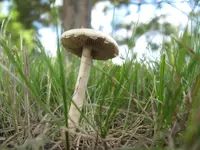
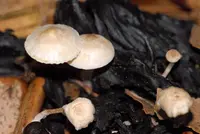
Frosty Funnel Care (Clitocybe phyllophila)

Frosty Funnel

About Frosty Funnel

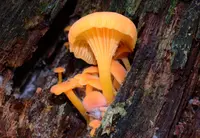
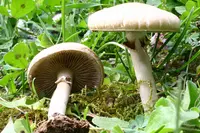
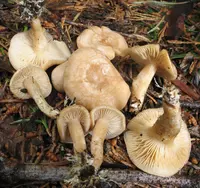
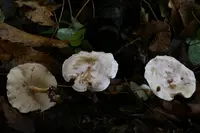
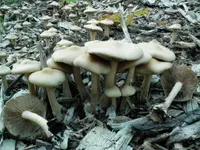
Frosty funnel, Clitocybe phyllophila, is not a plant but a gilled mushroom species often found in groups on soil or leaf litter. It forms pale, funnel-shaped caps with crowded white to cream gills and a slender stem, giving a frosted look in cool light. This fungus naturally occurs in woodlands, grassy areas, and sometimes garden edges across parts of Europe and North America. It can appear in rings or scattered clusters, especially in cool, moist seasons. Because it is a true fungus with specific symbiotic and soil conditions, it is not practical to cultivate indoors, and attempts to care for Frosty Funnel at home are usually unsuccessful.

Main Plant Requirements

Care Difficulty

Hard Care

Light Preference

Partial Shade

Water Requirements

Keep Soil Moist

Temperature Preference

Cool Climate

Hardiness Zone

Unknown

Soil Texture

Loamy, Silty, Organic-rich

Soil pH

Acidic (5.5–6.5), Slightly acidic (6.5–7.0)

Soil Drainage

Moist but well-drained

Fertilization

Minimal (feed rarely)

Get Personalized Care Plan

Scan your plant to receive care tips personalized for your specific plant

Available on iOS and Android

How to Care for the Frosty Funnel

This woodland fungus prefers cool, shaded conditions that mimic a forest floor.

  • Provide dappled or filtered light under trees or shrubs, avoiding direct midday sun that can dry the substrate quickly.
  • Allow brief early-morning or late-afternoon sun, but aim for 1–3 hours at most, with the rest of the day in shade or deep shade.
  • In summer, increase shade as the sun intensifies; in winter, Frosty Funnel can receive more open, indirect light where deciduous trees have dropped leaves.

This decomposer thrives in consistently moist, not waterlogged, leaf litter or rich organic soil.

  • Maintain evenly moist conditions in the upper 3–5 cm of substrate; let the surface just start to feel slightly dry before adding water or allowing rainfall to replenish moisture.
  • Use loose, well-drained, humus-rich material so excess water can run off, reducing risk of rot, mold overgrowth, or anaerobic (airless) pockets.
  • During hot, dry periods, increase monitoring for shrinking, leathery caps as a sign of low moisture, and reduce watering if standing water or sour odors appear.

This fungus fruits best in cool to mild conditions typical of autumn woodlands.

  • Aim for an active fruiting range around 50–65°F (10–18°C), when soil and leaf litter stay cool and evenly moist.
  • It tolerates down to about 32°F (0°C), but hard, prolonged frost below this can damage fruiting bodies, though underground mycelium often survives.
  • Temperatures above 75°F (24°C), especially with dry air, reduce fruiting; in warm spells, extra shade and moisture in the litter layer help moderate temperature swings for Clitocybe phyllophila.

This fungus prefers consistently moist air and substrate rather than controlled indoor humidity.

  • Target 60–80% ambient humidity in outdoor, sheltered, or woodland-style setups to mimic natural leaf-litter conditions.
  • Tolerates brief dips to 40–50% humidity if the substrate stays evenly moist and does not dry into a hard crust.
  • Watch for caps cracking, edges curling, or brittle gills as signs of low humidity stress in Frosty Funnel, then mist substrate and add leaf mulch.

This saprophytic fungus fruiting in gardens or culture beds needs loose, organic-rich, moisture-retentive yet free-draining substrate.

  • Use a deep layer of shredded hardwood leaves, well-rotted leaf mold, and fine wood chips as the primary fruiting substrate for Clitocybe phyllophila.
  • Ensure excess water can drain away so the substrate remains moist but never waterlogged, which encourages anaerobic (oxygen-poor) pockets and rot.
  • Aim for slightly acidic to neutral conditions, roughly pH 5.5–7.0, which supports stable fungal mycelium growth and nutrient breakdown.
  • Improve structure and aeration by mixing in coarse particles such as small bark pieces or chunky wood chips, and avoid heavy clay or compacted mineral soil.

This species is generally unsuitable for long-term ornamental container cultivation, as it is adapted to broad, natural leaf-litter beds rather than confined pots.

Clitocybe phyllophila is a wild fungus that does not need direct fertilization in cultivation.

  • Maintain a rich, well-rotted leaf litter or compost layer where the fungus is expected to fruit, mimicking a natural forest floor.
  • Avoid synthetic balanced NPK fertilizers on the fruiting area, as they can disturb soil organisms and fungal partners.
  • Replenish organic matter 1–2 times per year rather than feeding the fungus itself, focusing on soil health instead.

Clitocybe phyllophila does not require pruning in the horticultural sense.

This fungus is not suited to typical container culture, so focus on creating and adjusting outdoor growing sites instead of repotting.

  • Transplant only substrate, leaf litter, or soil containing the mycelium, not just the fruiting bodies.
  • Carry out moves in cool, moist seasons, such as early spring or fall, to limit drying and heat stress on mycelium.
  • Minimize disturbance by moving intact blocks of soil and litter and re-establishing them at the same depth and orientation.
  • Water gently after transplanting the substrate to settle particles and maintain even moisture while the fungus re-establishes.

Propagation of Clitocybe phyllophila is specialized and not recommended for typical home cultivation.

In climates where it naturally occurs, this fungus is cold hardy and needs no active winter care.

Care Tips

Substrate Pasteurization

Before inoculation, heat bulk substrate (such as hardwood sawdust or straw) to 150–160°F for 60–90 minutes to reduce competing fungi and bacteria without sterilizing beneficial microbes.

Controlled Fresh Air

Use brief, regular air exchanges in the fruiting space (for example, opening vents or running a small fan on a timer) to lower CO₂ levels and produce thicker, well-formed caps without drying the substrate.

Targeted Mist Technique

Mist the air above and around the block or bed rather than directly onto developing caps to maintain a moist boundary layer while reducing the risk of bacterial blotch and malformed fruiting bodies.

Clean Harvest Practice

Twist and lift whole clusters at maturity and immediately trim off substrate-covered stem bases with a clean knife so that the remaining surface stays smooth and less prone to contamination for potential second flushes.

Spore Load Management

If producing heavy flushes indoors, harvest just as gills fully open to limit spore release, which helps maintain cleaner equipment surfaces and more stable air filters during Frosty Funnel indoor care.

Common Pests and Diseases

Secondary bacterial decay

This disease affects the mushroom tissue after physical damage or aging, leading to soft, water-soaked, foul-smelling spots on caps and stems. Symptoms include rapid collapse of fruiting bodies, especially in warm, wet conditions.

Solution

Remove and discard all affected mushrooms promptly and avoid walking or raking directly through fruiting clusters to reduce wounding. Improve air circulation and reduce excess surface moisture (for example by thinning dense ground vegetation and avoiding overhead irrigation) to slow bacterial spread.

Competing saprotic fungi

This problem arises when other decomposer fungi colonize the same leaf litter or soil, outcompeting existing Frosty Funnel colonies and causing gradual disappearance of fruiting bodies. Symptoms include a shift in visible mushrooms to other species and a decline in the usual clusters over several seasons.

Solution

There is no direct curative treatment; management focuses on habitat stability. Minimize disturbance of the litter layer, avoid adding high-nutrient mulches or fungicidal products to the area, and maintain similar tree cover and leaf types so the existing fungal community remains relatively stable for growing Frosty Funnel.

Fungivorous fly larvae

These insects lay eggs on the caps, and the hatching larvae tunnel through the fruiting bodies, causing spongy, riddled, or collapsed mushrooms. This pest often becomes more noticeable during warm, humid weather when fruiting bodies persist for several days.

Solution

Harvest or remove mushrooms promptly once mature to limit time available for egg laying, and destroy heavily infested fruiting bodies away from the site. In managed garden settings, thin surrounding vegetation slightly to enhance airflow and speed drying, since faster-drying caps are less attractive to egg-laying flies.

Interesting Facts

Highly toxic funnel cap

This species contains the neurotoxin muscarine in significant amounts, which can cause serious poisoning even from small servings when misidentified as an edible mushroom.

Preference for leafy litter

It typically fruits on nutrient-rich leaf litter in deciduous woodlands and forest edges, where it helps break down fallen leaves and recycle organic matter into the soil.

Fruiting in dense troops

The mushrooms often appear in dense troops or partial rings, reflecting the outward growth of the underground mycelium as it exhausts nutrients in the center of the colony.

FAQs about Frosty Funnel

This mushroom is considered poisonous and must not be eaten. It contains muscarine, a toxin that can cause sweating, salivation, nausea, vomiting, diarrhea, and breathing difficulties. Always treat it as inedible and avoid consumption.

Grow Healthy Plants with Botan Care

Keep your plants happy and healthy with plant identification, disease detection, and easy care guidance.

Botan plant care app — identify plants on mobile

Explore More Plants